 Culture
Upper Tyrrhenian Cosentino · Riviera dei Cedri
Church of the Santissimo Crocifisso
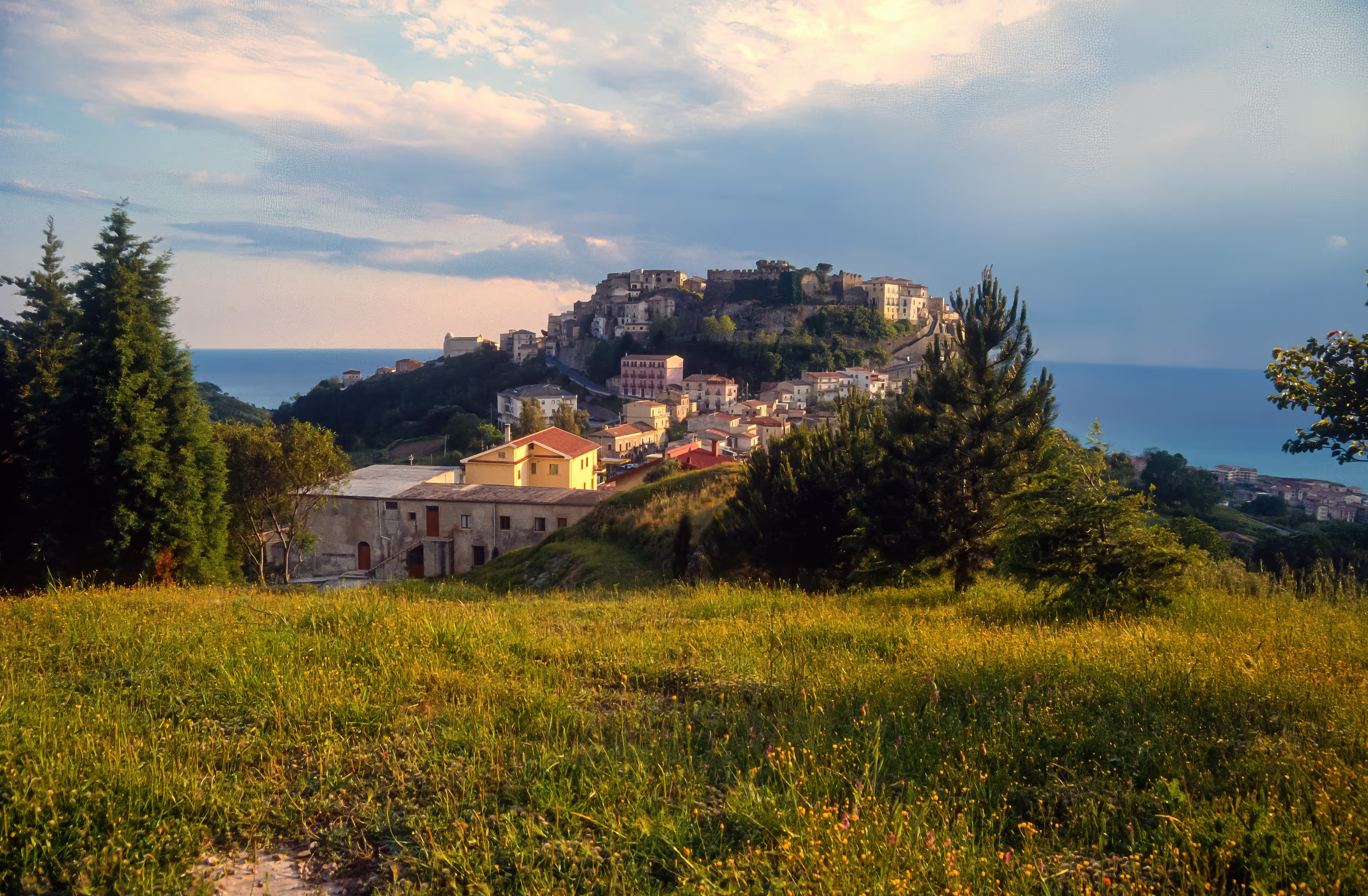
The small church of 1599 set against the village walls that houses the monumental wooden crucifix of 1711 conceived by Pietro Frasa.
The Church of the Santissimo Crocifisso stands at the edge of the village, against the old walls, on the slope down to the Soleo valley. It was begun in 1599 by the brethren of the Congregation of Santa Maria del Pianto, with the townspeople’s offerings, and appears under that name in documents until 1708; from 1722 it is the church of the Confraternity of the Santissimo Crocifisso. What changed the name was the sculpture that arrived on the high altar in 1711: a wooden crucifix of monumental size, carved and painted, which gave form to the ideal of the flagellant brethren, sharing in the sufferings of Christ.
The work was conceived by Pietro Frasa (Milan 1678 – Foggia 1711), a secular cleric and preacher close to the Dominicans, who had the carving done by a Neapolitan artist while keeping design, finishing and painting for himself. The Christ of Belvedere repeats, with slight variations, the one in Foggia cathedral: head fallen on the right shoulder, body twisted in a spiral, blood running from the wounds, with a dramatic realism that recalls Caravaggio’s Flagellation now at Capodimonte. It may be the crucifix Frasa intended for the mother church of Biccari, of which all trace had been lost; a link to the workshop of the Neapolitan sculptor Giacomo Colombo has also been proposed.
Frequently asked questions
- It was begun in 1599 by the Congregation of Santa Maria del Pianto; it took its present name after the wooden crucifix arrived in 1711, and is so called in documents from 1722.
- The dead Christ on the cross, head on the right shoulder and body twisted, in a dramatic realism inspired by Caravaggio; it replicates the crucifix of Foggia cathedral.
When was the Church of the Santissimo Crocifisso built?
What does the crucifix of Belvedere Marittimo depict?
More places in Belvedere Marittimo
-
 Culture
 Capo Tirone and the Bruttian tombs
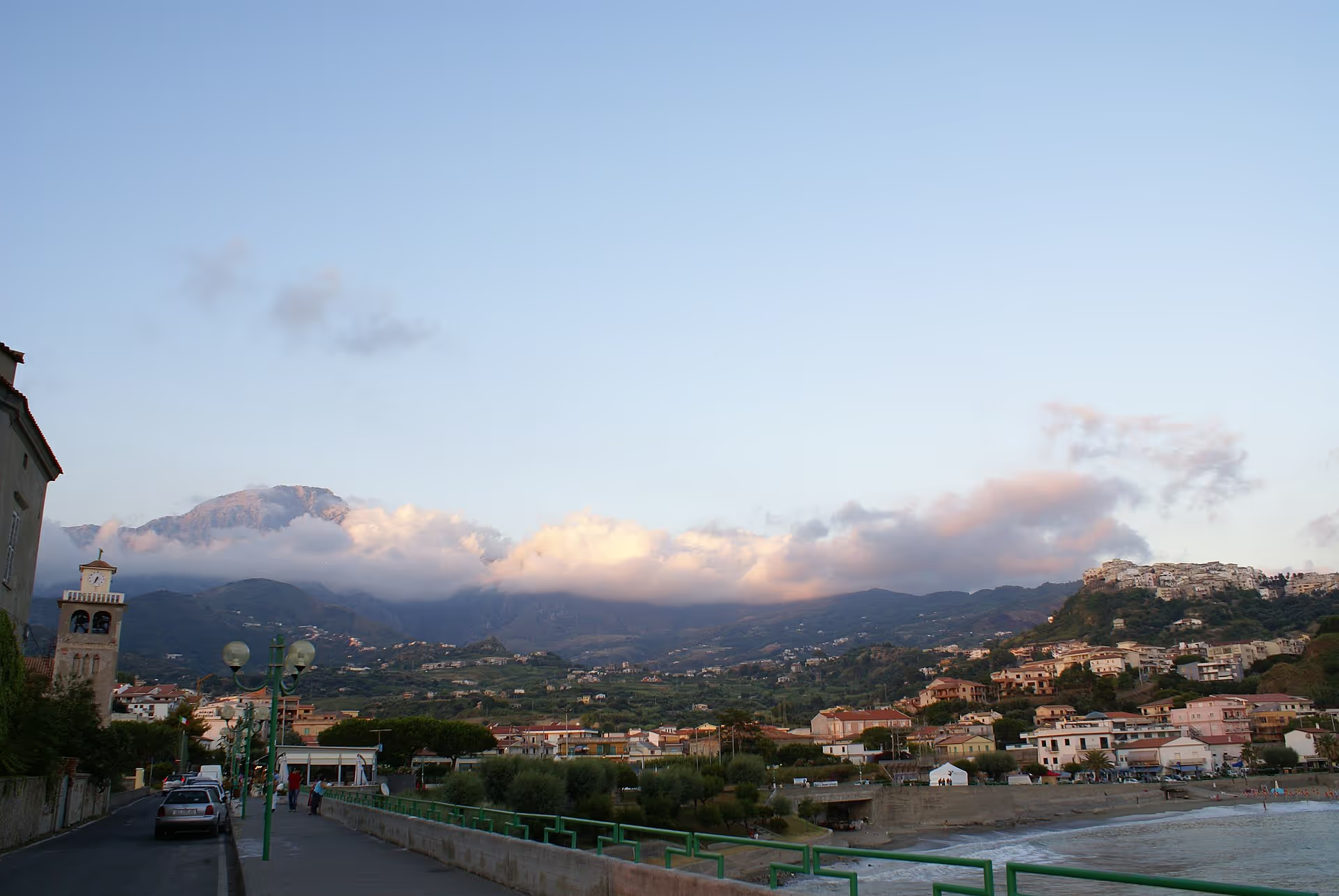
The headland of Belvedere’s Marina where in 1956 Bruttian burials of the 4th–3rd century BC came to light and, on the Cotura plain, a Roman villa d’otium.
-
 Culture
 Castle of Belvedere Marittimo
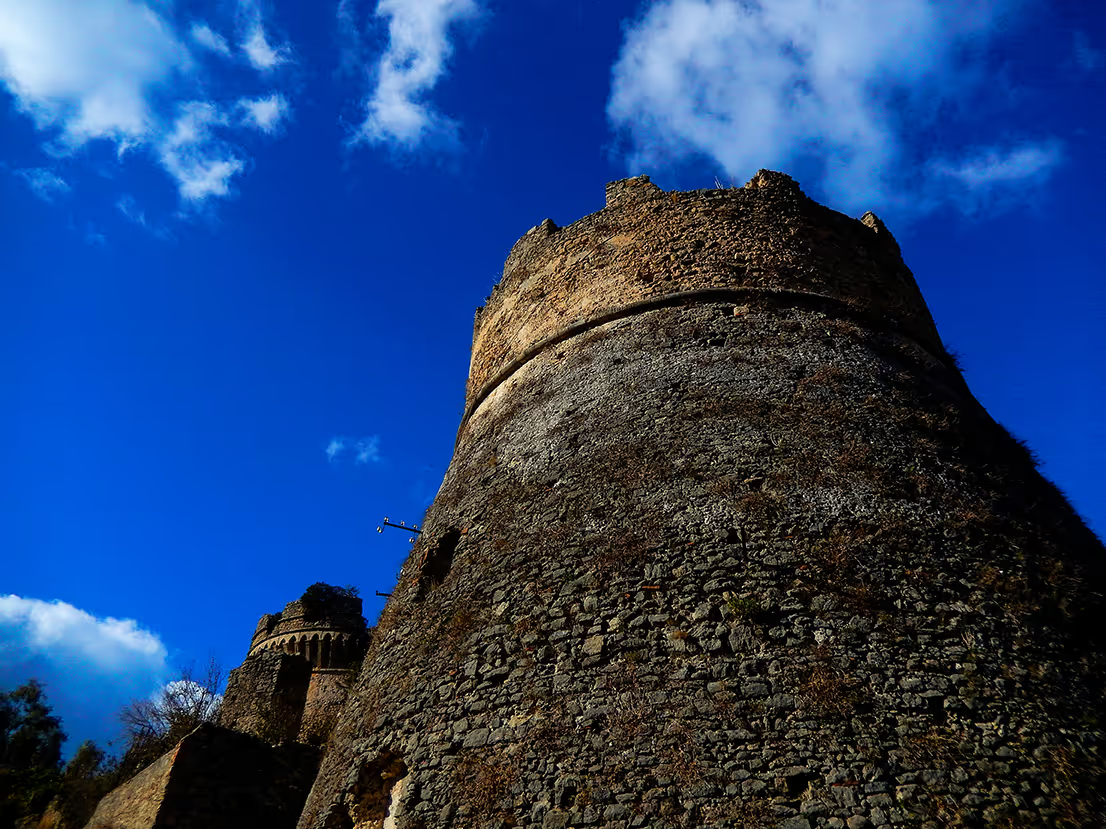
The Sanseverino fortress dominating the medieval village: Norman core, Angevin residence and Renaissance forms of 1490, with the coat of arms of Ferrante of Aragon on the gate.
- Old town
Medieval village of Belvedere Marittimo
The upper town on its 150-metre spur: the Chiesetta del Rosario with its 1091 portal, the birthplace of Saint Daniele Fasanella, the walls and the view over the Riviera dei Cedri.
Itineraries through here
-
 4 daysGrand tour
Grand Tour of the Riviera dei Cedri
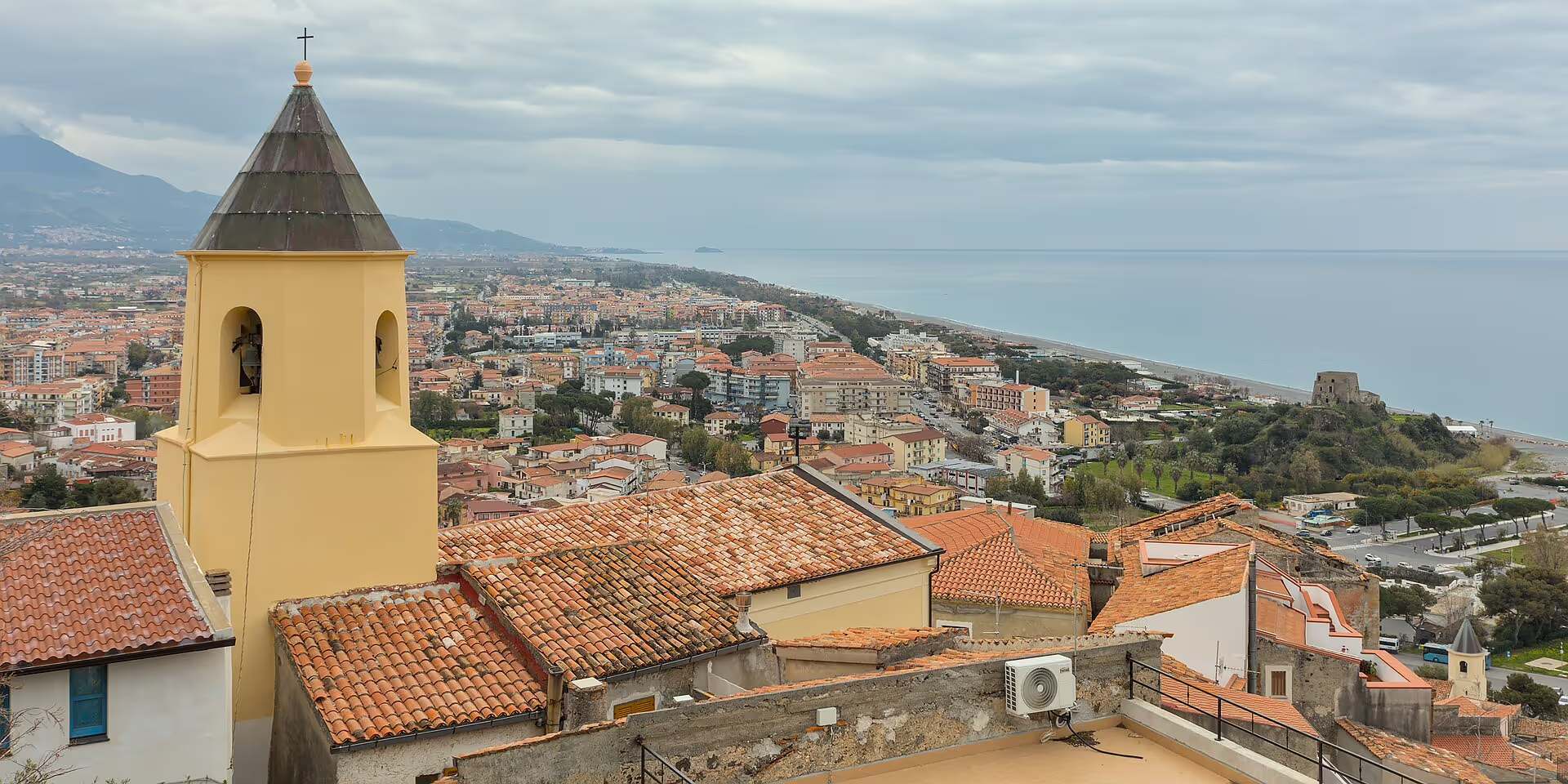
Four days from north to south along the Upper Tyrrhenian Cosentino coast: islands, Norman towns, murals and sanctuaries.
11 stops8 townsMay–OctoberSee the stops -
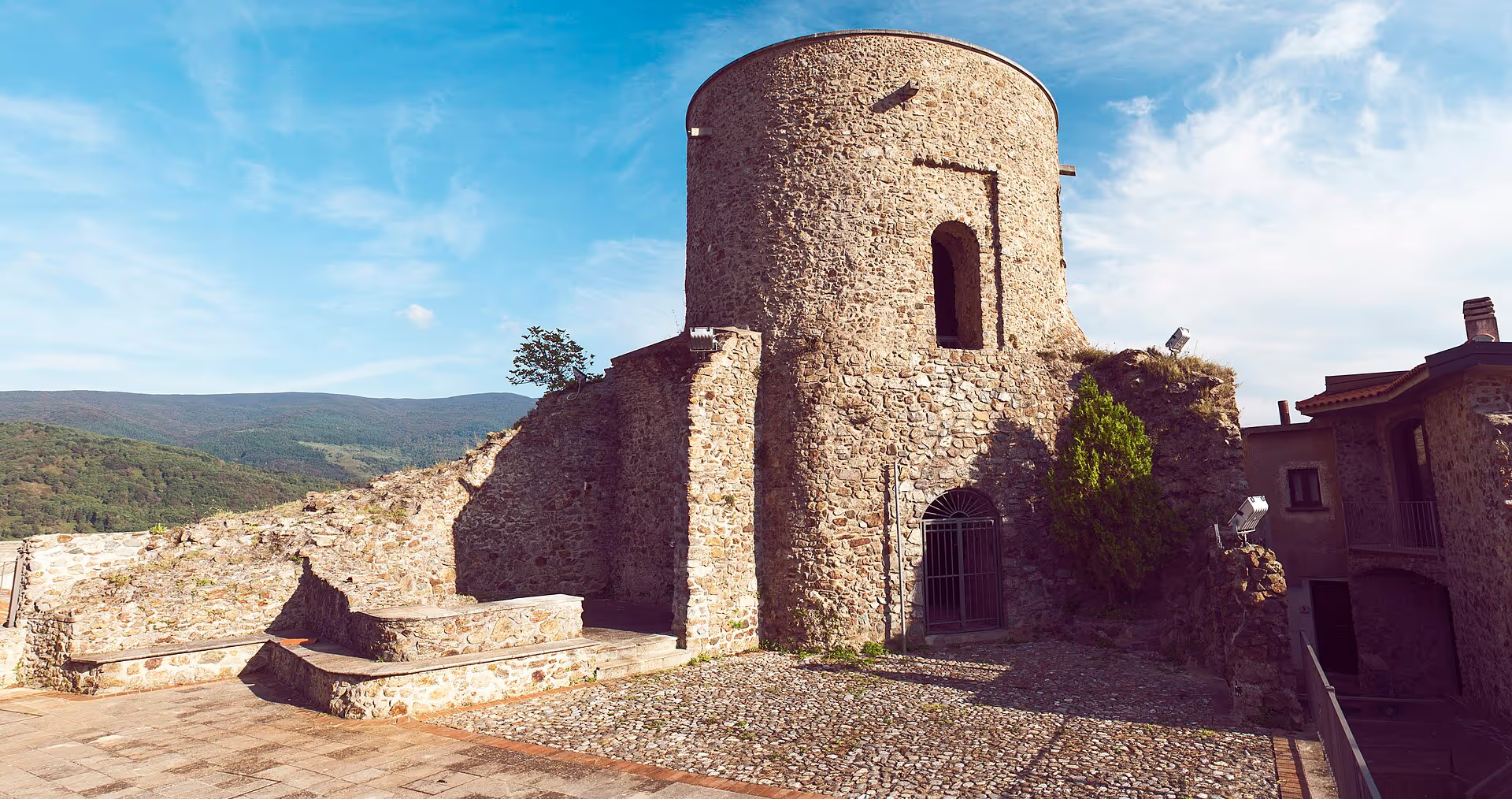 3 daysTowns & history
Towns & history
Three days among old towns, castles and the only Occitan language island in southern Italy.
6 stops5 townsAll year roundSee the stops -
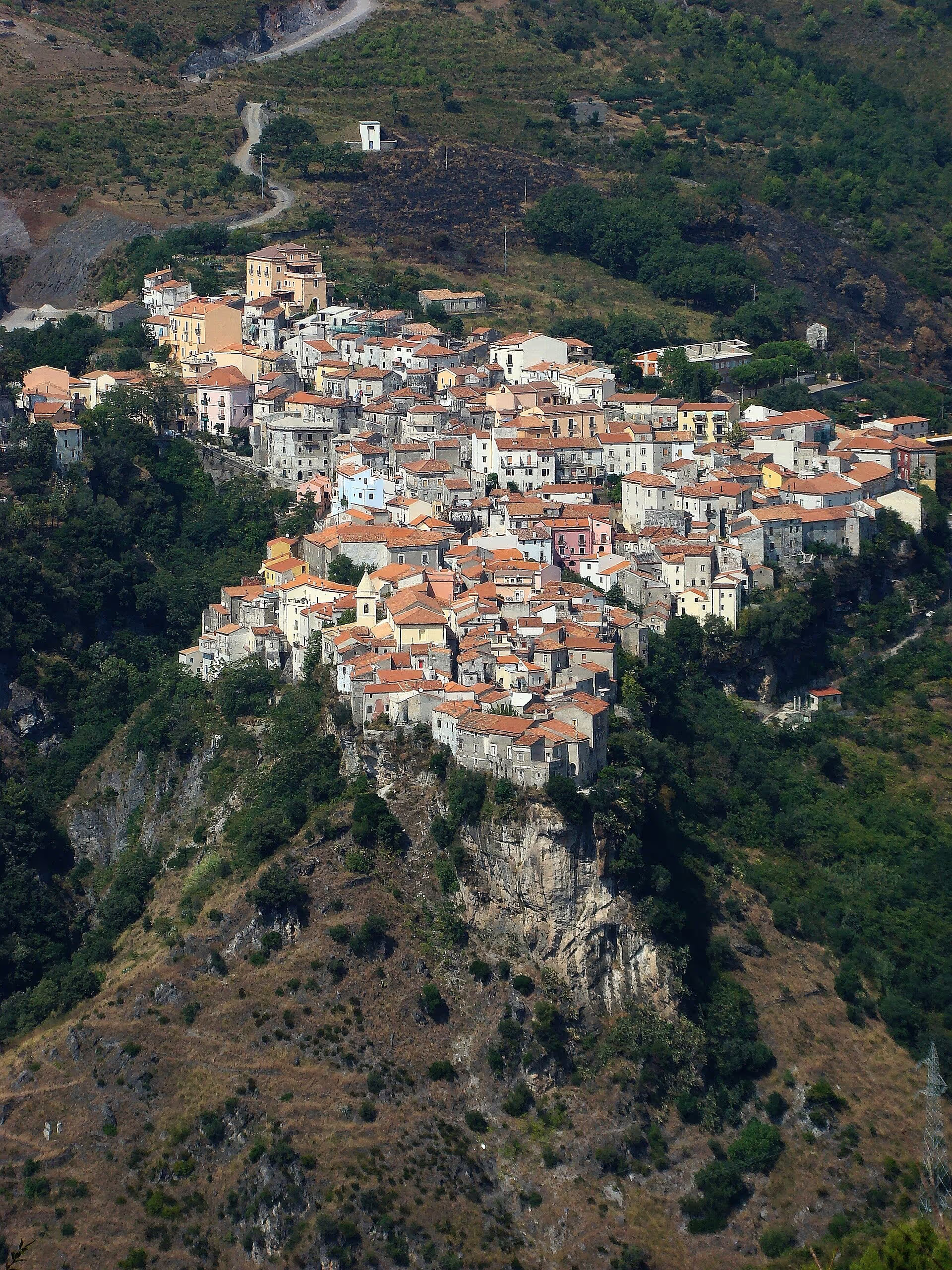 4 daysTowns & history
Four days among old towns
Four days among castles, Norman towns, sacred art and the Occitan language island.
8 stops5 townsAll year roundSee the stops -
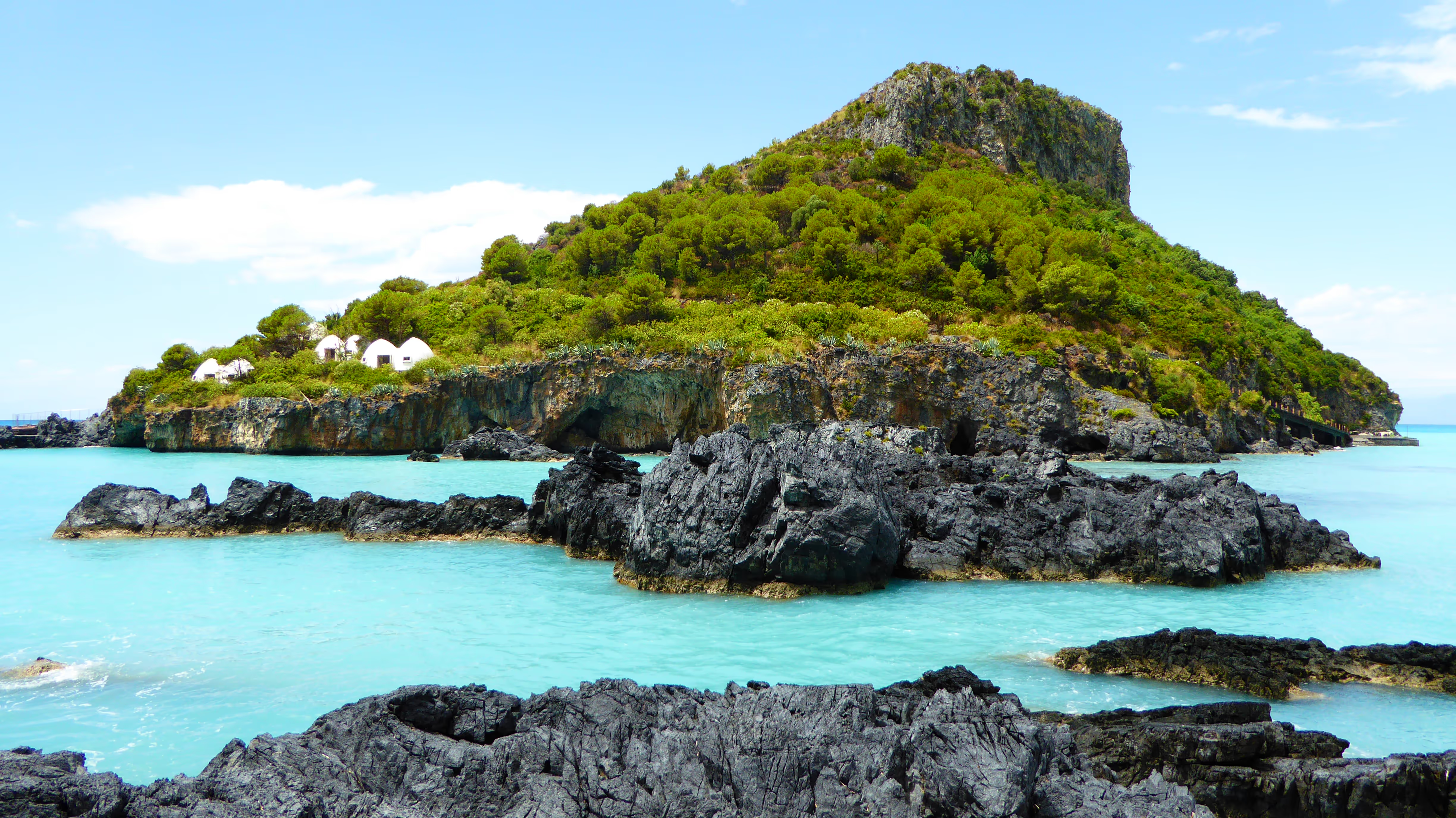 3 daysFamily
Family on the coast
Three easy days for families: beaches, murals and a boat trip to the island of Dino.
6 stops3 townsJune–SeptemberSee the stops