 Culture
Upper Tyrrhenian Cosentino · Riviera dei Cedri
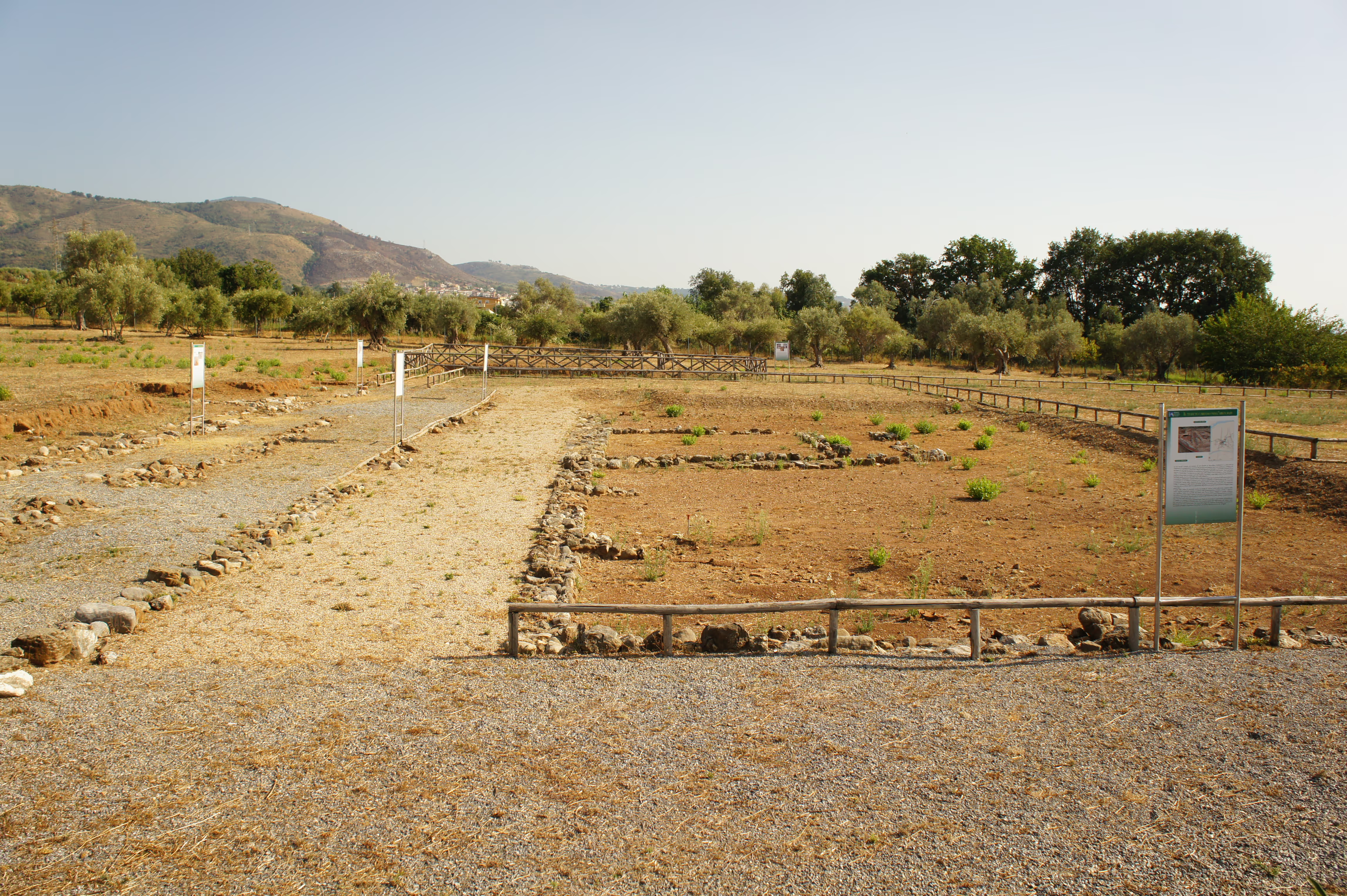
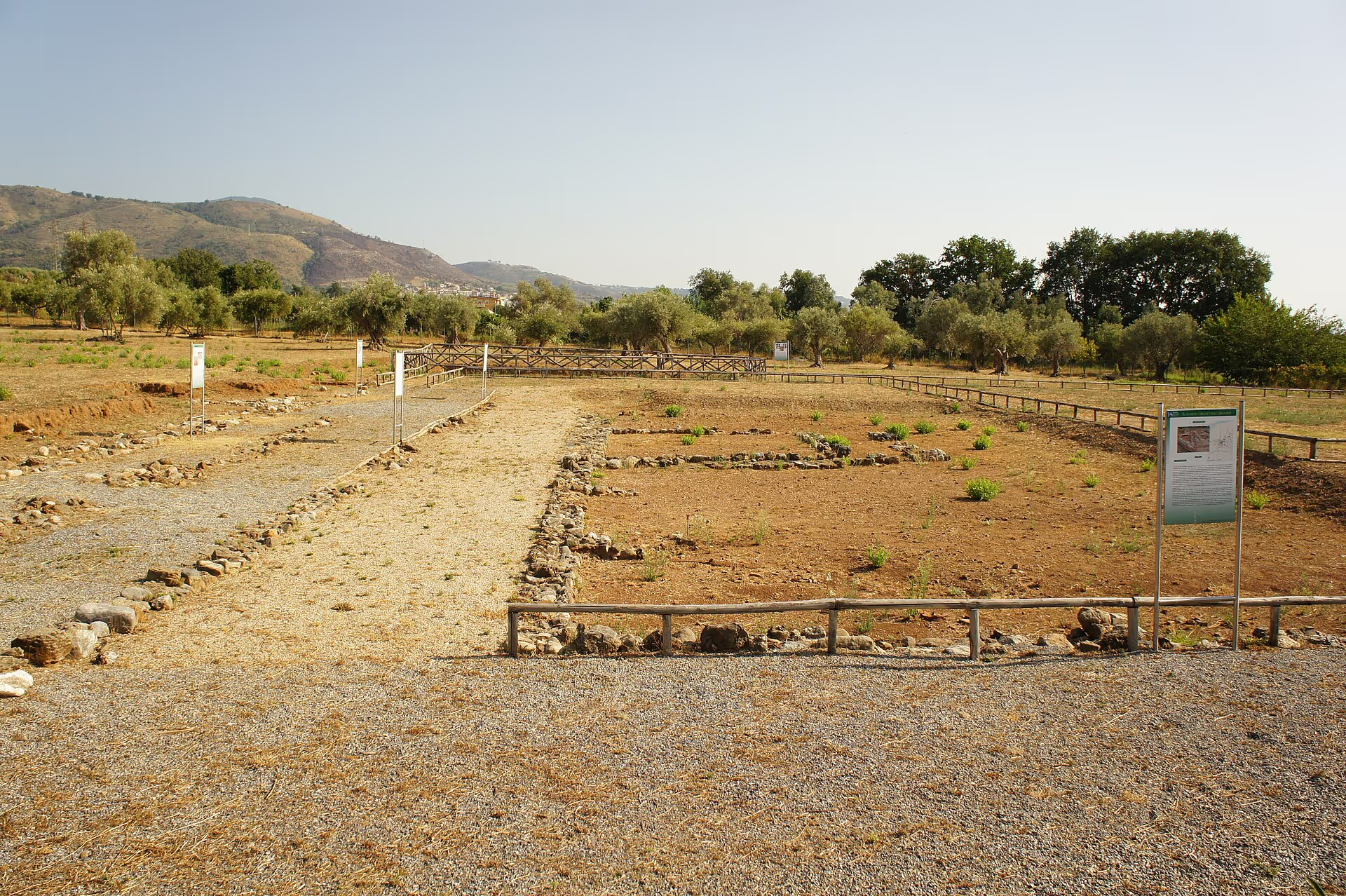
Archaeological area of Laos
The remains of the Magna Graecia city founded by refugees from Sybaris, on the hill above Marcellina: “as large as Pompeii” according to Strabo.
Laos was born of a catastrophe. In 510 BC Sybaris, the richest city of Magna Graecia, was destroyed by Croton; the survivors crossed Calabria and founded a new city on the right bank of the Lao river, whose coins with the bull looking back repeated the symbol of the mother city. Strabo described it as “as large as Pompeii”; by Pliny’s time it had already vanished. Near the springs of the same river stood Ursentum, today’s Orsomarso.
The remains of the city lie on the hill above the hamlet of Marcellina, which the sources call Palecastro (“old castle” in Greek) or San Bartolo. The modern settlement grew right on top of the ancient city, which makes excavation difficult; nearby, finds of the 3rd–4th century BC have surfaced and, along the old SS18, the remains of a large dwelling of uncertain date. The material recovered can be seen in the Scalea antiquarium and at the National Museum of Magna Graecia in Reggio Calabria. According to the tradition taken up at San Nicola Arcella and Scalea, the hilltop villages of the coast also descend from Laos.
Frequently asked questions
- Refugees from Sybaris, destroyed by Croton in 510 BC, on the right bank of the Lao river; its coins with the bull looking back recall its Sybarite origin.
- In the Scalea antiquarium and at the National Museum of Magna Graecia in Reggio Calabria; the site is on the hill above Marcellina, a hamlet of Santa Maria del Cedro.
Who founded Laos?
Where are the finds from Laos?
More places in Santa Maria del Cedro
-
 Culture
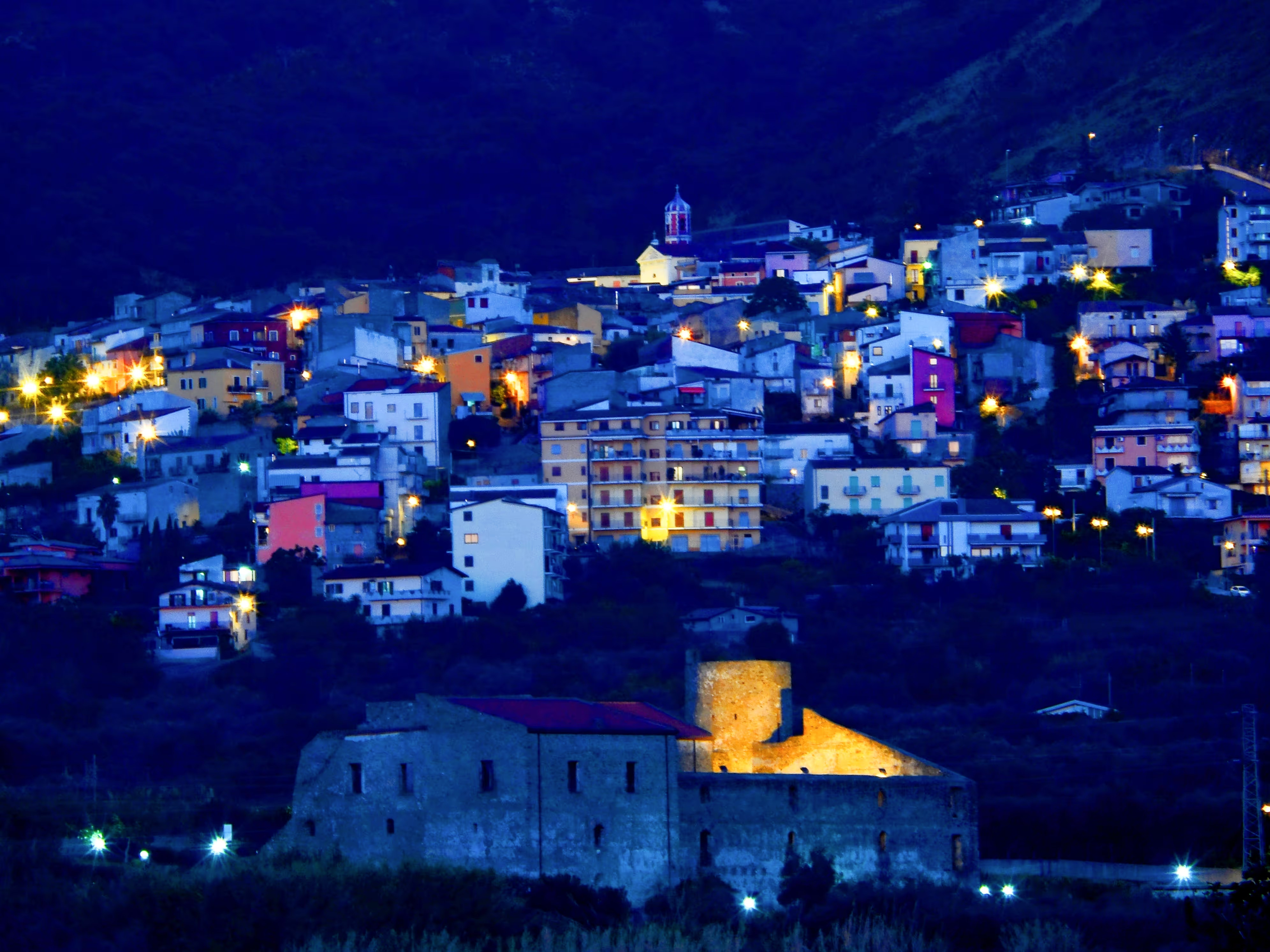
 Abatemarco and the Castle of San Michele
The medieval settlement destroyed by a flood in the 17th century, with the ruins of the castle and the Norman aqueduct: Santa Maria del Cedro was born from here.
-
 Culture
 Citron Museum and Carcere dell’Impresa
The museum devoted to the Riviera’s citron, in the Sollazzo family’s 16th-century workshop: the citrus of candied fruit and of the Sukkot etrog.
Itineraries through here
-
 4 daysGrand tour
Grand Tour of the Riviera dei Cedri
Four days from north to south along the Upper Tyrrhenian Cosentino coast: islands, Norman towns, murals and sanctuaries.
11 stops8 townsMay–OctoberSee the stops - 2 daysGrand tour
Flavours of the Riviera
Two days among citron, chilli pepper and harbour: the typical products of the Upper Tyrrhenian Cosentino coast.
4 stops3 townsAll year roundSee the stops -
 3 daysGrand tour
Flavours and traditions
Three days among citron, old towns and harbour: a journey through the flavours of the Upper Tyrrhenian Cosentino coast.
6 stops4 townsAll year roundSee the stops