Upper Tyrrhenian Cosentino · Riviera dei Cedri
Santa Maria del Cedro
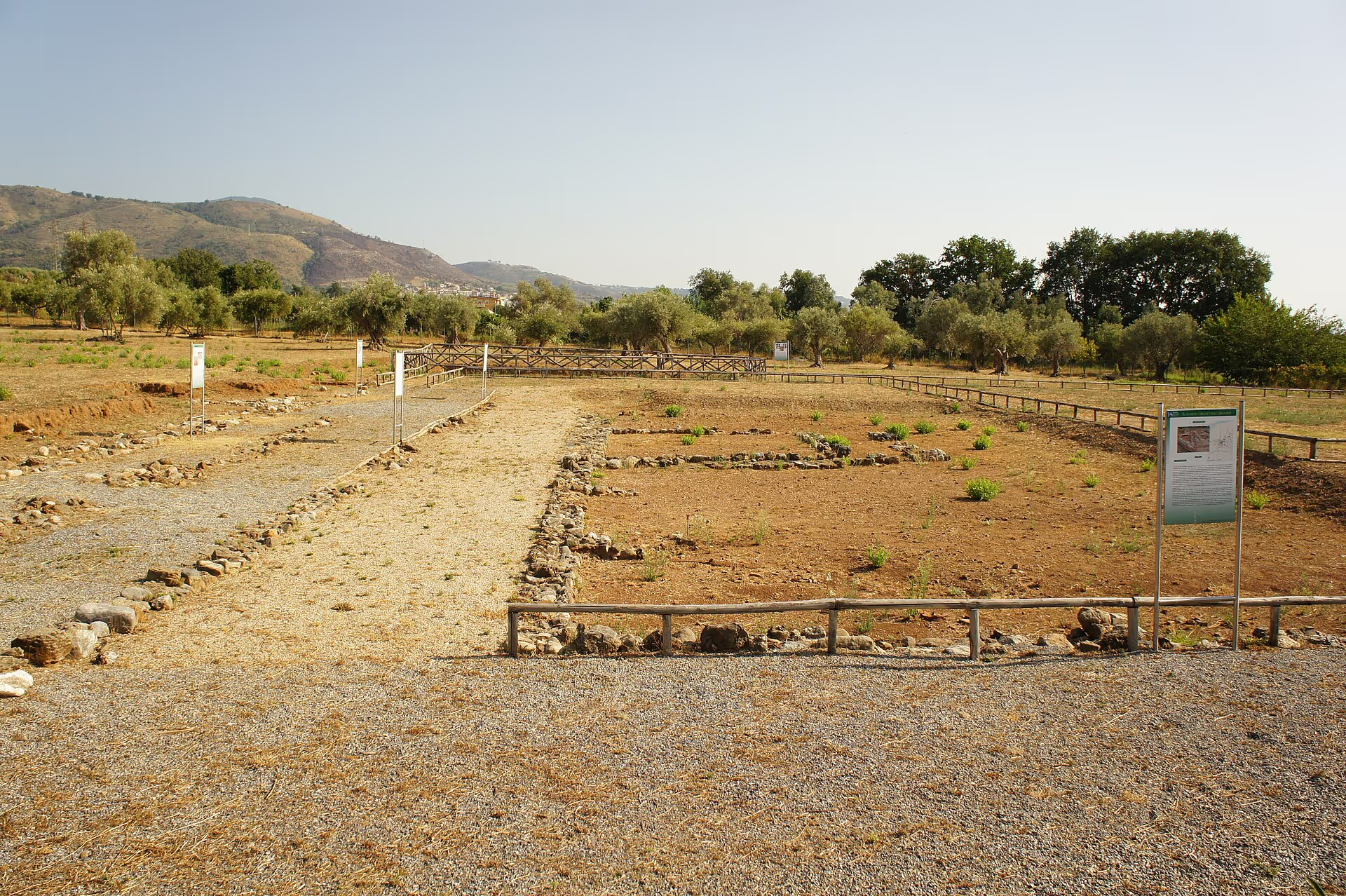
The town that gives the Riviera dei Cedri its name: the fertile plain between the Lao and the Abatemarco where the citron chosen by rabbis for Sukkot is grown, the remains of the Sybarite city of Laos at Marcellina and the Citron Museum in the Carcere dell’Impresa.
Santa Maria del Cedro is a town of about 5,200 inhabitants in the province of Cosenza, between Scalea and Grisolia, where the Lao plain meets the Tyrrhenian Sea. It is the town that gave the whole coast its name: here, more than in any other municipality of the Upper Tyrrhenian Cosentino coast, the citron is grown, the ancient citrus that every summer brings rabbis to the Riviera in search of the perfect etrog. And it is here, in the hamlet of Marcellina, that Laos, the city founded by refugees from Sybaris, once stood.
Geography
The territory occupies the southern end of the Lao plain, a small but fertile lowland created by two perennial rivers, the Lao and the Abatemarco, which come down from the nearby Pollino National Park. Towards the sea opens a wide beach on the Tyrrhenian; behind it the hinterland rises gently towards the Apennines. The town has two cores: the main village, born around the old farmstead on today’s main square, and Marcellina, about 5 km towards Scalea, a community of some 2,700 inhabitants that grew over the ruins of Laos.
History
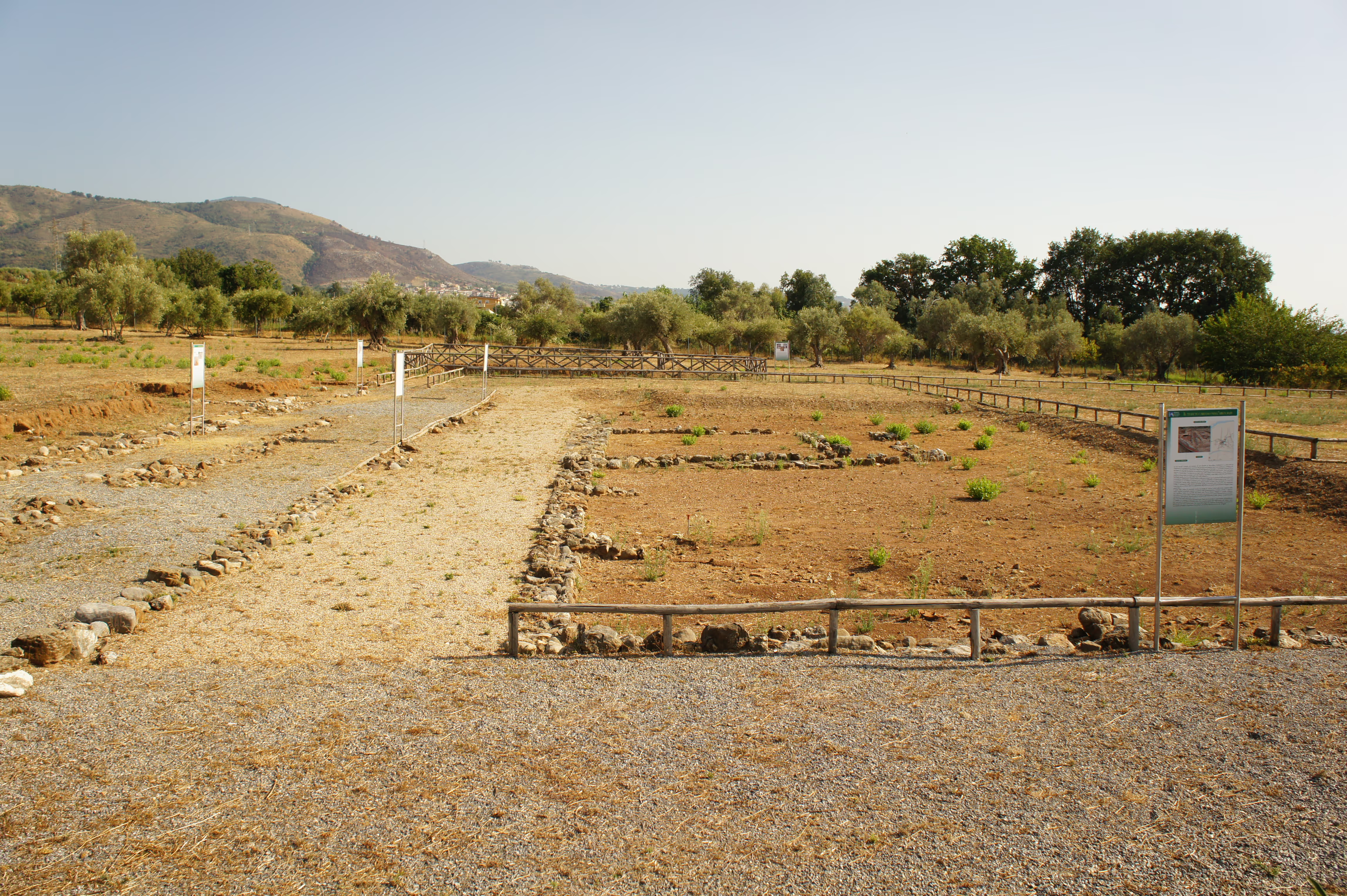
The oldest story is that of Laos. In 510 BC Sybaris was destroyed by Croton and its fleeing inhabitants founded a new city on the right bank of the Lao river: its coins with the bull turning its head repeat the Sybarite type, and Strabo records it as “as large as Pompeii”. By Pliny’s time it had already disappeared. Its remains lie on the hill above Marcellina, called Palecastro (“old castle” in Greek) or San Bartolo, and the finds are today in the Scalea antiquarium and the National Museum of Magna Graecia in Reggio Calabria; excavation is hampered by the modern settlement, which grew right on top of the ancient city. The territory keeps traces of almost every age: the early medieval settlement of Abatemarco, the ruins of the Castle of San Michele, a Norman aqueduct and the Torre Sant’Andrea, a link in the chain of coastal towers of the Riviera.
The present town was born in the 17th century, when a flood of the Abatemarco river destroyed the village of the same name and the displaced settled further down the valley, around a farmstead. A fief of the Brancati of Naples until Italian unification, it was long called Cipollina, a name that probably means “the place on this side of the Pollino”. It was a hamlet of Grisolia until 1948, when it became an independent municipality; it took the name Santa Maria in 1955 and its present name in 1968. The coat of arms of 1958 sums up the place’s identity: the face of the Madonna, a citron fruit and a Greek column, with the sea in the background. After 1970 the SS18 bypass and the doubling of the railway opened the plain to beach tourism.
What to see
The citron is the reason for a visit. The variety grown here, the “liscio Diamante” commonly called the Santa Maria del Cedro citron, is a large, fragrant fruit grown mainly for candying, and for Jews it is the most prized cultivar: every year rabbis come to the town to choose, tree by tree, the flawless fruits to be used as etrog in the rites of Sukkot, the Feast of Tabernacles. According to some interpretations of Jewish thought, the fruit of the tree of knowledge in Eden was a citron. In the kitchen the citrus goes into traditional and modern recipes, sweet and savoury, and the Consorzio del Cedro di Calabria, based in the town, looks after its protection and promotion.
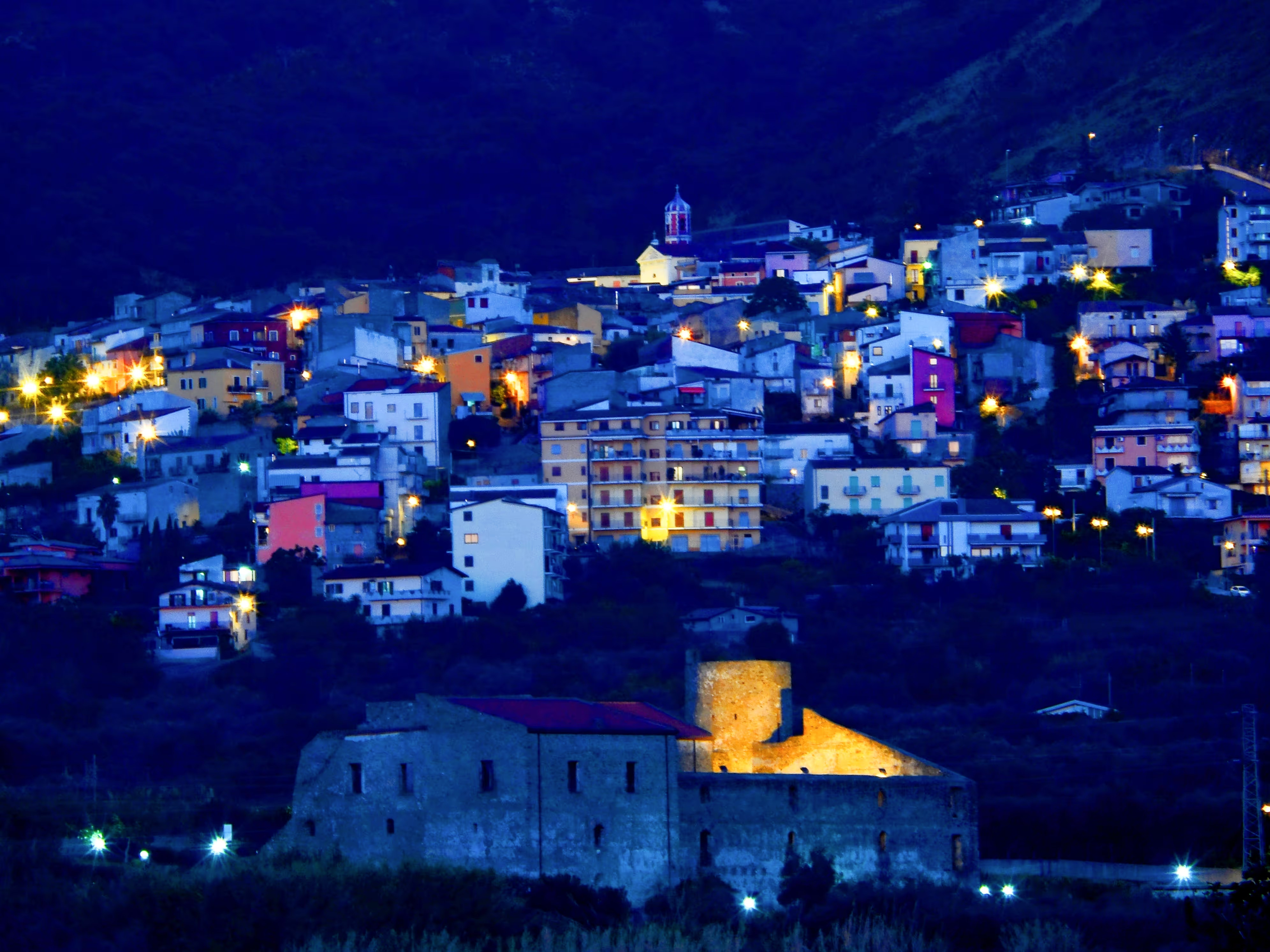
The story is told by the Citron Museum, housed in the Carcere dell’Impresa: a 15th–16th-century workshop long owned by the Sollazzo, a family of noble origins from the town, whose name comes from the Greek karteros, “strong, imposing”. At Marcellina you climb the hill of Laos, where the remains of the Sybarite city surface; nearby, finds of the 3rd–4th century BC have been made and, along the old SS18, the remains of a large ancient dwelling. The tour is completed by the Castle of San Michele with the Norman aqueduct, in the area of the medieval settlement of Abatemarco, and the Torre Sant’Andrea on the coast.
The Riviera dei Cedri
The name Riviera dei Cedri designates the northern stretch of Calabria’s Tyrrhenian coast, in the province of Cosenza: twenty-four municipalities from Tortora to Paola, the same ones ALTICOS covers. It owes its name to the widespread cultivation of the citron, today concentrated above all in Santa Maria del Cedro but also characteristic of Scalea, Orsomarso, Santa Domenica Talao, Buonvicino, Belvedere Marittimo and Cetraro; part of the territory falls within the Pollino National Park. The Giro d’Italia paid tribute to the town in 2005, when its second stage finished here.
Getting there
Santa Maria del Cedro lies on the SS18 state road and is served by two stations on the Tyrrhenian line: Grisolia-Santa Maria, in the territory of Grisolia, and Marcellina-Verbicaro-Orsomarso in the hamlet of Marcellina (also known as Verbicaro Scalo). By car from the A2 “del Mediterraneo”: from the north, exit Lagonegro nord, then SS585 and SS18; from the south, exit Falerna and SS18 northbound. Secondary roads link it to Scalea, Grisolia and Verbicaro. The nearest airport is Lamezia Terme.
Places
What to see around here.
-
 Culture
 Archaeological area of Laos
The remains of the Magna Graecia city founded by refugees from Sybaris, on the hill above Marcellina: “as large as Pompeii” according to Strabo.
- Culture
Abatemarco and the Castle of San Michele
The medieval settlement destroyed by a flood in the 17th century, with the ruins of the castle and the Norman aqueduct: Santa Maria del Cedro was born from here.
-
 Culture
 Citron Museum and Carcere dell’Impresa
The museum devoted to the Riviera’s citron, in the Sollazzo family’s 16th-century workshop: the citrus of candied fruit and of the Sukkot etrog.
Nearby towns
Keep exploring the Upper Tyrrhenian Cosentino coast from here.
-
Maierà
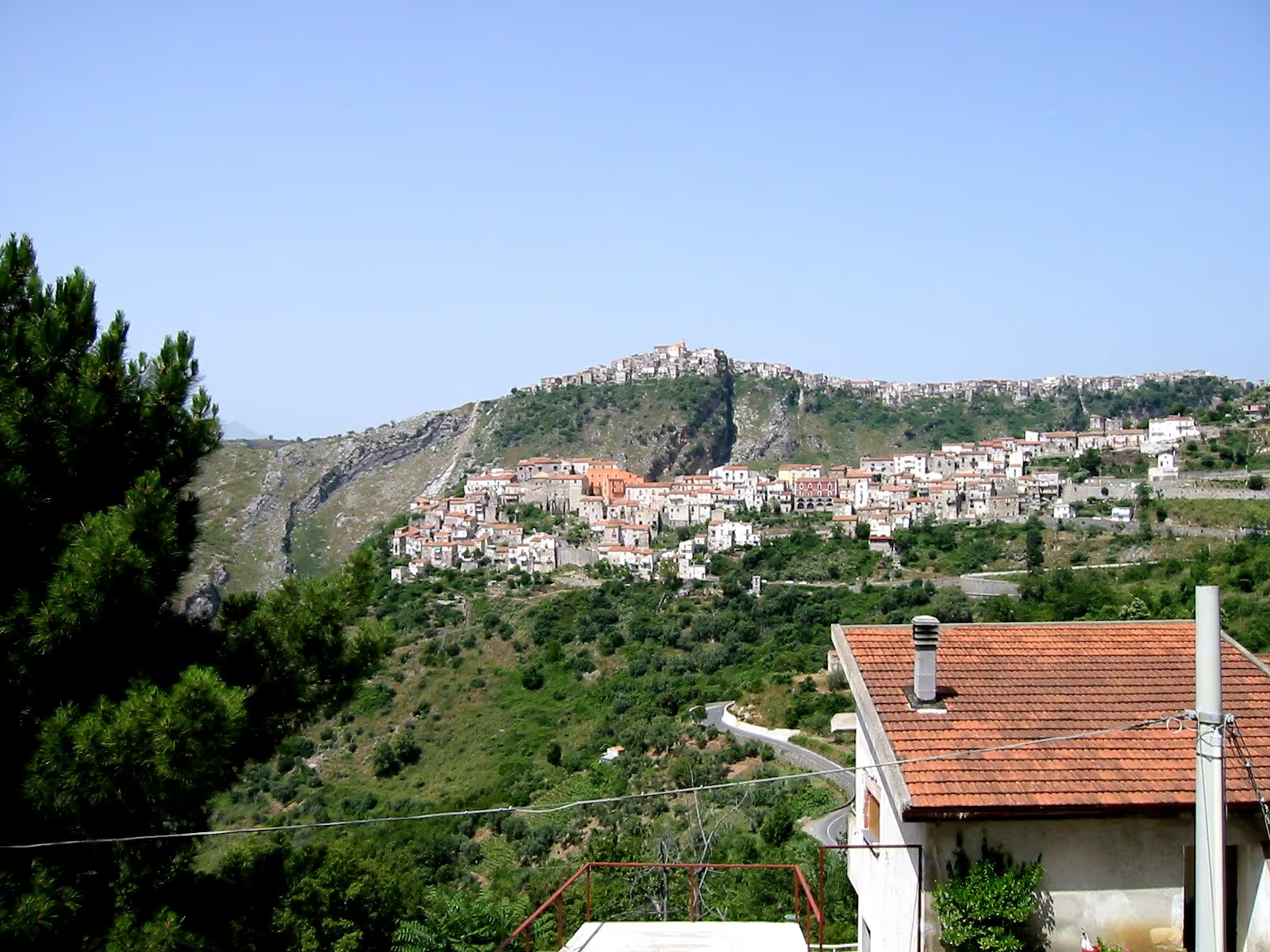
The village at 360 metres above the Vaccuta stream valley, separated from Grisolia by a ravine: in the Pollino park, behind Diamante, Maierà combines contemporary artworks in its lanes, the Chilli Pepper Museum and its four churches.
-
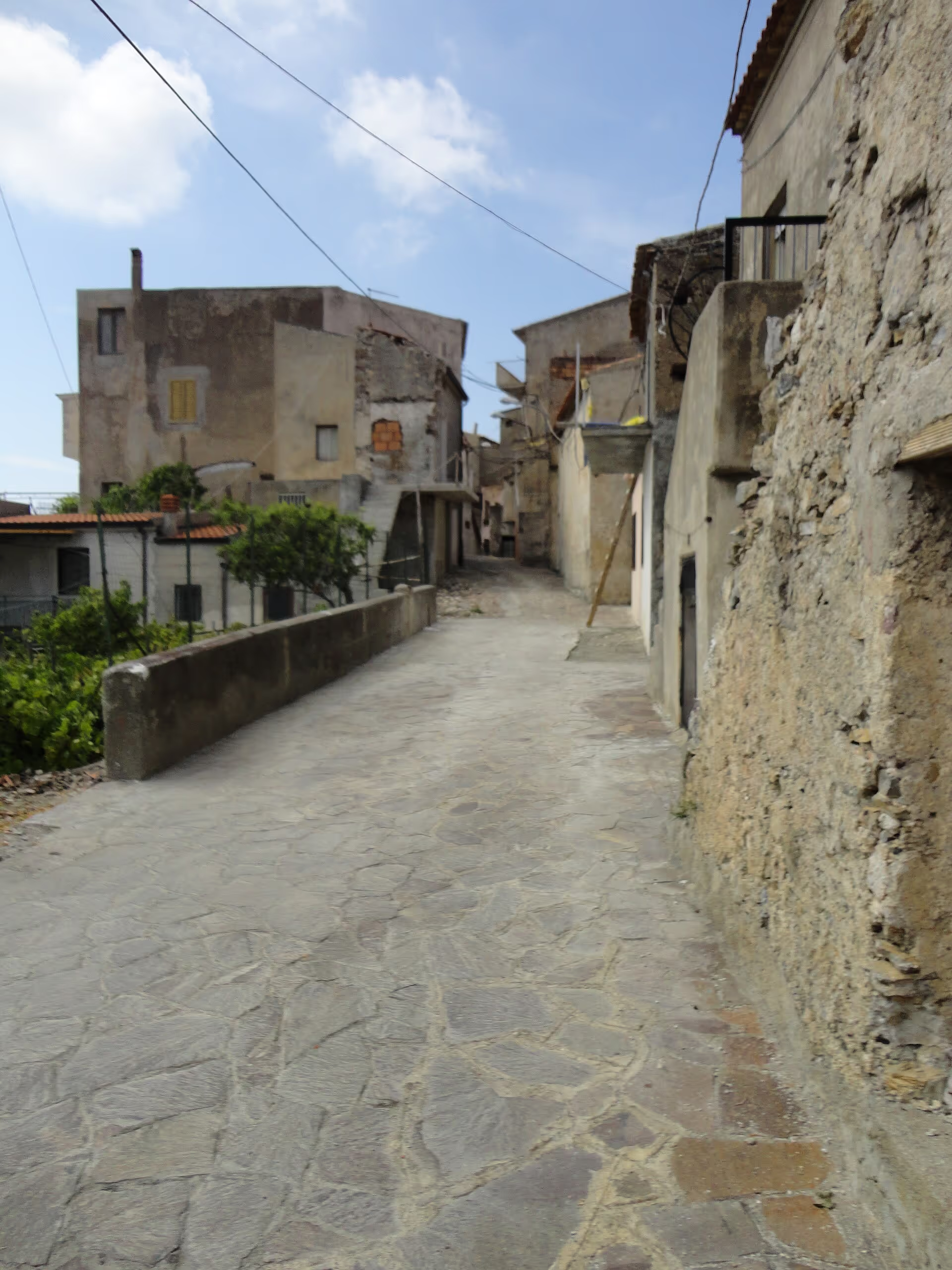
Grisolia
The village at 465 metres that looks out over the whole Riviera dei Cedri: from the sea at Acchio to the slopes of Monte La Mula, Grisolia combines covered stone alleys, the Palazzo Ducale, the ethnographic museum and the San Rocco procession with the caggie carried on the head.
-
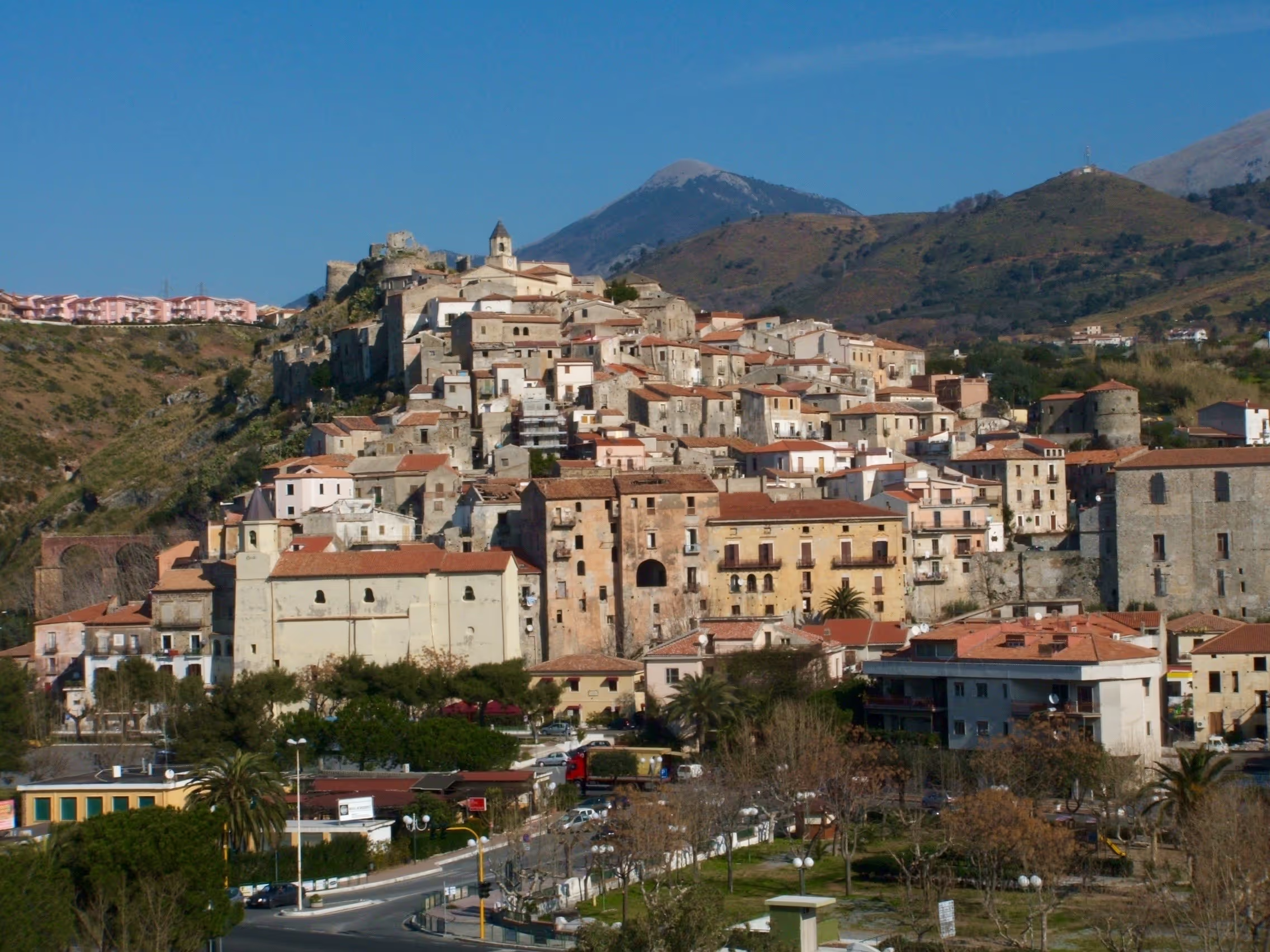
Scalea
The town of the “landing” on the Riviera dei Cedri: a terraced old town of covered passages, churches born in Byzantine times and watchtowers, the Torre Talao with caves inhabited in the Palaeolithic, and the feast of the Madonna del Carmine with the cinte carried on the head.
-
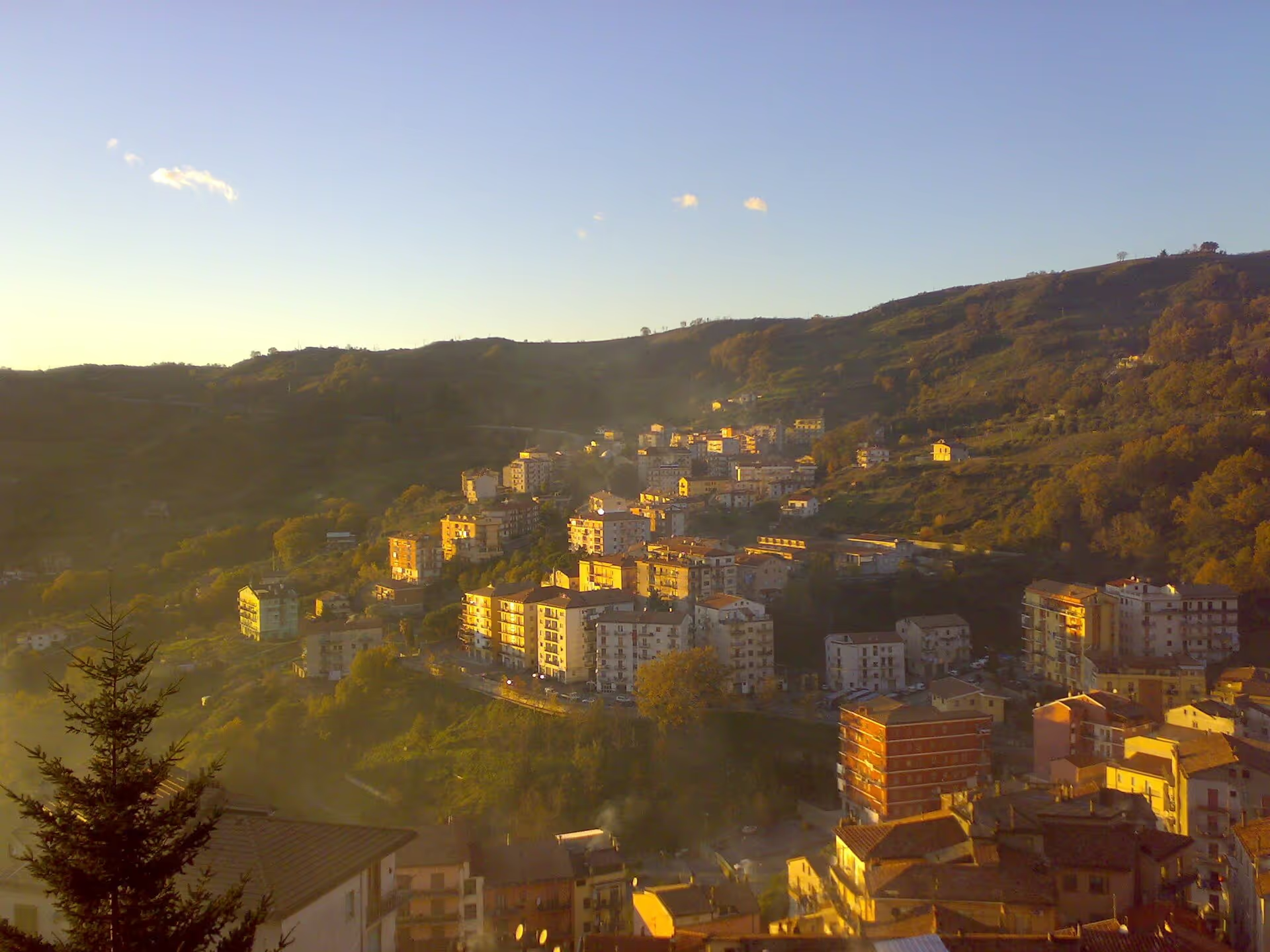
Verbicaro
The village of the Battenti: at 428 metres in the Pollino park, behind the Riviera dei Cedri, Verbicaro keeps the night rite of Good Friday, the Zigni torchlight procession for the Madonna delle Grazie and a village of portals, alleys and seven churches, already described in 1797 by Lorenzo Giustiniani.
-
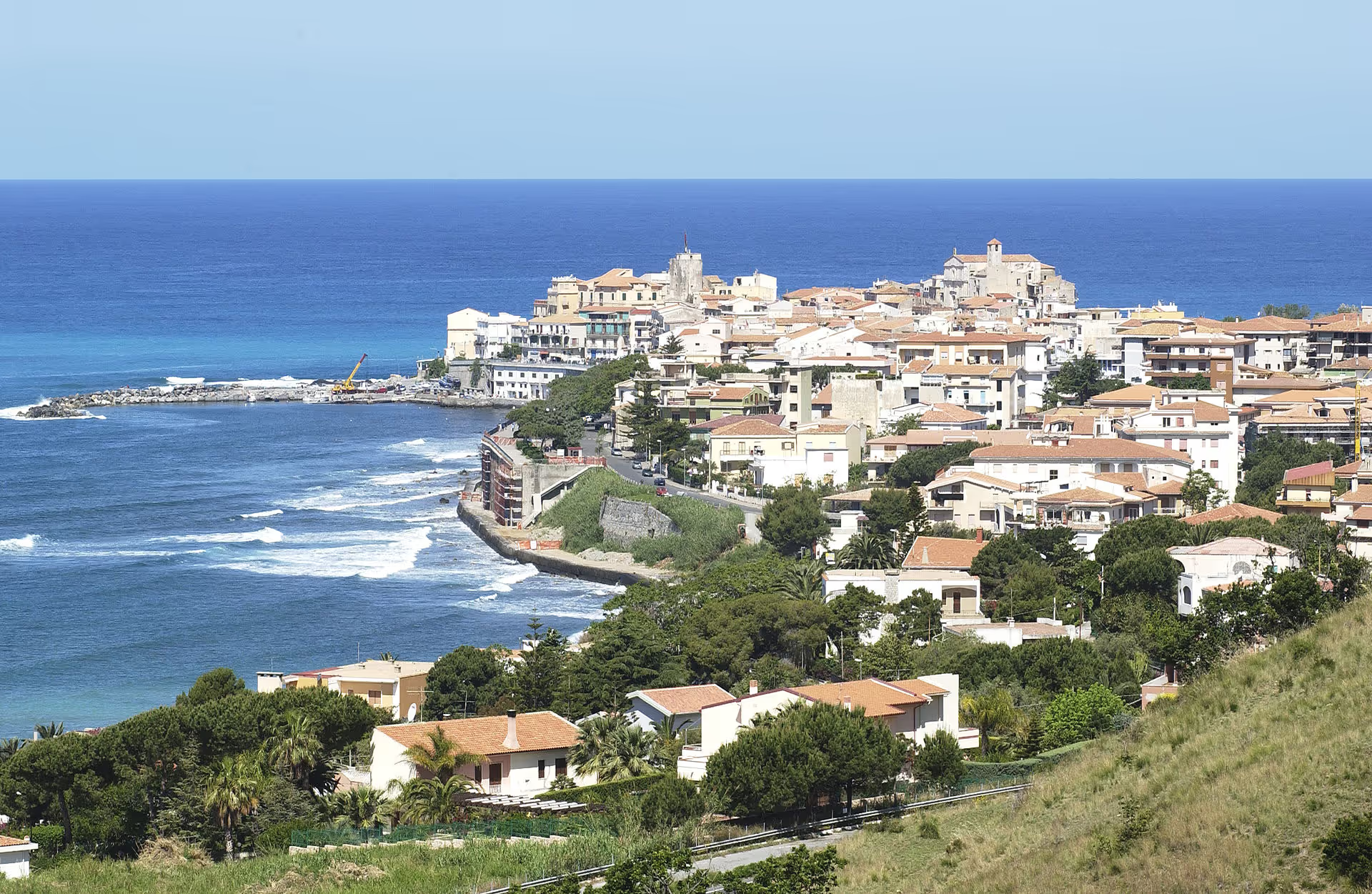
Diamante
The “town of murals” and chilli-pepper capital at the heart of the Riviera dei Cedri: eight kilometres of beaches, the island of Cirella and a fishing village turned open-air art gallery.
-
Orsomarso
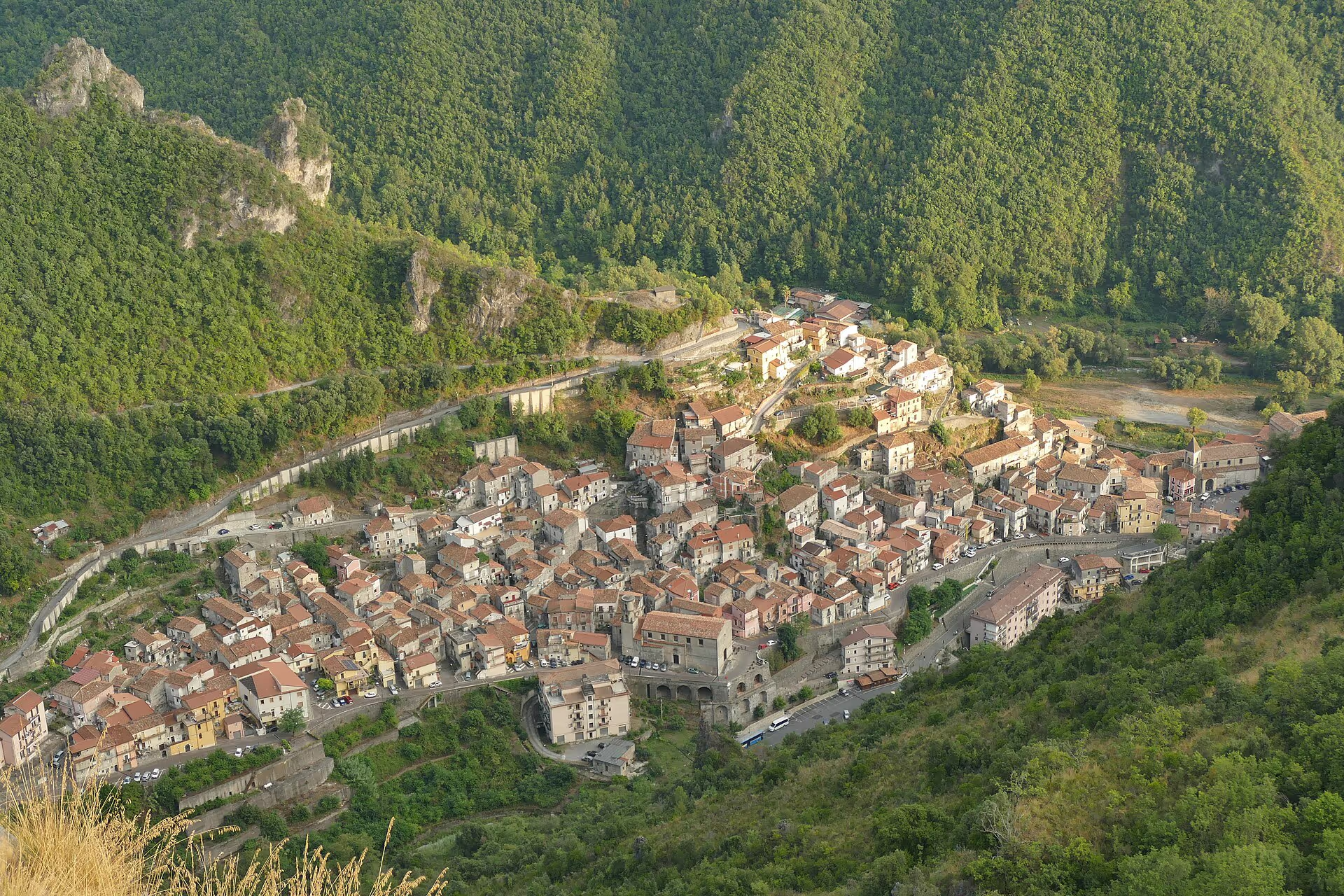
The village that gives its name to a mountain range: Orsomarso, in the Pollino park, keeps the Argentino valley with the last native roe deer and the Bosnian pine, the 10th-century Basilian chapel of Santa Maria di Mércuri and a village that grew around the fortress of Ursus Martius.
Itineraries through here
-
 4 daysGrand tour
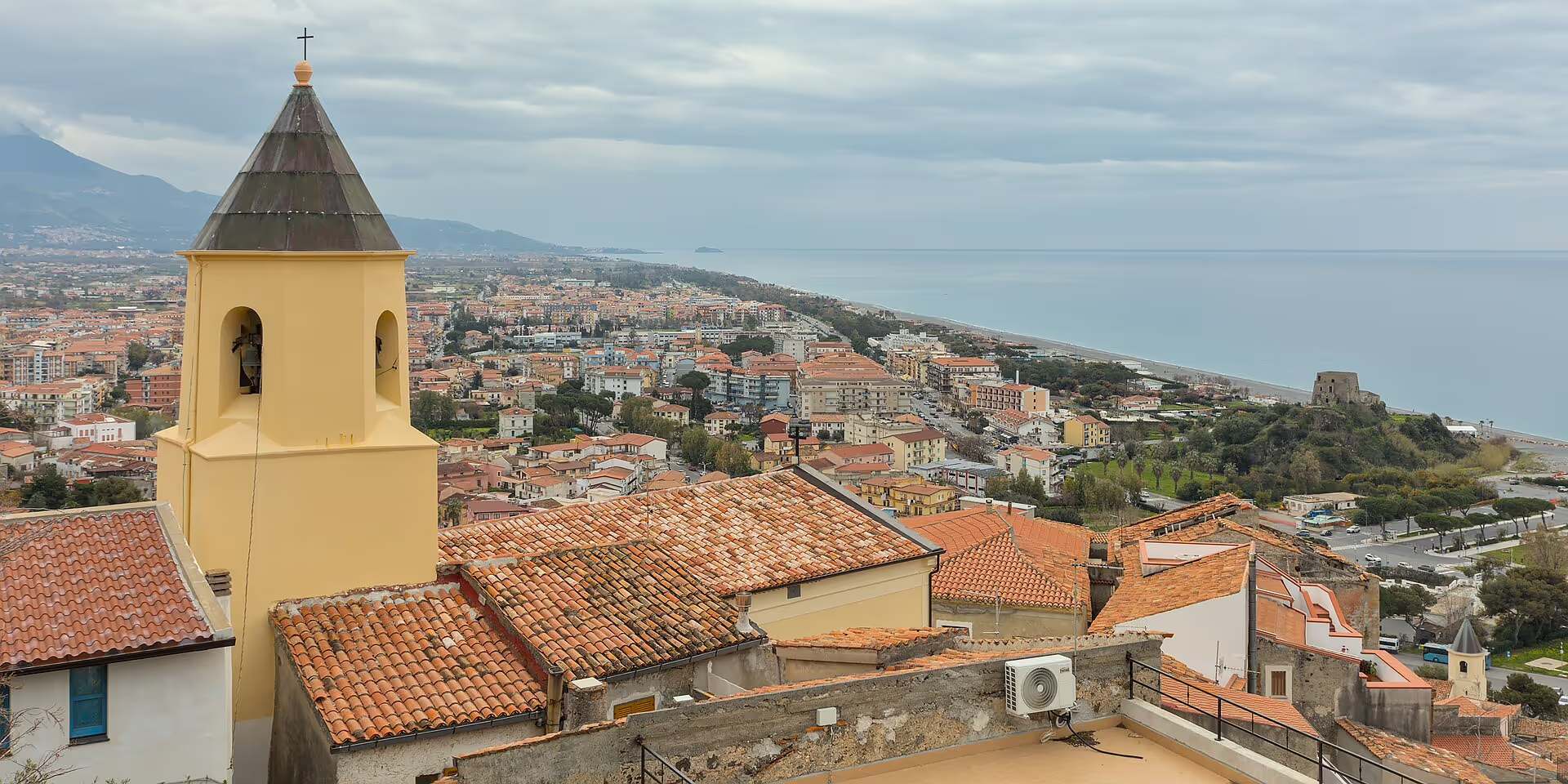
Grand Tour of the Riviera dei Cedri
Four days from north to south along the Upper Tyrrhenian Cosentino coast: islands, Norman towns, murals and sanctuaries.
11 stops8 townsMay–OctoberSee the stops - 2 daysGrand tour
Flavours of the Riviera
Two days among citron, chilli pepper and harbour: the typical products of the Upper Tyrrhenian Cosentino coast.
4 stops3 townsAll year roundSee the stops -
 3 daysGrand tour
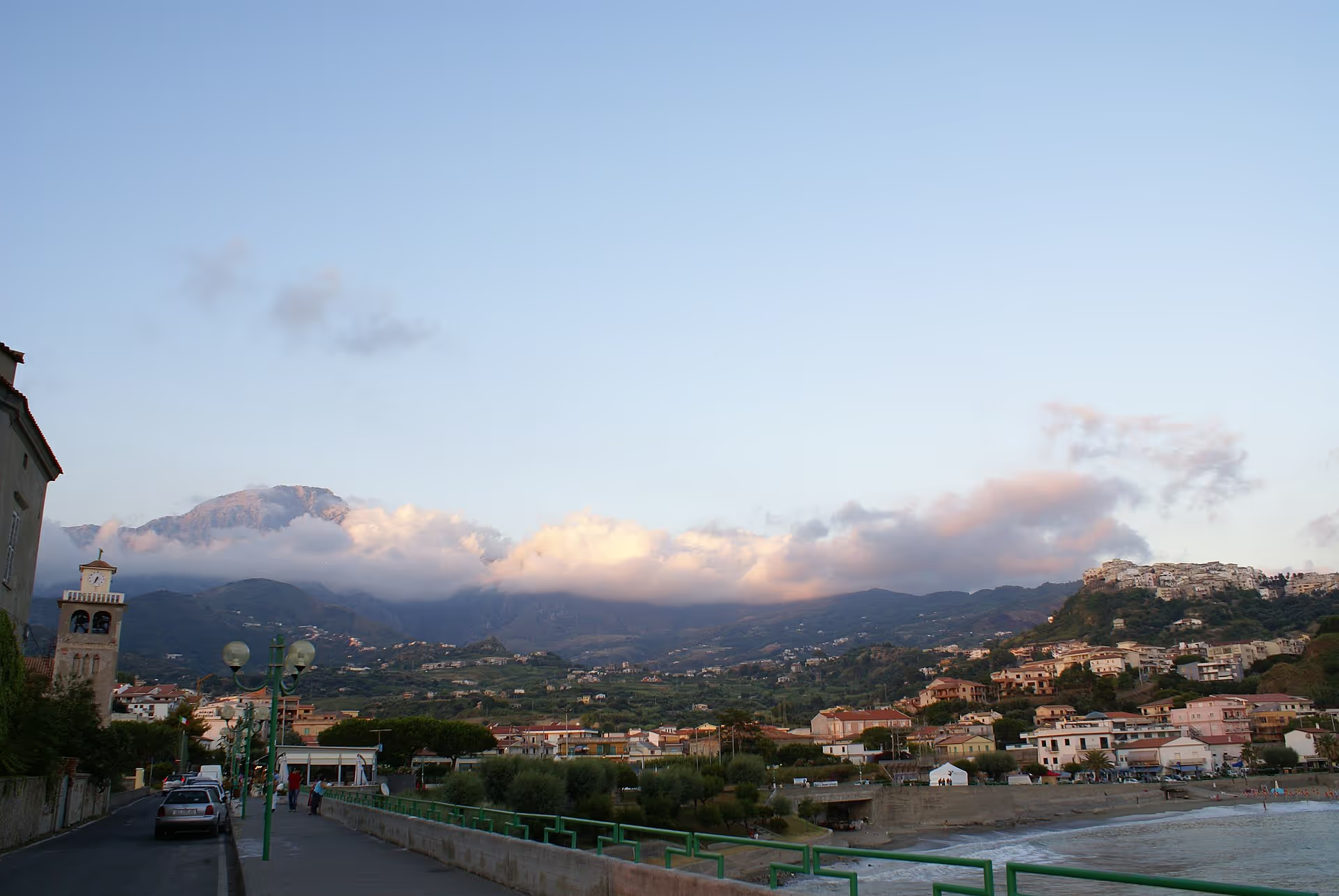
Flavours and traditions
Three days among citron, old towns and harbour: a journey through the flavours of the Upper Tyrrhenian Cosentino coast.
6 stops4 townsAll year roundSee the stops
Where to stay
- Besarooms B&B affitta camereGuest house · Santa Maria del Cedro
- ScaleaApartment · Santa Maria del Cedro
Indicative information from OpenStreetMap. Check availability and reviews on the external platforms.
Where to eat
- GermanoBar · Santa Maria del Cedro
- GiaguàRestaurant · Santa Maria del Cedro
- IdeaBar · Santa Maria del Cedro
- Il MelogranoBar · Santa Maria del Cedro
- ItaliaBar · Santa Maria del Cedro
- La FiumanaRestaurant · Santa Maria del Cedro
- Lid'AzzurroRestaurant · Santa Maria del Cedro
- MaryRestaurant · Santa Maria del Cedro
- Scacco MattoBar · Santa Maria del Cedro
- Vecchio CasaleRestaurant · Santa Maria del Cedro
Indicative information from OpenStreetMap. Check availability and reviews on the external platforms.
Beaches and beach clubs
- Il PontileBeach club · Santa Maria del Cedro
Indicative information from OpenStreetMap. Check availability and reviews on the external platforms.
Do you run a local business?
Update the listing or discover how to give your business more visibility.
Join the guide for freeHow to get to Santa Maria del Cedro
- Reference railway station
- Grisolia-Santa Maria
- about 2 km as the crow flies from the centre Serves Grisolia and Santa Maria del Cedro.
- Train times (Trenitalia) ↗ Guide: by train
- Nearest airport
- Lamezia Terme International Airport (SUF)
- about 100 km as the crow flies from the centre
- Airport website ↗ Guide: by plane
- By car: A2 “del Mediterraneo” motorway
-
From the north · A2 Lagonegro north SS585 Fondo Valle del Noce → SS18 Tyrrhenian coastal road heading south
From the south · A2 Falerna SS18 Tyrrhenian coastal road heading north along the coast
- Driving directions (Google Maps) ↗ Guide: by car
Straight-line distances computed from verified coordinates: the road route is longer. Check times and connections on the operators’ websites.
Frequently asked questions
- On the Tyrrhenian coast of the province of Cosenza, Calabria, between Scalea and Grisolia, at the southern end of the Lao plain, a short distance from the Pollino National Park.
- Because of the widespread cultivation of the citron, whose most prized variety, the “liscio Diamante” known as the Santa Maria del Cedro citron, grows here; the Riviera comprises 24 municipalities from Tortora to Paola.
- The etrog is the citron used in the Jewish rites of Sukkot, the Feast of Tabernacles: it must come from trees of particular species and be flawless, and rabbis come to the town every year to select it in person.
- The remains of the Magna Graecia city founded by refugees from Sybaris after 510 BC, on the hill above the hamlet of Marcellina; the finds are in the Scalea antiquarium and the National Museum in Reggio Calabria.
- In the Carcere dell’Impresa, a 15th–16th-century workshop in the centre of Santa Maria del Cedro that belonged to the Sollazzo family; the museum was established by the Consorzio del Cedro di Calabria.
- Cipollina, probably “the place on this side of the Pollino”, until 1955; then Santa Maria until 1968, when it took its present name. It has been an independent municipality since 1948; before that it was a hamlet of Grisolia.
- Two, on the Tyrrhenian line: Grisolia-Santa Maria and Marcellina-Verbicaro-Orsomarso, in the hamlet of Marcellina.
- The reference station is Grisolia-Santa Maria, on the Tyrrhenian railway line, about 2 km as the crow flies from the centre of Santa Maria del Cedro. Times and connections on the Trenitalia website.
- The nearest airport is Lamezia Terme International Airport (SUF), about 100 km as the crow flies; from there you continue by train from Lamezia Terme Centrale along the Tyrrhenian line, or by car on the A2 motorway.
Where is Santa Maria del Cedro?
Why is the coast called Riviera dei Cedri?
What is the etrog and why do rabbis come to Santa Maria del Cedro?
What is the archaeological area of Laos?
Where is the Citron Museum?
What was Santa Maria del Cedro called before?
Which stations serve Santa Maria del Cedro?
Which is the nearest railway station to Santa Maria del Cedro?
Which is the nearest airport to Santa Maria del Cedro?
Discover locally
Live, up-to-date results with real reviews, on external platforms. We don’t hand-pick individual businesses we can’t verify.