 Culture
Upper Tyrrhenian Cosentino · Riviera dei Cedri
Blanda: the Palècastro and San Brancato
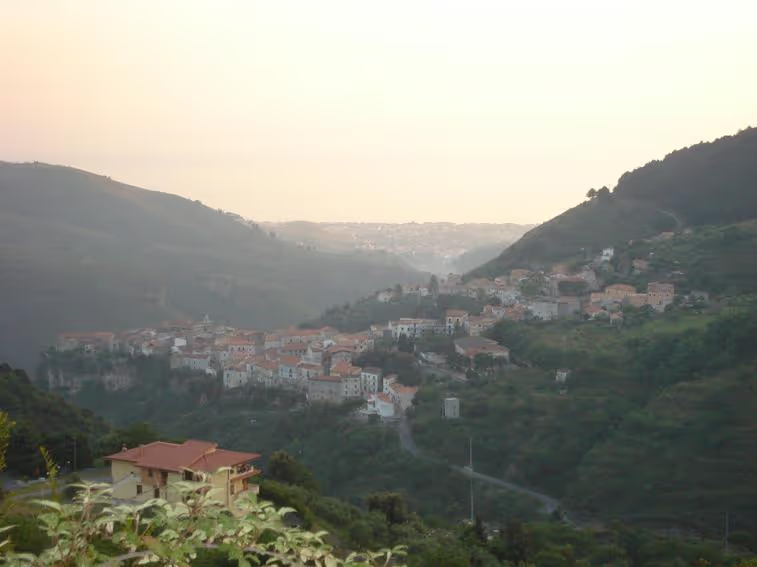
The hill where the Oenotrian, Lucanian and Roman city of Blanda Julia rose, with its walls, forum, three small temples and the San Brancato necropolis: the site identified in 1891 and excavated from 1990.
For centuries no one knew where Blanda was, the city named by Pliny, Ptolemy and Livy and marked as a station on the Peutinger Table and the Antonine Itinerary. Camillo Pellegrino in the 17th century looked for it at Maratea, Gabriele Barrio saw it at Belvedere Marittimo; only in 1891 did the historian Michele Lacava place it near Tortora, and the excavations led from 1990 by Gioacchino Francesco La Torre for the Superintendency have confirmed it beyond doubt on the Palècastro hill and in the district of San Brancato.
At San Brancato more than 120 Oenotrian and Lucanian tombs have come to light with grave goods of Italic vases and a few imports from the Greek colonies, together with the large early Christian church with a central plan and three apses, surrounded by burials, built in the 6th–7th century when Blanda was a bishop’s see and used until the 12th century. On the Palècastro, where the mighty Lucanian wall was already visible, the Roman city that lived between the 1st century BC and the 5th AD has emerged: two streets crossing at right angles, the insulae of the houses, the forum with the plinth of a monument dedicated to the duumvir Marcus Arrius Clymenus and three small temples of the Capitoline Triad, built in the reconstruction that followed the earthquake of around 70 BC. At the foot of the hill remains the lower part of a monumental mausoleum, while the cisterns and fountains that supplied the city with water lie beneath state road 18. Blanda covered barely five hectares, but from here two duumvirs administered a wide territory with its shoreline.
Frequently asked questions
- On the Palècastro hill and in the district of San Brancato, in the territory of Tortora; the identification, proposed by Michele Lacava in 1891, was confirmed by the excavations of Gioacchino Francesco La Torre from 1990.
- The Lucanian wall, two orthogonal streets with their insulae, the forum with the plinth dedicated to the duumvir Marcus Arrius Clymenus, three small temples of the Capitoline Triad and the base of a mausoleum at the foot of the hill.
Where is the archaeological site of Blanda?
What remains of Roman Blanda?
More places in Tortora
- Old town
Old town of Tortora
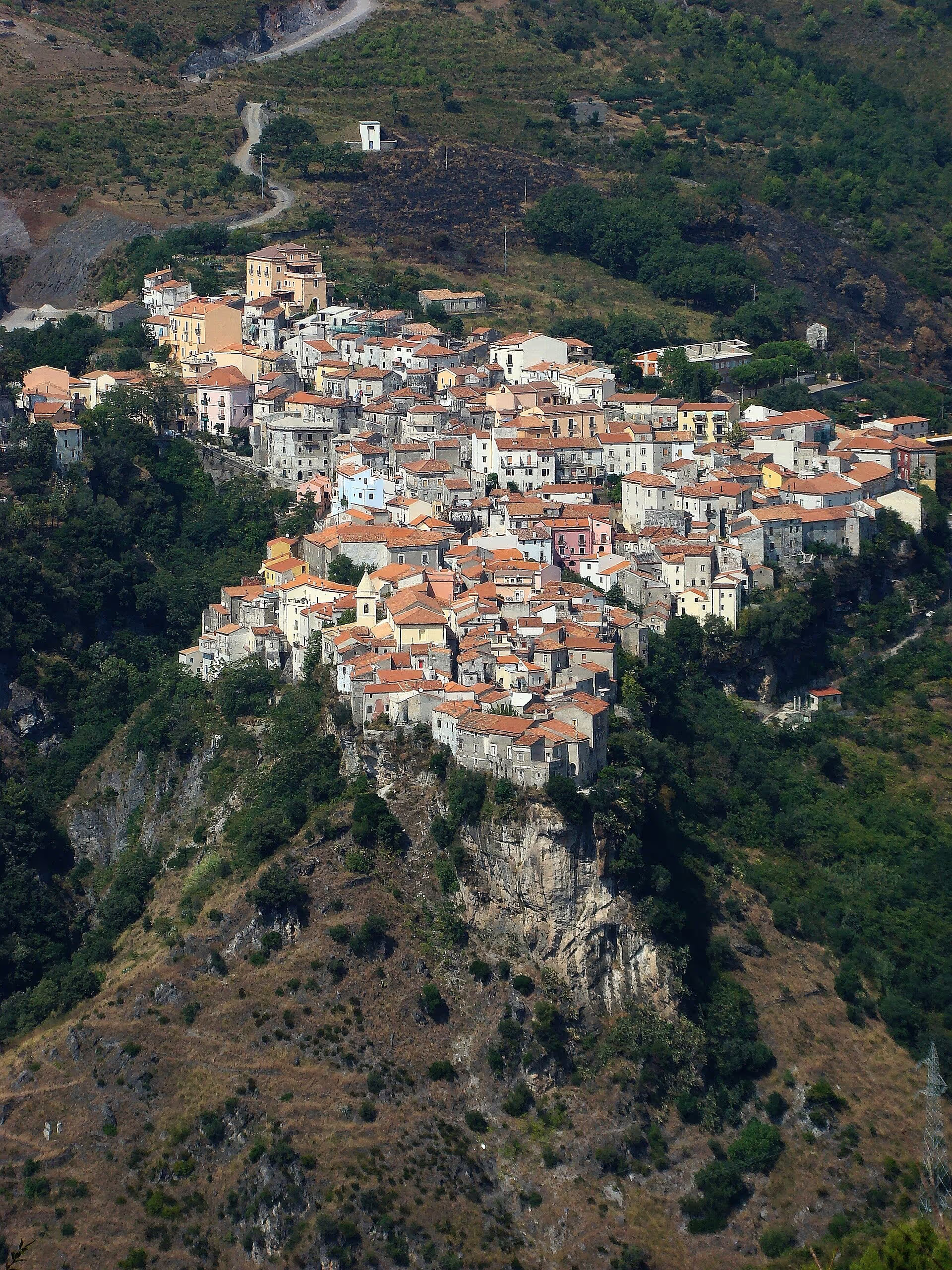
The village of Julitta on its rocky spur: the stone portals of the palaces, the mother church of San Pietro Apostolo, the Annunziata and the memory of the Basilian monks and of Garibaldi.
-
 Culture
 Museum of Blanda
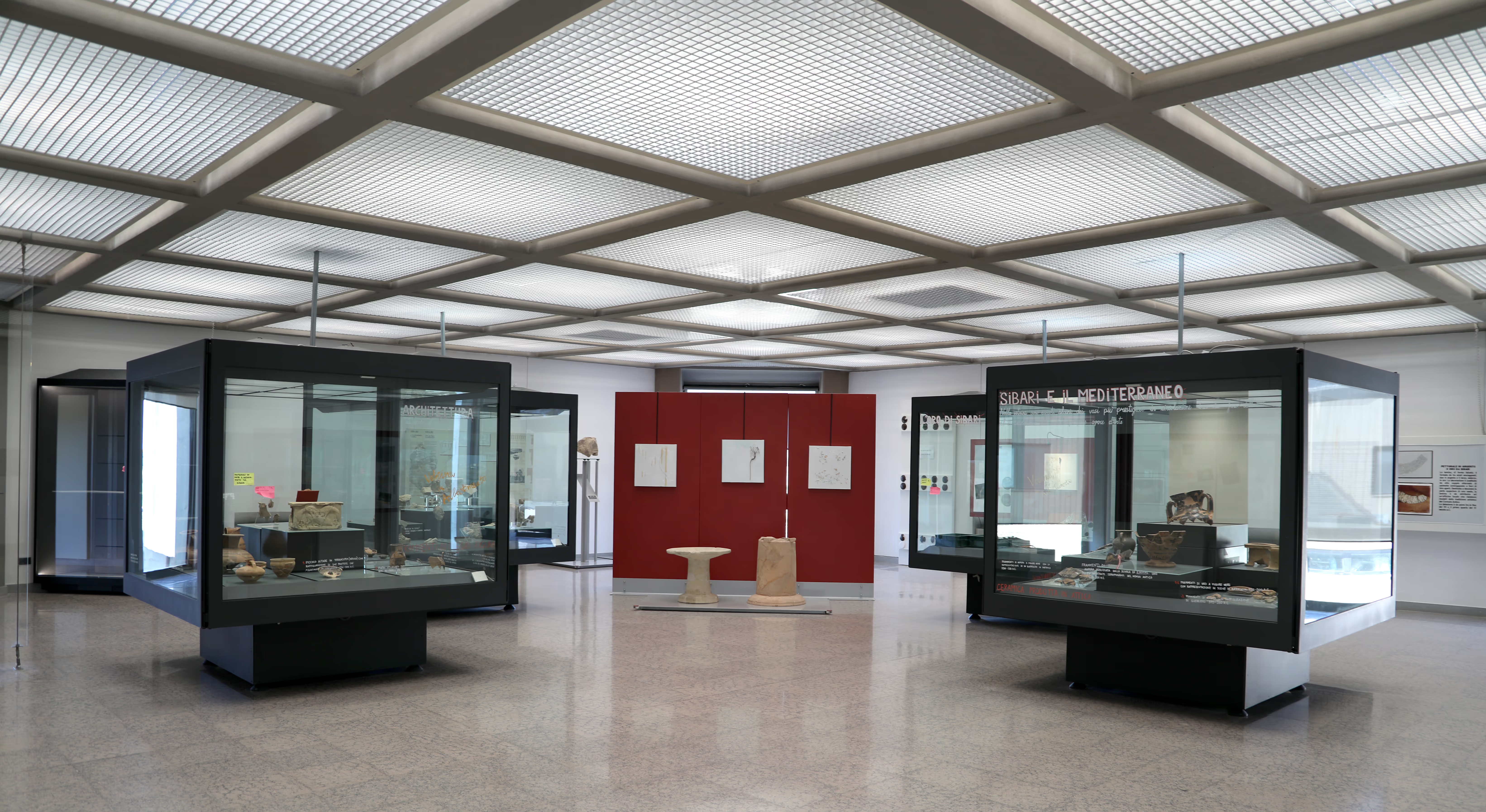
The old-town museum that tells of ancient settlement south of the Noce: the Oenotrian and Lucanian grave goods of San Brancato and the finds from Roman Blanda on the Palècastro.
- Beach
Tortora Marina and the Gulf of Policastro
The plain on the Gulf of Policastro where most of Tortora’s people live: beaches, ten districts joined in one settlement, the Palaeolithic site of Rosaneto and the Torre Nave cliff.
Itineraries through here
-
 3 daysTowns & history
Towns & history
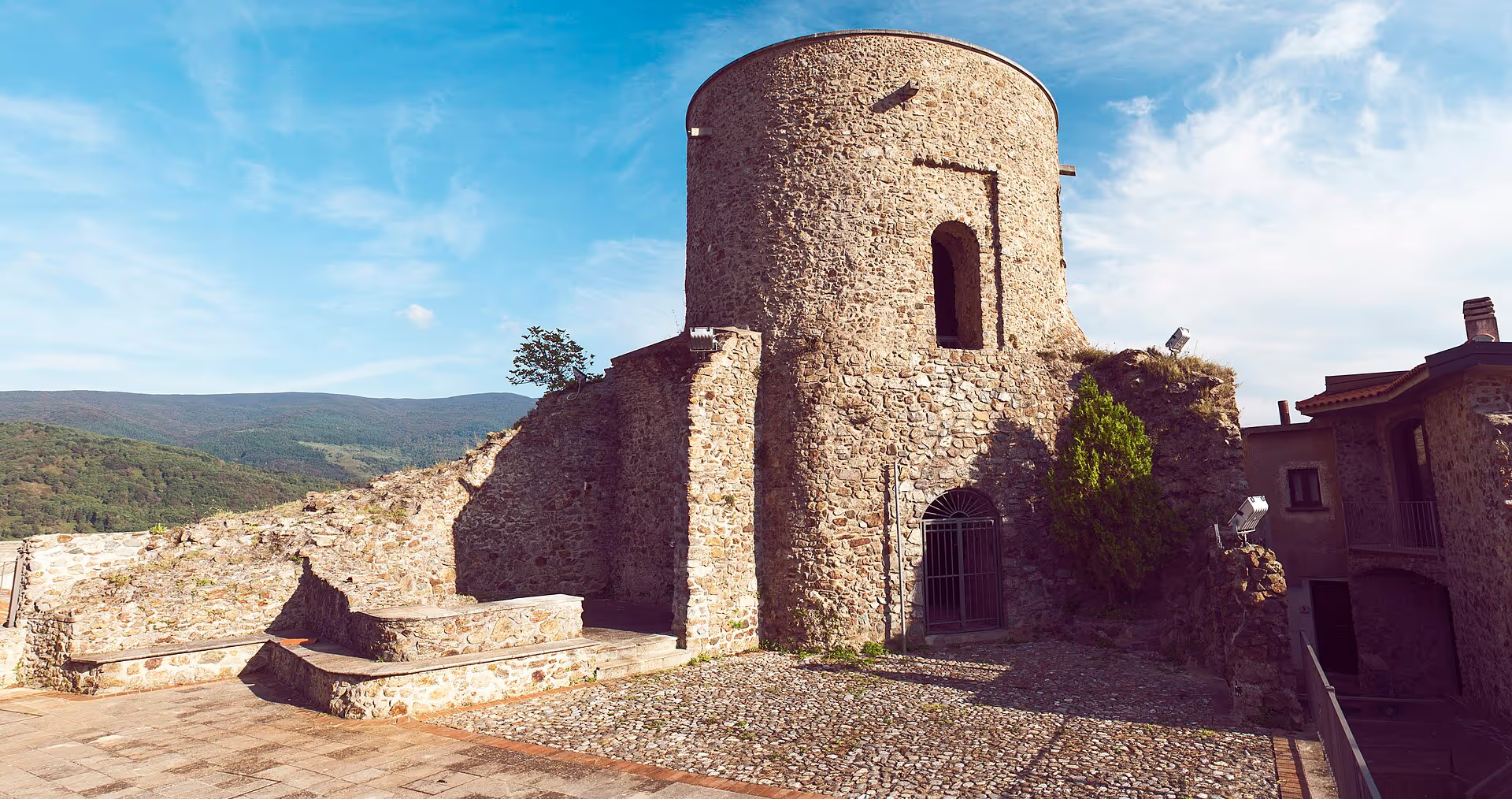
Three days among old towns, castles and the only Occitan language island in southern Italy.
6 stops5 townsAll year roundSee the stops - 2 daysTowns & history
Weekend in the old towns
Two days among museum, stone village and murals: history and art without a devotional focus.
4 stops3 townsAll year roundSee the stops -
 4 daysTowns & history
Four days among old towns
Four days among castles, Norman towns, sacred art and the Occitan language island.
8 stops5 townsAll year roundSee the stops