 Culture
Upper Tyrrhenian Cosentino · Riviera dei Cedri
Museum of Blanda
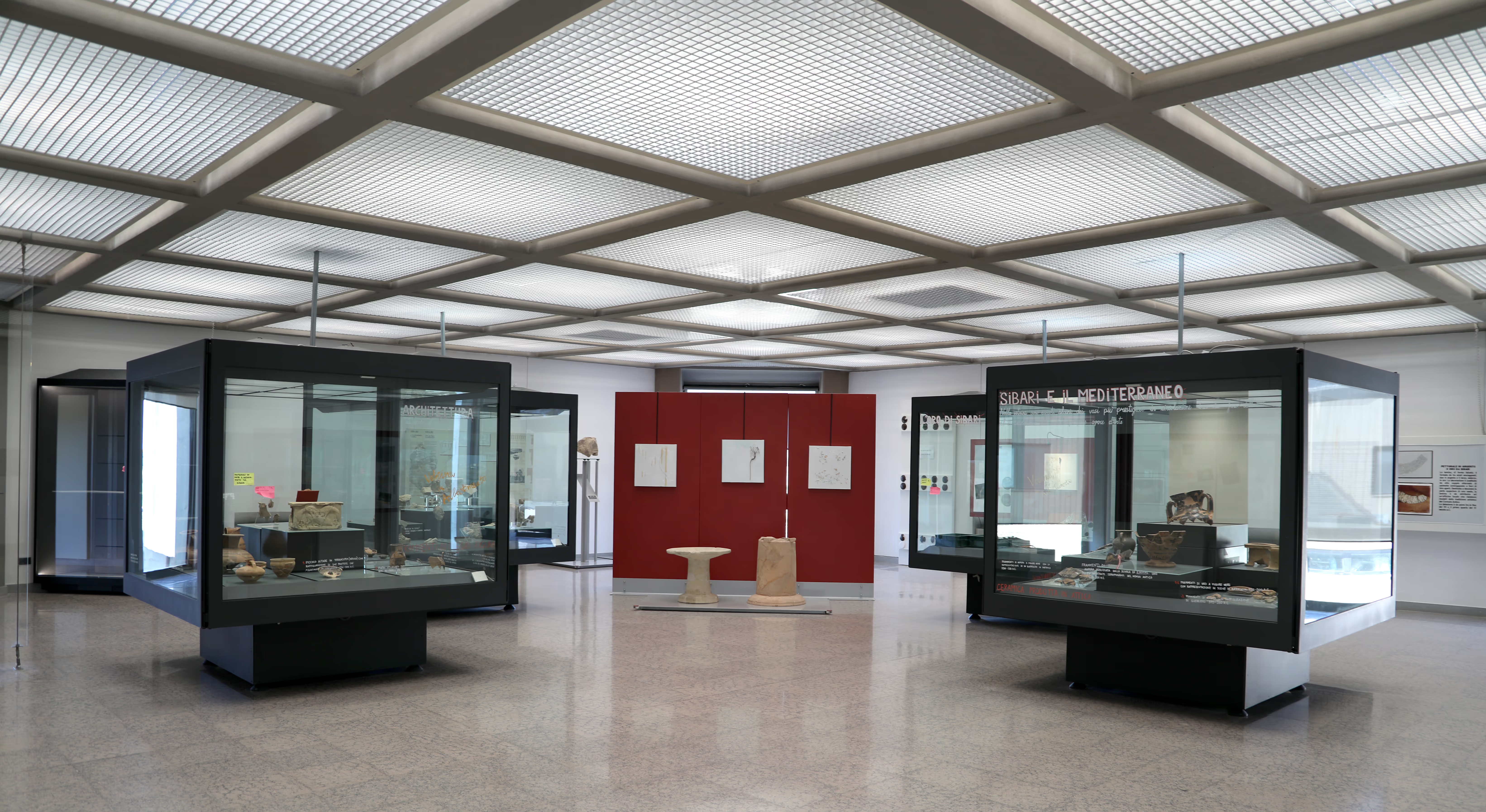
The old-town museum that tells of ancient settlement south of the Noce: the Oenotrian and Lucanian grave goods of San Brancato and the finds from Roman Blanda on the Palècastro.
The Museum of Blanda stands in the old town of Tortora and is the heir of the permanent exhibition “Archeologia per Tortora: frammenti dal passato”, set up in the Casapesenna palace. Opened in 2014, it is designed to tell the story of ancient settlement in the territory south of the mouth of the Noce, from the first Oenotrians to Roman Blanda, displaying the finds from the many excavated sites and accompanying them with multimedia displays.
The heart of the collection comes from the San Brancato necropolis: more than 120 Oenotrian and Lucanian tombs with grave goods made above all of Italic vases of various sizes, with a few pieces imported from the colonies of Magna Graecia, and the stone stele that with 38 burials of the 6th–4th century BC proved the presence of the Oenotrians on the hill. To these are added the pottery of the Lucanian settlement and the material of the Roman city on the Palècastro, from the forum to the three small temples. It is the museum that explains why Tortora was called Julitta: when Blanda was abandoned, its people gave the new village the name of the lost city.
Frequently asked questions
- The grave goods of the more than 120 Oenotrian and Lucanian tombs of the San Brancato necropolis, with Italic vases and Magna Graecia imports, and the finds from the Roman city of Blanda Julia on the Palècastro hill, with multimedia displays.
- In 2014, as the evolution of the permanent exhibition “Archeologia per Tortora: frammenti dal passato” set up in the Casapesenna palace in the old town.
What can you see at the Museum of Blanda?
When was the Museum of Blanda founded?
More places in Tortora
-
 Culture
 Blanda: the Palècastro and San Brancato
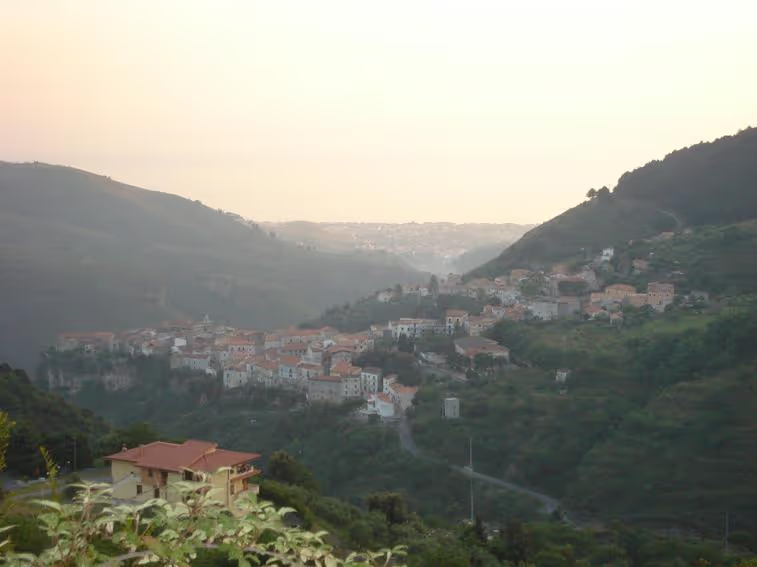
The hill where the Oenotrian, Lucanian and Roman city of Blanda Julia rose, with its walls, forum, three small temples and the San Brancato necropolis: the site identified in 1891 and excavated from 1990.
- Old town
Old town of Tortora
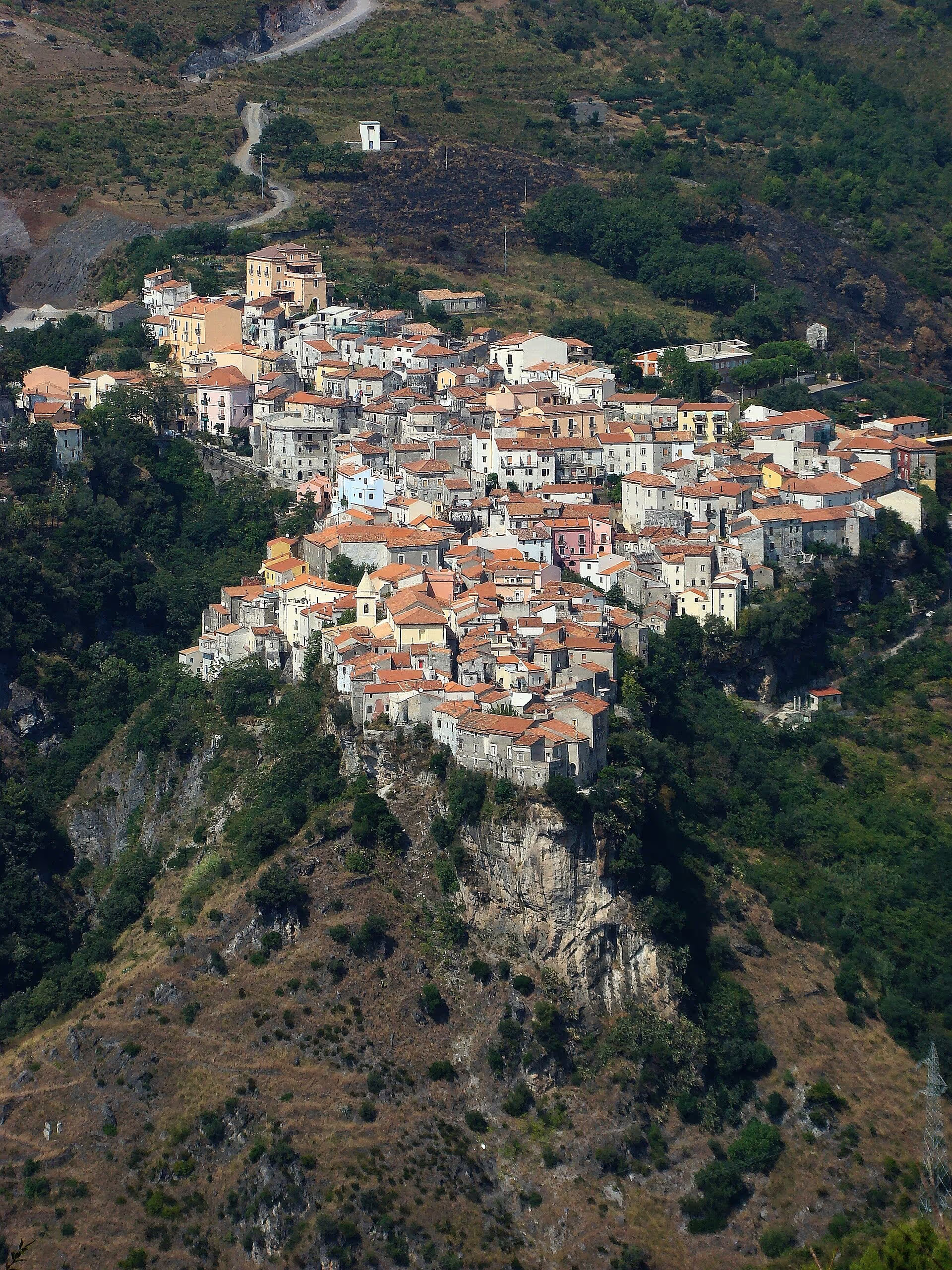
The village of Julitta on its rocky spur: the stone portals of the palaces, the mother church of San Pietro Apostolo, the Annunziata and the memory of the Basilian monks and of Garibaldi.
- Beach
Tortora Marina and the Gulf of Policastro
The plain on the Gulf of Policastro where most of Tortora’s people live: beaches, ten districts joined in one settlement, the Palaeolithic site of Rosaneto and the Torre Nave cliff.
Itineraries through here
-
 3 daysTowns & history
Towns & history
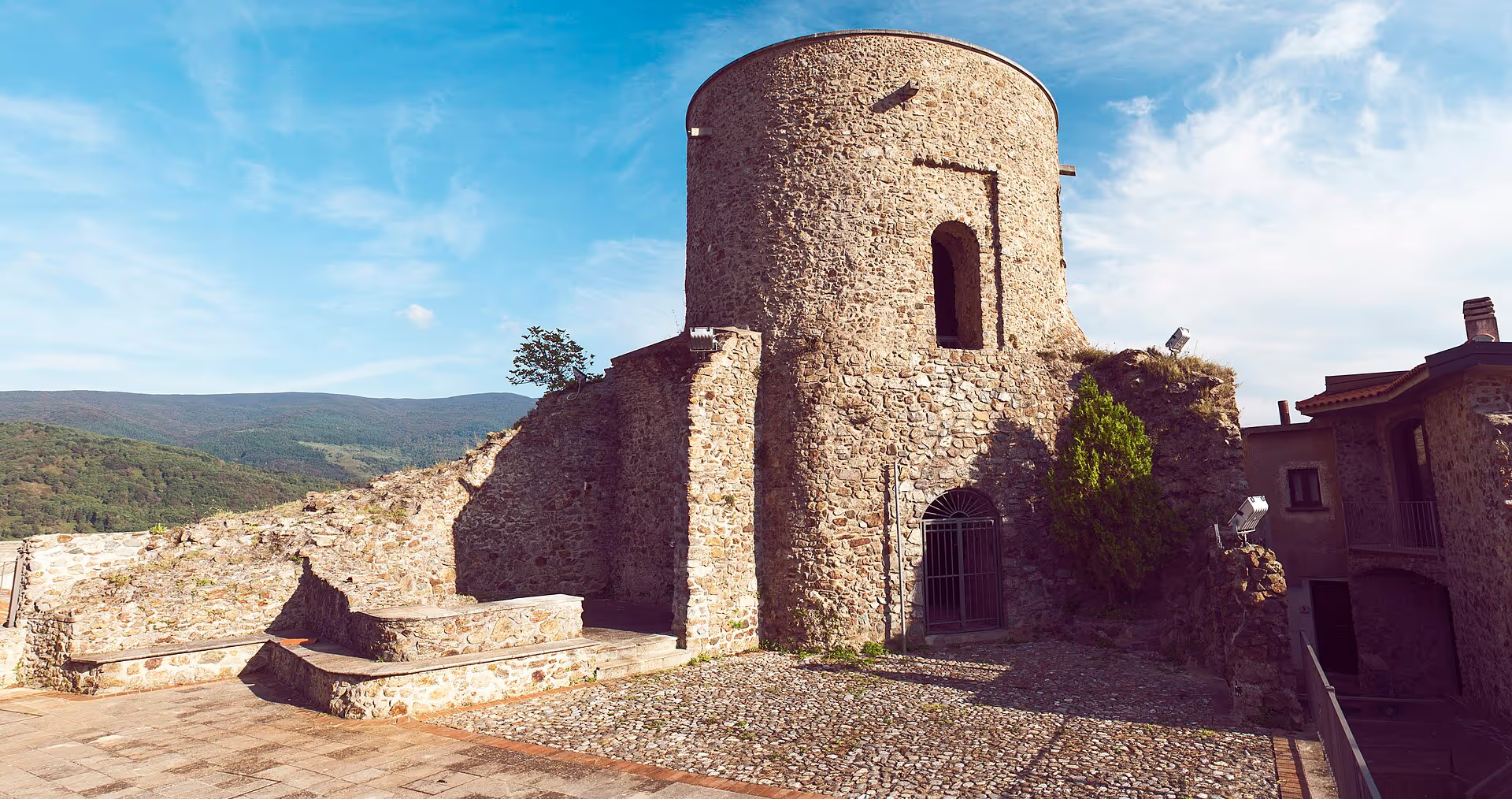
Three days among old towns, castles and the only Occitan language island in southern Italy.
6 stops5 townsAll year roundSee the stops - 2 daysTowns & history
Weekend in the old towns
Two days among museum, stone village and murals: history and art without a devotional focus.
4 stops3 townsAll year roundSee the stops -
 4 daysTowns & history
Four days among old towns
Four days among castles, Norman towns, sacred art and the Occitan language island.
8 stops5 townsAll year roundSee the stops