 Beach
BeachUpper Tyrrhenian Cosentino · Riviera dei Cedri
Borgo San Marco and Monte Serra
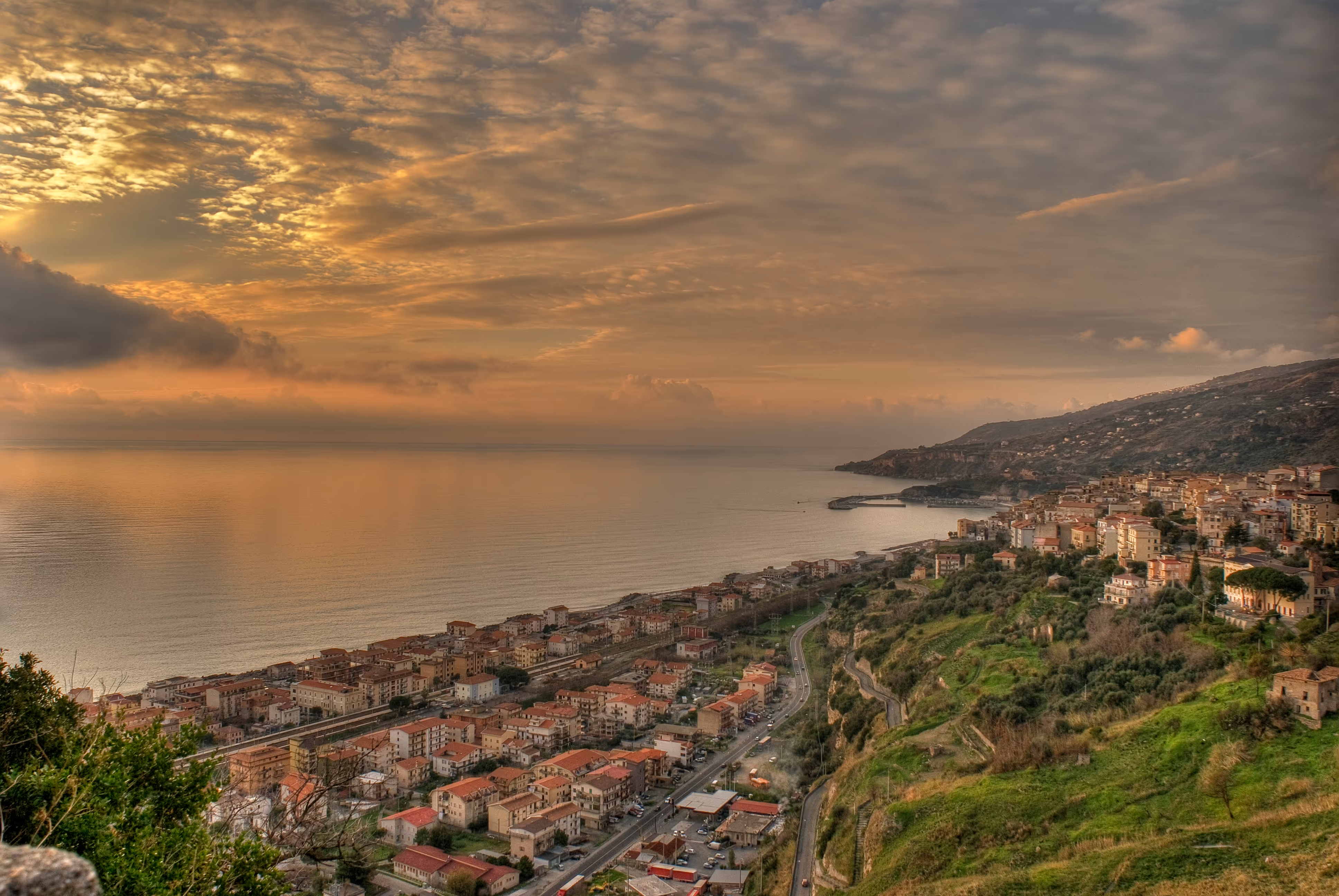
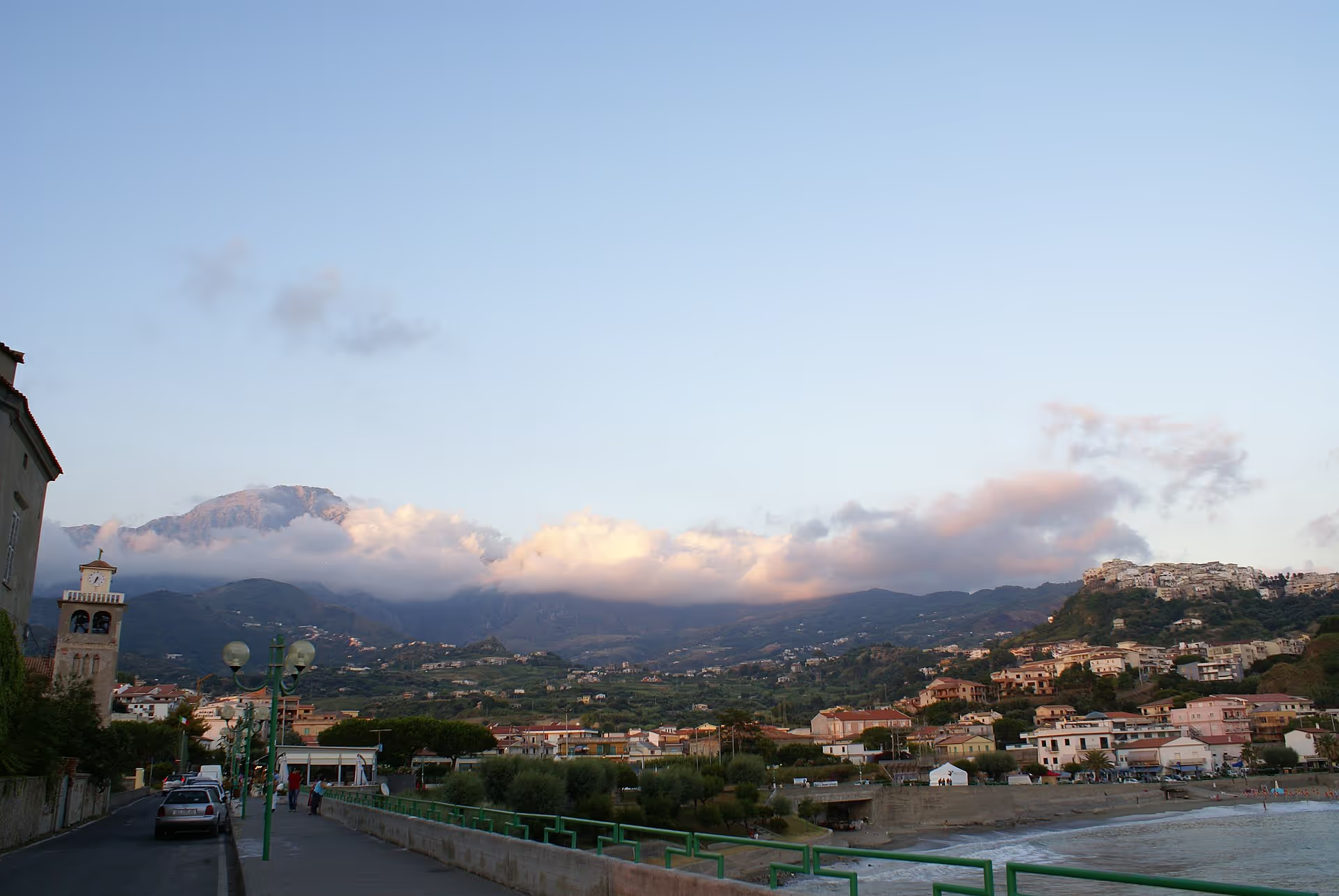
The beach hamlet founded in 1910 by Venetian settlers after the earthquake of 1908: lidos between the Mulini and Santa Maria di Mare, the garden of the vajanelle peppers and, behind, Monte Serra with the sanctuary of the Madonna.
Borgo San Marco is Cetraro’s seaside hamlet, and its Venetian name is no accident: it was founded in 1910 by Venetian settlers, as part of the rebuilding of Calabria and Sicily after the earthquake and tsunami of 1908 that had destroyed Reggio Calabria and Messina. It stretches along the coast between the Mulini area (Macchia di Mare) to the north and the small hamlet of Santa Maria di Mare to the south, with the Tyrrhenian in front and, behind, Monte Serra. In recent years the beach has filled with lidos, and in summer the population multiplies with holidaymakers, mostly from Campania and Lazio.
It is also a hamlet of vegetable gardens. The local market sells tomatoes, pumpkins, the oblong hot peppers called vajanelle and the even hotter chillies known as piparielli. On Monte Serra the sanctuary of the Madonna della Serra is the goal of yearly pilgrimages and of a walk that climbs from the coast through the scrub; on 11 July, in front of the hamlet, the sea procession of Saint Benedict passes on its way to Lampetia and Capofella.
Frequently asked questions
- Because it was founded in 1910 by Venetian settlers, as part of the rebuilding that followed the 1908 earthquake of Reggio Calabria and Messina.
- The oblong hot peppers typical of Cetraro, sold at the local market together with piparielli, even hotter chillies.
Why is it called Borgo San Marco?
What are vajanelle?
More places in Cetraro
- Old town
Old town of Cetraro
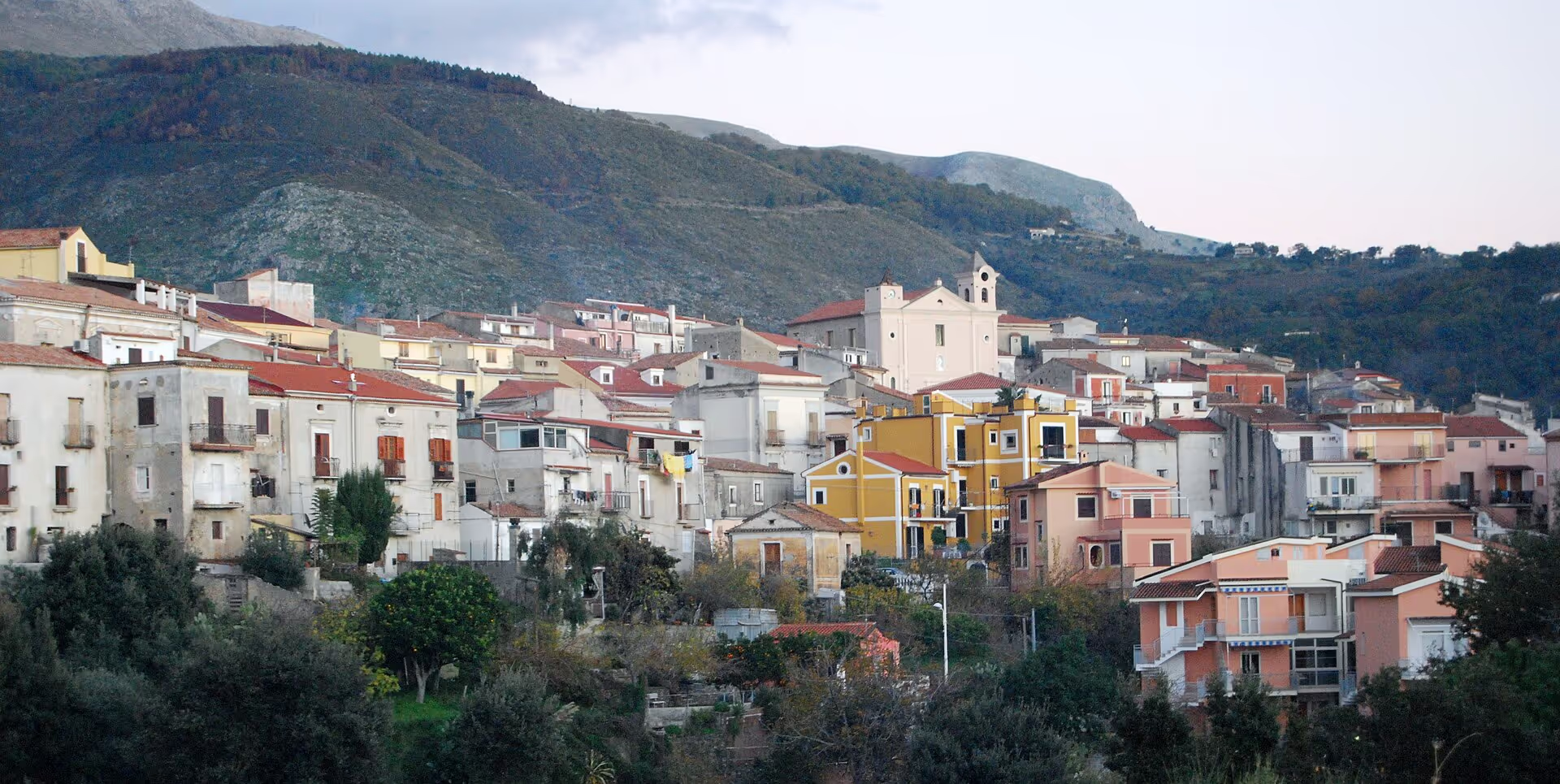
The Paese 120 metres above the Aron valley: the three gates of the fortified town, the little squares “a giorgia” and “miezzu a curta”, the Chiesa del Ritiro of 1454, San Nicola, the Capuchins and the Sette Mari fountain.
- Culture
Church of San Benedetto Abate
The mother church founded by the monks of Montecassino, recorded from 1104 and remade in Baroque forms in the 18th century: medieval tower, wooden choir and one of the finest organs in Calabria.
-
 Viewpoint
 Port of Cetraro
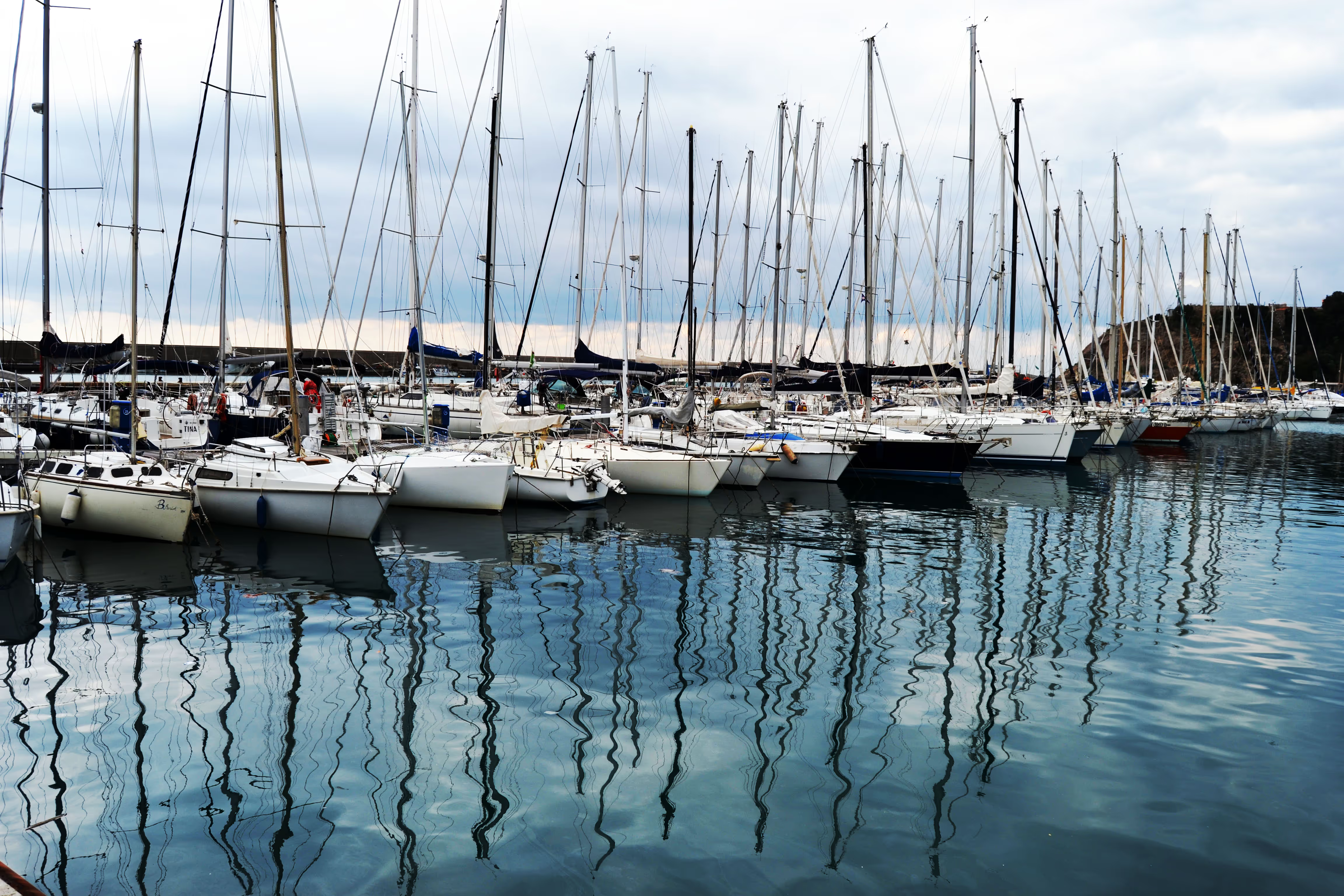
The port of the Marina, with its 450-metre breakwater and the Marina di San Benedetto yacht harbour: from here, on 11 July, the patron saint’s sea procession sets out.
Itineraries through here
-
 4 daysGrand tour
Grand Tour of the Riviera dei Cedri
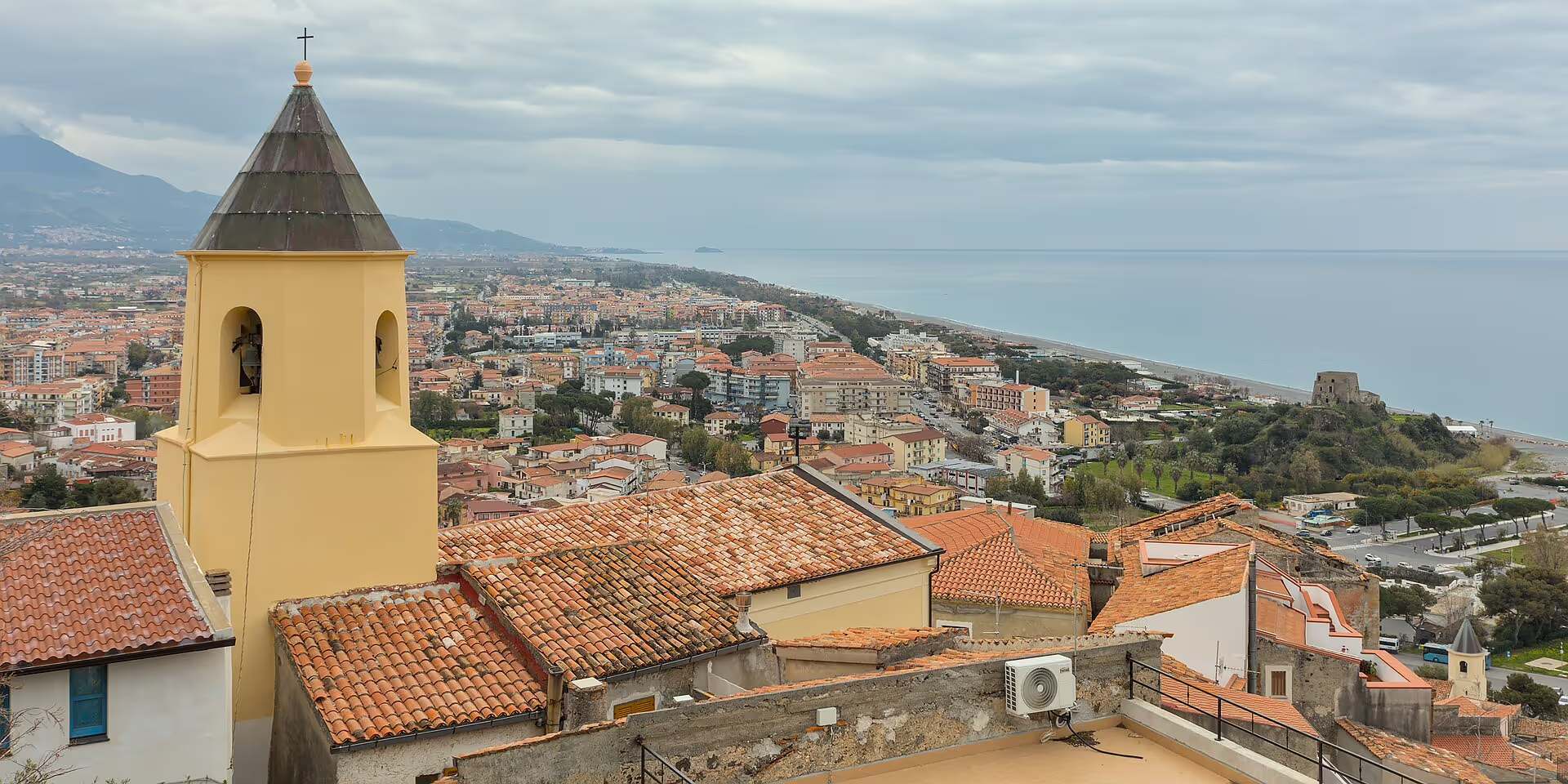
Four days from north to south along the Upper Tyrrhenian Cosentino coast: islands, Norman towns, murals and sanctuaries.
11 stops8 townsMay–OctoberSee the stops -
 2 daysWellness & spa
Wellness & spa
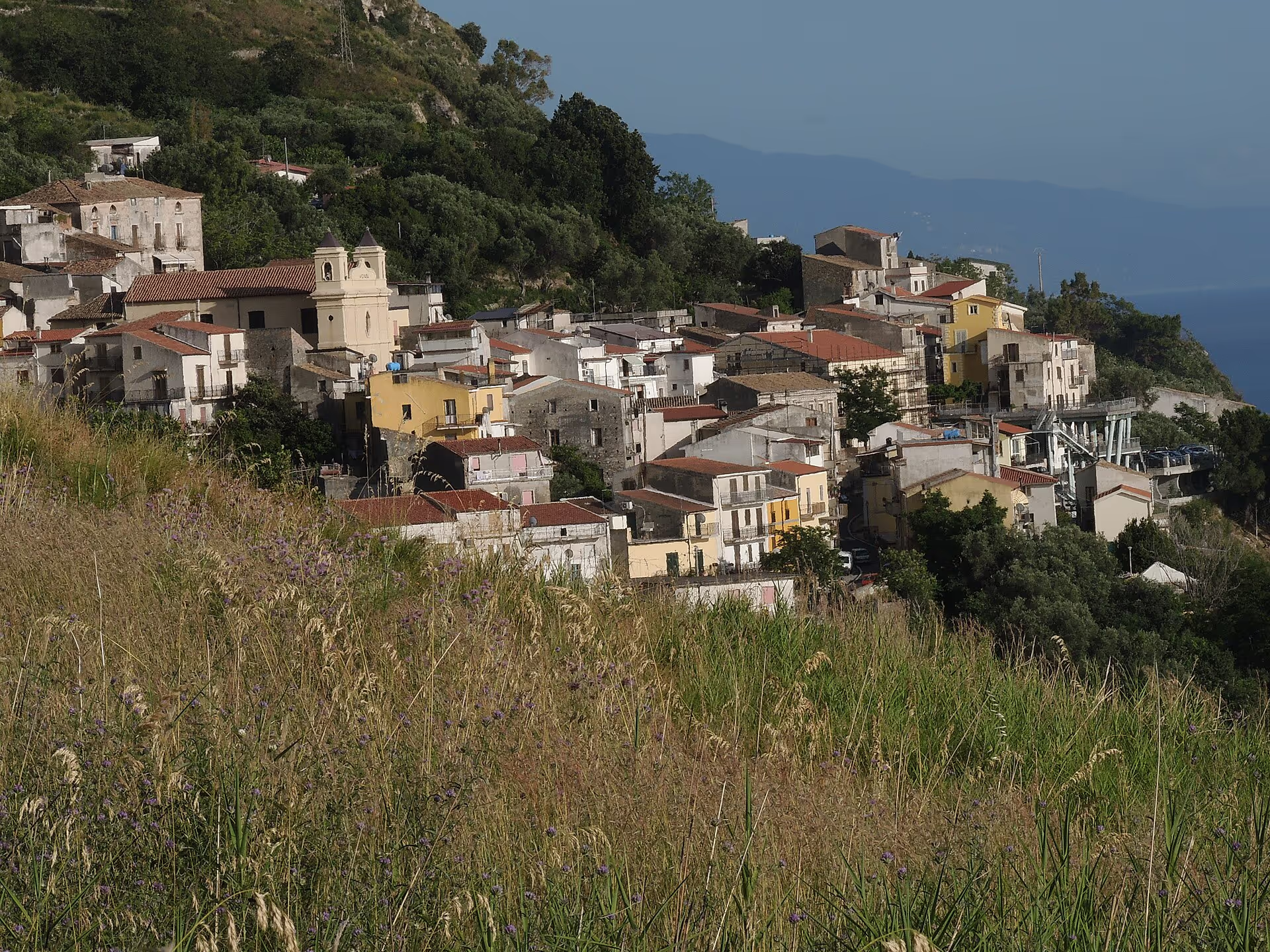
Two days among thermal waters, marina and towns of the Middle Tyrrhenian Cosentino area.
4 stops4 townsAll year roundSee the stops -
 4 daysSea & beaches
Four days on the Tyrrhenian coast
Four days devoted to the sea, from San Nicola Arcella to Cetraro: arches, islands, beaches and marina.
8 stops6 townsJune–SeptemberSee the stops -
 2 daysGrand tour
Flavours of the Riviera
Two days among citron, chilli pepper and harbour: the typical products of the Upper Tyrrhenian Cosentino coast.
4 stops3 townsAll year roundSee the stops -
 3 daysGrand tour
Flavours and traditions
Three days among citron, old towns and harbour: a journey through the flavours of the Upper Tyrrhenian Cosentino coast.
6 stops4 townsAll year roundSee the stops