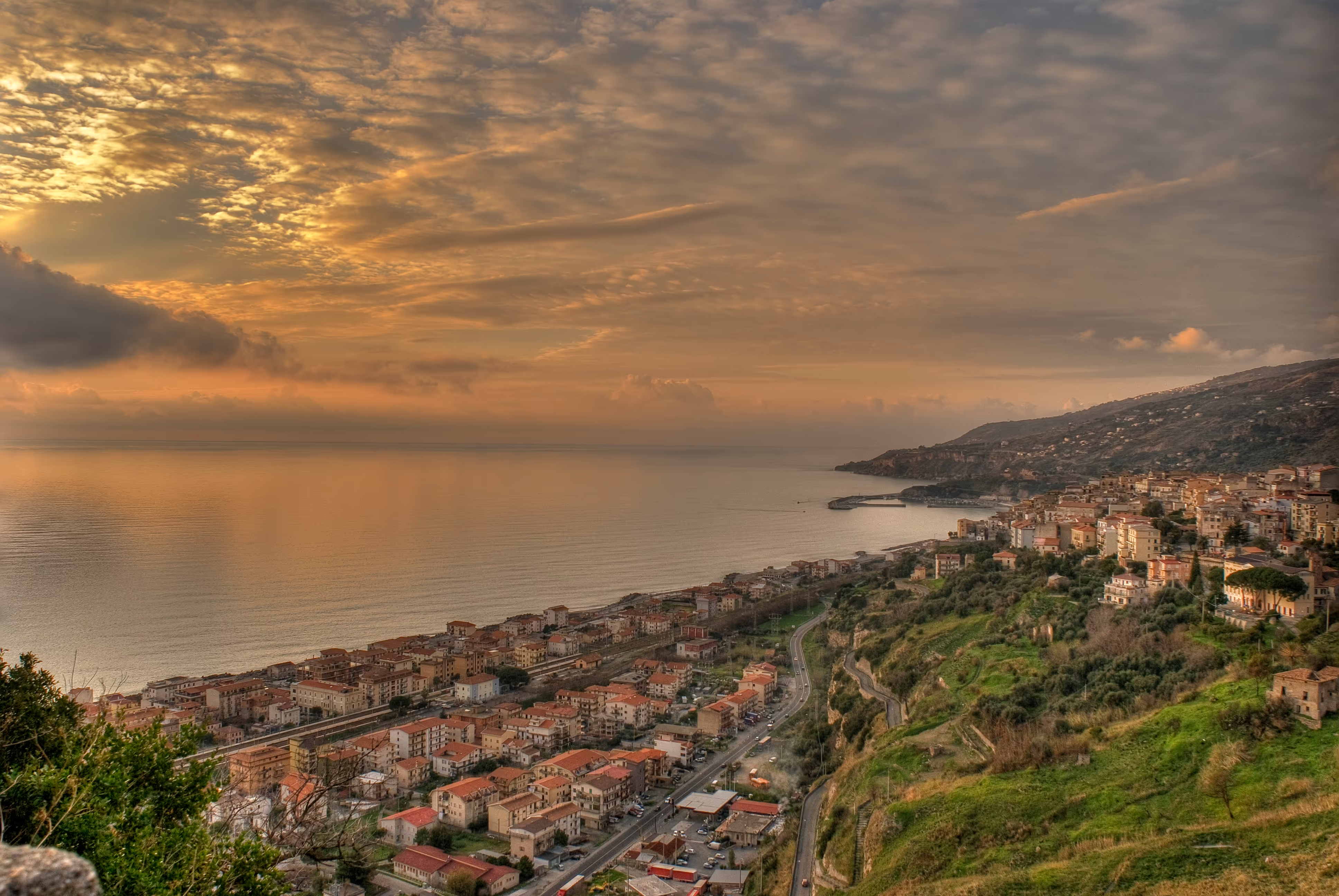
 Culture
Upper Tyrrhenian Cosentino · Riviera dei Cedri
Church of San Benedetto Abate
The mother church founded by the monks of Montecassino, recorded from 1104 and remade in Baroque forms in the 18th century: medieval tower, wooden choir and one of the finest organs in Calabria.
When Cetraro passed to the abbey of Montecassino in 1086, the monks chose for their spiritual house a place “at the top of the slope”, just outside the settlement of the time, and dedicated it to the founder of their order. The Church of San Benedetto Abate first appears in a document of 1104 and soon became a priory where, the chronicles say, the monks praised God day and night; in the 14th century disputes with the secular clergy turned it into a parish church, “mother and head” of all the clergy of Cetraro. The tower beside it, already called “lo campanaro” in 1540, is the only survivor of the towers that ringed the medieval castrum.
Today’s building is a child of the 18th century: in 1750 archpriest Lorenzo De Caro began the enlargement, resumed in 1766 by his successor Policicchio; in 1775 the marble statue of Saint Benedict was set over the main portal and on 28 October 1779 the building was celebrated as complete. The façade, divided by pilasters and topped by a triangular pediment, faces a forecourt closed in by noble palaces in the mid-1800s. The interior is a Latin cross, with three naves and five bays a side: a wooden choir of 1822, the mid-19th-century choir loft, Francesco Basile’s canvas of the Madonna with the souls in Purgatory (1793), the wooden group of the Madonna del Rosario, the Baroque altar of the Addolorata and, on the vault, the early-19th-century Last Judgement with the biblical frescoes added in 1898 by Rocco Ferrari. The 18th-century organ, restored in 1990, with music-making angels and carved festoons, is singled out by scholars as one of the most refined examples of Neapolitan organ culture in Calabria. From here, every 11 July, the statue of the saint sets out for the sea procession.
Frequently asked questions
- It is first mentioned in a document of 1104, after the donation of Cetraro to Montecassino in 1086; its present Baroque form dates from the enlargement of 1750–1779.
- The medieval tower used as a bell tower, the wooden choir of 1822, Francesco Basile’s canvas of 1793, the Last Judgement on the vault and the 18th-century organ restored in 1990.
When was the church of San Benedetto in Cetraro built?
What is notable in the church of San Benedetto?
More places in Cetraro
- Beach
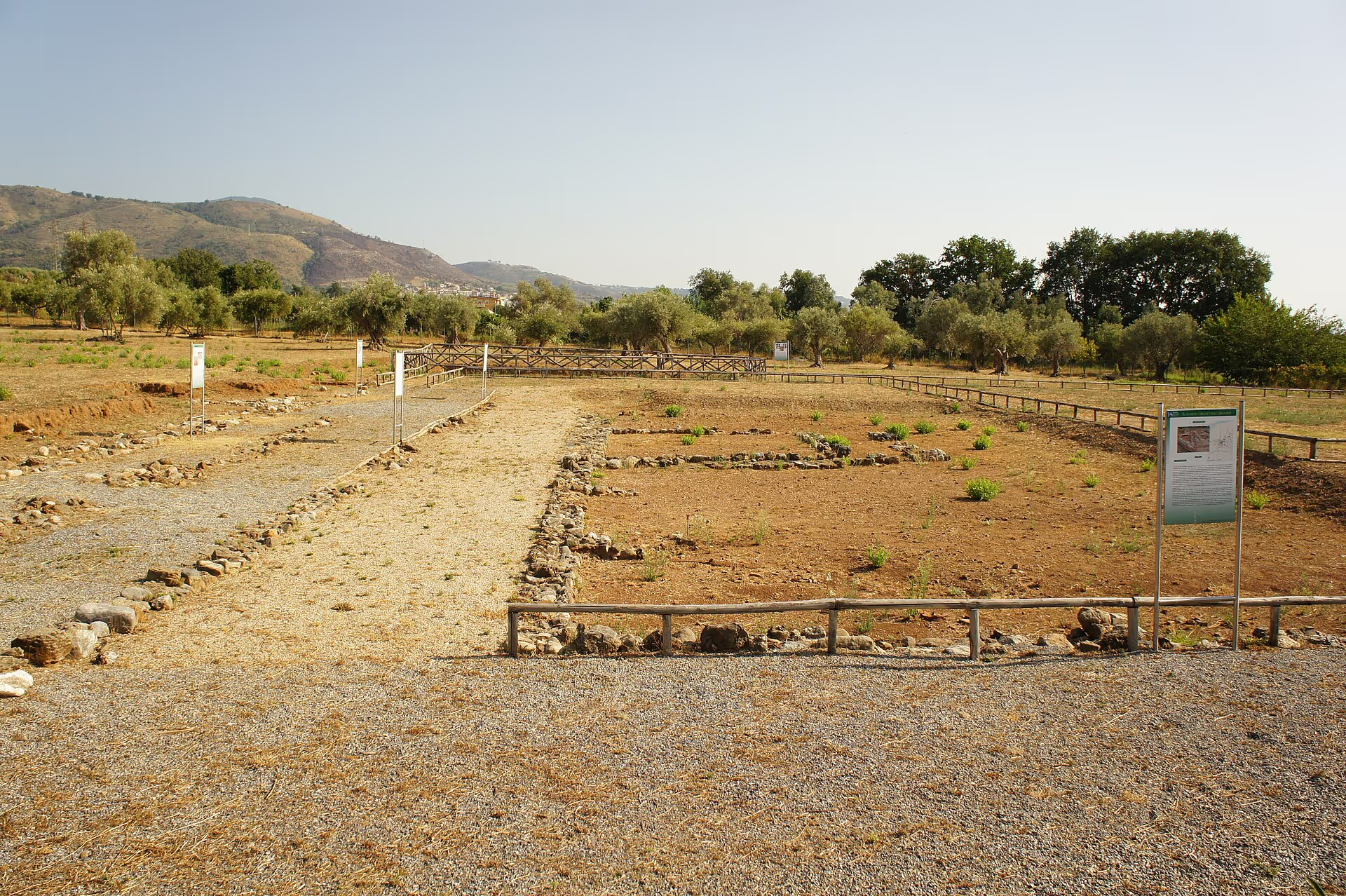
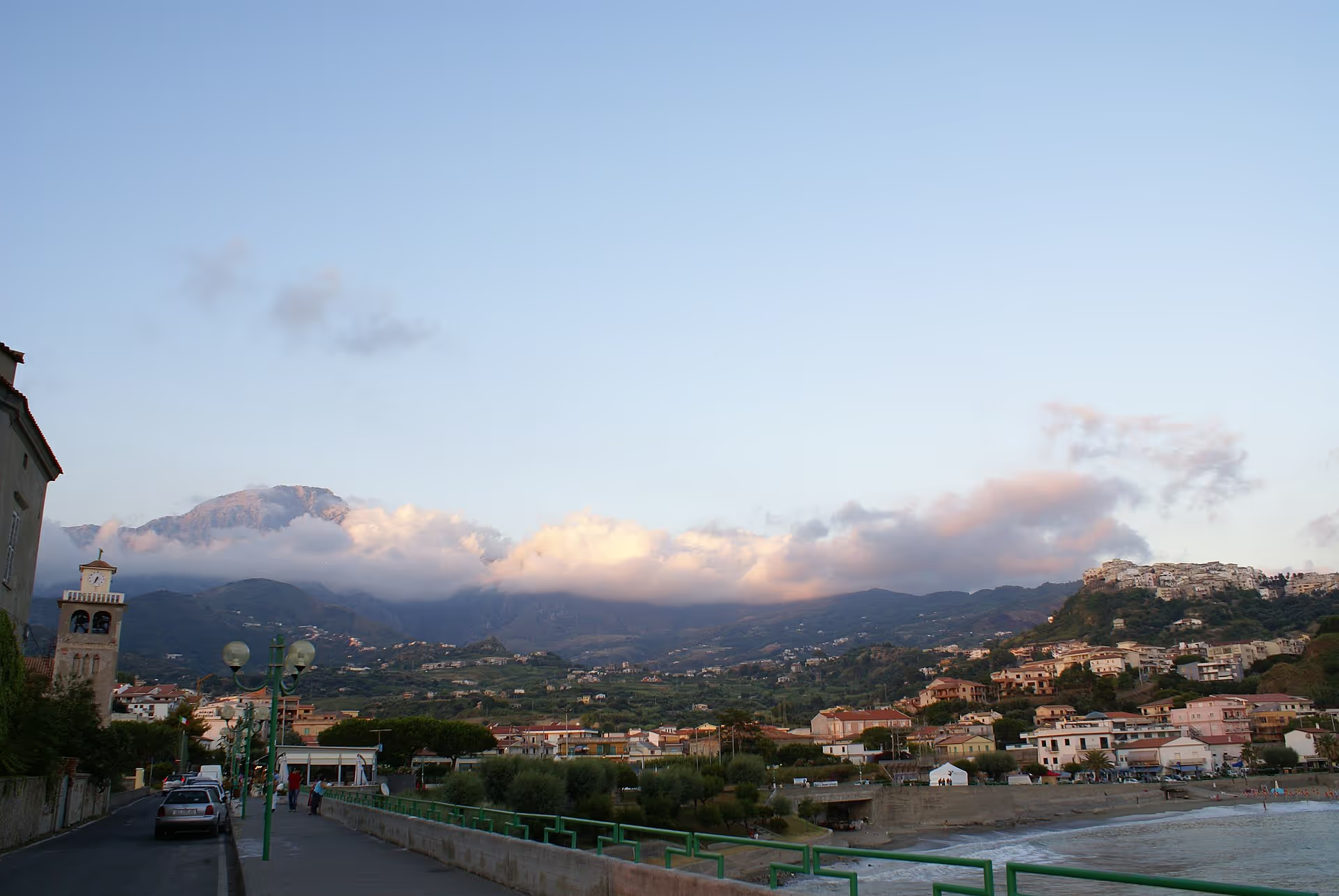
Borgo San Marco and Monte Serra
The beach hamlet founded in 1910 by Venetian settlers after the earthquake of 1908: lidos between the Mulini and Santa Maria di Mare, the garden of the vajanelle peppers and, behind, Monte Serra with the sanctuary of the Madonna.
- Old town
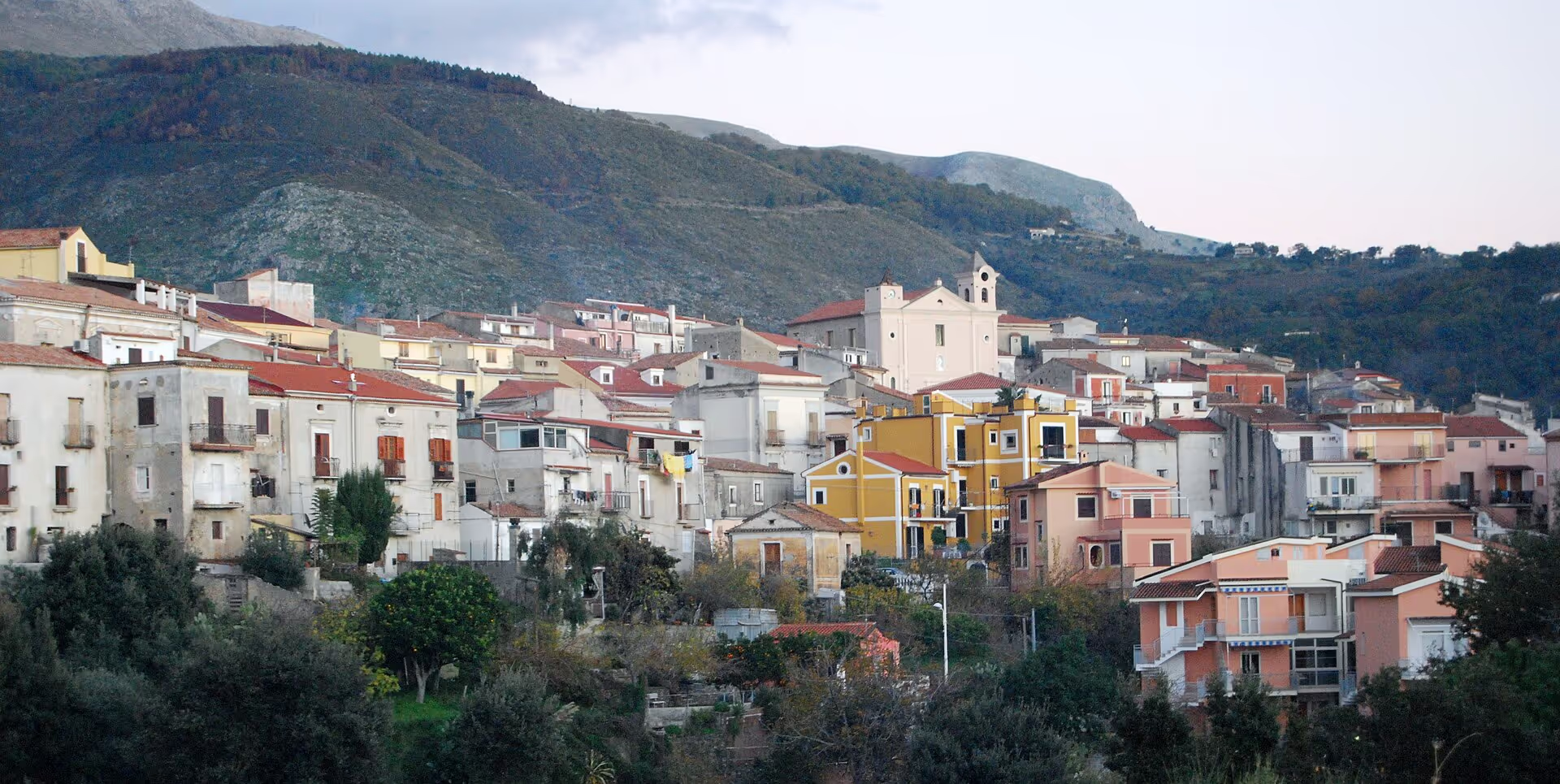
Old town of Cetraro
The Paese 120 metres above the Aron valley: the three gates of the fortified town, the little squares “a giorgia” and “miezzu a curta”, the Chiesa del Ritiro of 1454, San Nicola, the Capuchins and the Sette Mari fountain.
-
 Viewpoint
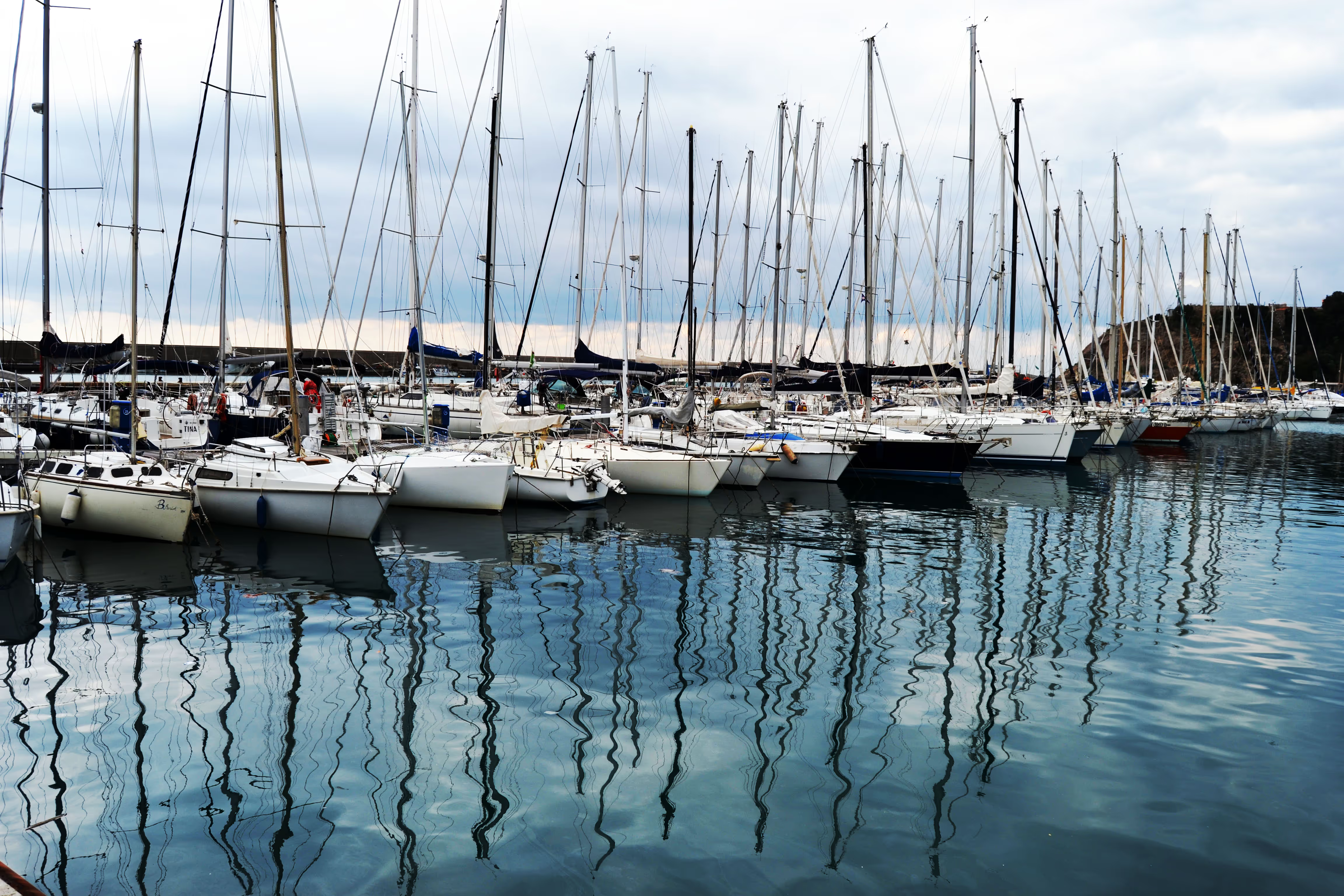
 Port of Cetraro
The port of the Marina, with its 450-metre breakwater and the Marina di San Benedetto yacht harbour: from here, on 11 July, the patron saint’s sea procession sets out.
Itineraries through here
-
 4 daysGrand tour
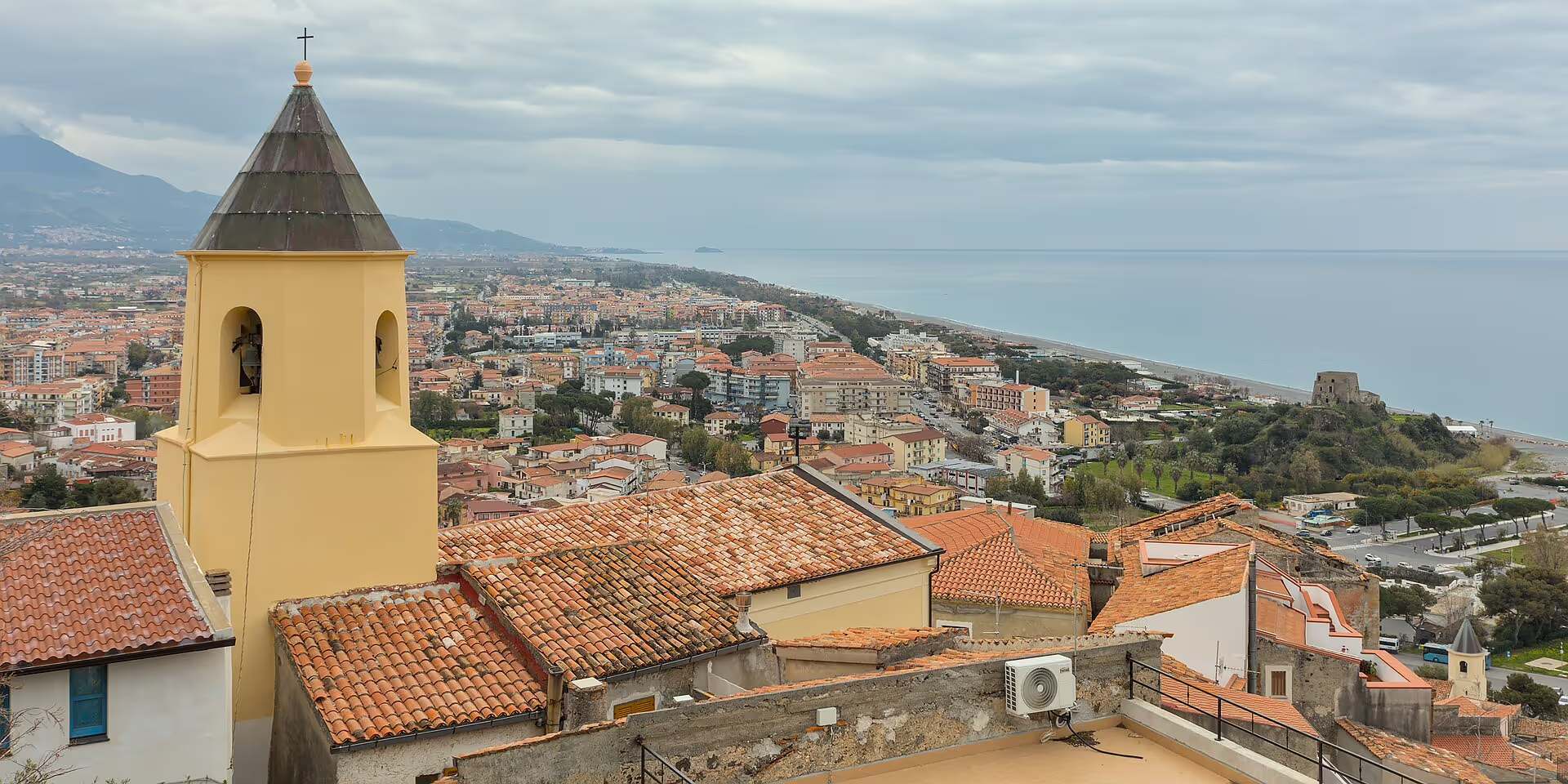
Grand Tour of the Riviera dei Cedri
Four days from north to south along the Upper Tyrrhenian Cosentino coast: islands, Norman towns, murals and sanctuaries.
11 stops8 townsMay–OctoberSee the stops -
 2 daysWellness & spa
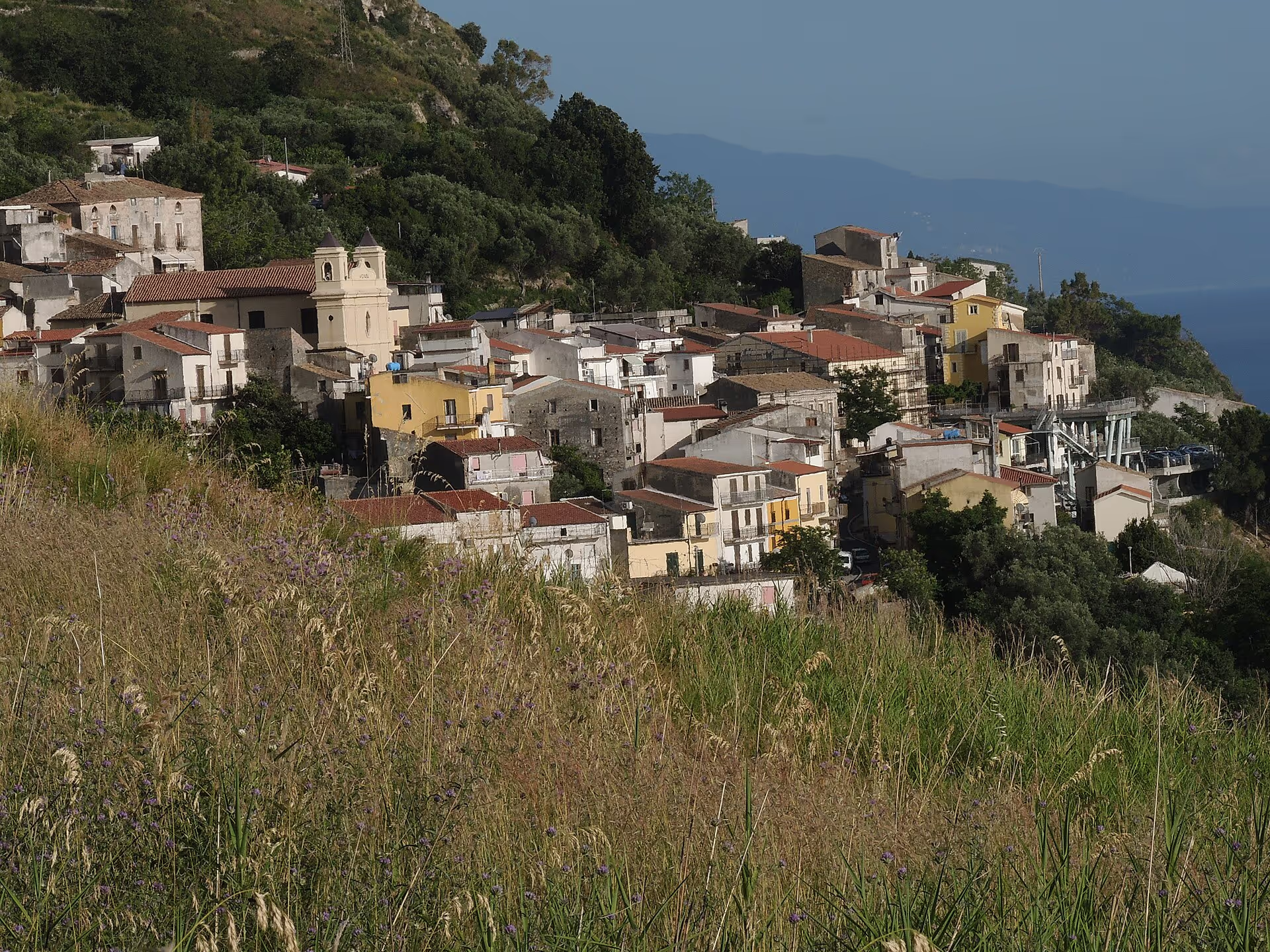
Wellness & spa
Two days among thermal waters, marina and towns of the Middle Tyrrhenian Cosentino area.
4 stops4 townsAll year roundSee the stops -
 4 daysSea & beaches
Four days on the Tyrrhenian coast
Four days devoted to the sea, from San Nicola Arcella to Cetraro: arches, islands, beaches and marina.
8 stops6 townsJune–SeptemberSee the stops -
 2 daysGrand tour
Flavours of the Riviera
Two days among citron, chilli pepper and harbour: the typical products of the Upper Tyrrhenian Cosentino coast.
4 stops3 townsAll year roundSee the stops -
 3 daysGrand tour
Flavours and traditions
Three days among citron, old towns and harbour: a journey through the flavours of the Upper Tyrrhenian Cosentino coast.
6 stops4 townsAll year roundSee the stops