 Culture
Upper Tyrrhenian Cosentino · Riviera dei Cedri
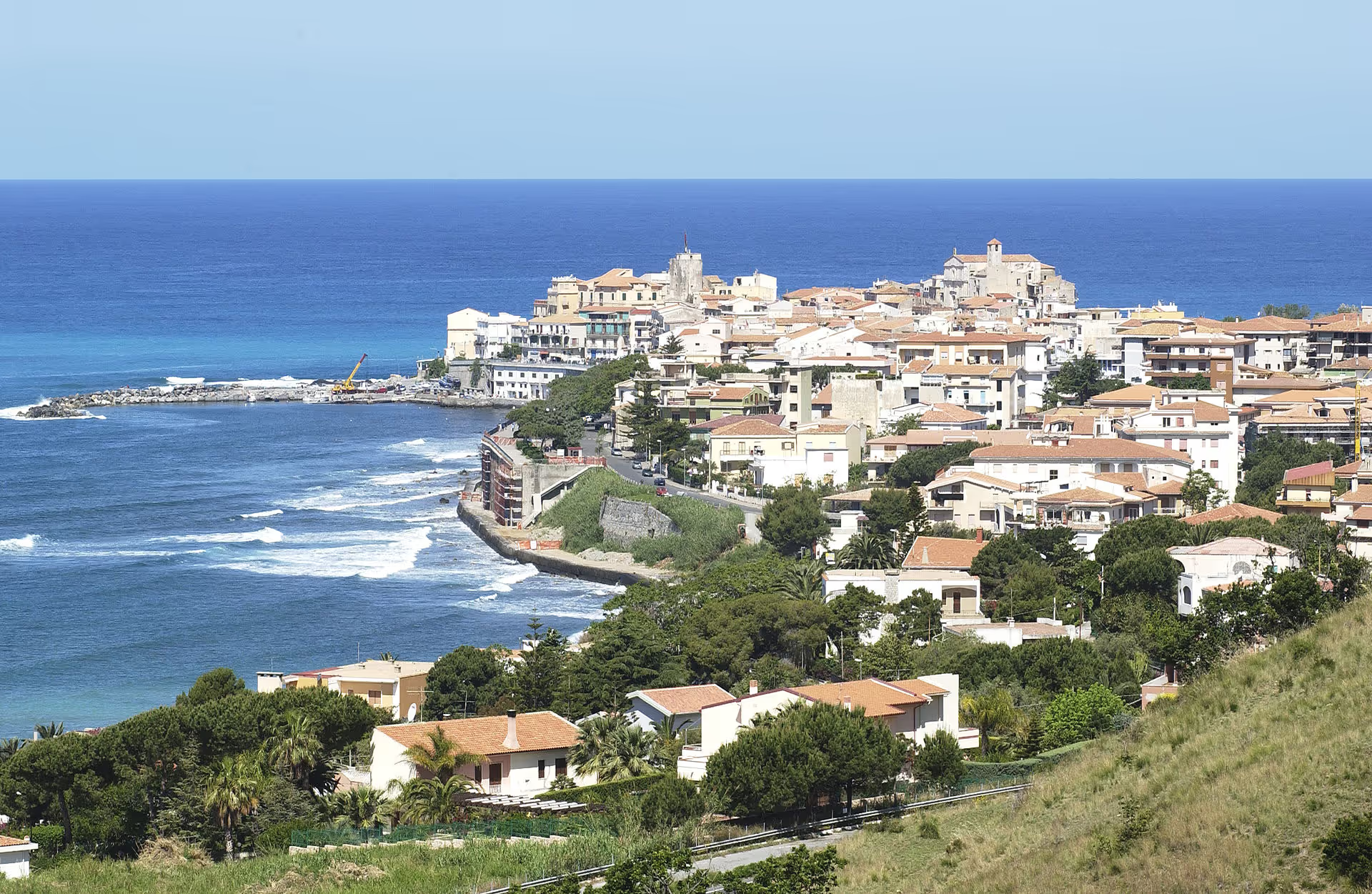
Ruins of Cirella and Teatro dei Ruderi
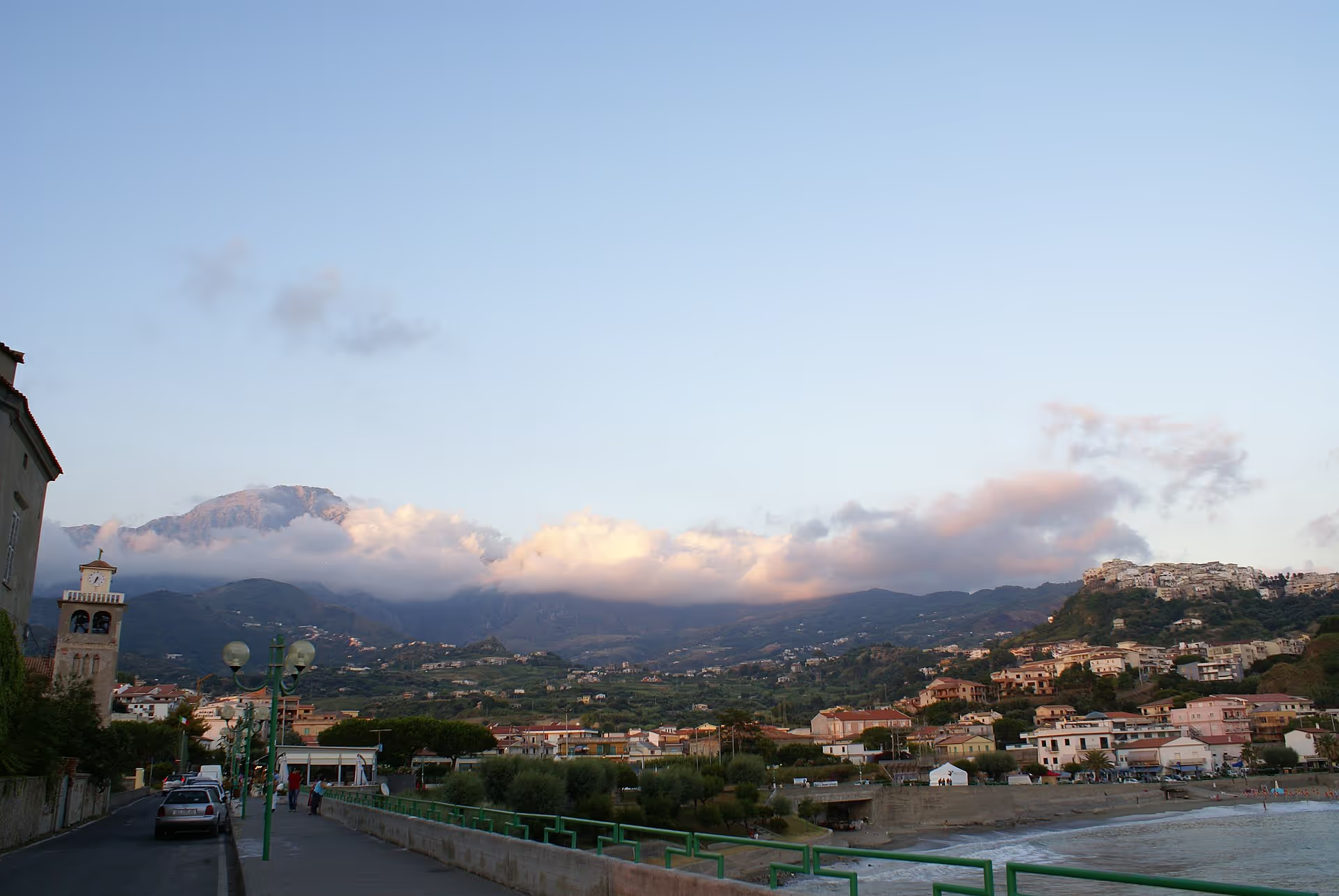
The abandoned medieval village on the hill of Cirella, with castle, Romanesque church, Monastery of the Minims and an open-air theatre.
On a hill 172 metres above the sea, behind the beach hamlet, the ruins of Cirella are what remains of a settlement founded between 850 and 1000 and inhabited until 1808, when its last parish priest left for the church of Santa Maria dei Fiori on the coast. Two years earlier the French fleet had bombarded the village, and in that same year, 1806, Napoleonic troops built a small fort to defend the coast. Among the ruins you can make out a castle, a church with a Romanesque bell tower and traces of frescoes; along the climb survive stretches of the walls with which the Sanseverino enclosed their estate, the Feudo, in the first half of the 18th century.
Next to the ruins stands the Monastery of the Minims, founded in 1545 with the church of the Madonna delle Grazie and left by the friars in 1810 after the Napoleonic laws suppressing religious orders; a restoration completed in 2018 returned it to worship and cultural events. Between the monastery and the ruins, the Teatro dei Ruderi (1994–1997), modelled on Greek theatres, hosts plays and concerts in summer. At the foot of the hill lies the Roman mausoleum, a monumental tomb of the 2nd–3rd century AD reused as a church and later as a farm store; the site is still under study.
Frequently asked questions
- The village was hit by the French fleet in 1806 and in 1808 the last parish priest left the hill for the church of Santa Maria dei Fiori on the coast.
- An open-air Greek-style theatre built between 1994 and 1997 between the ruins of Cirella and the Monastery of the Minims, used for summer performances.
Why was old Cirella abandoned?
What is the Teatro dei Ruderi?
More places in Diamante
-
 Nature
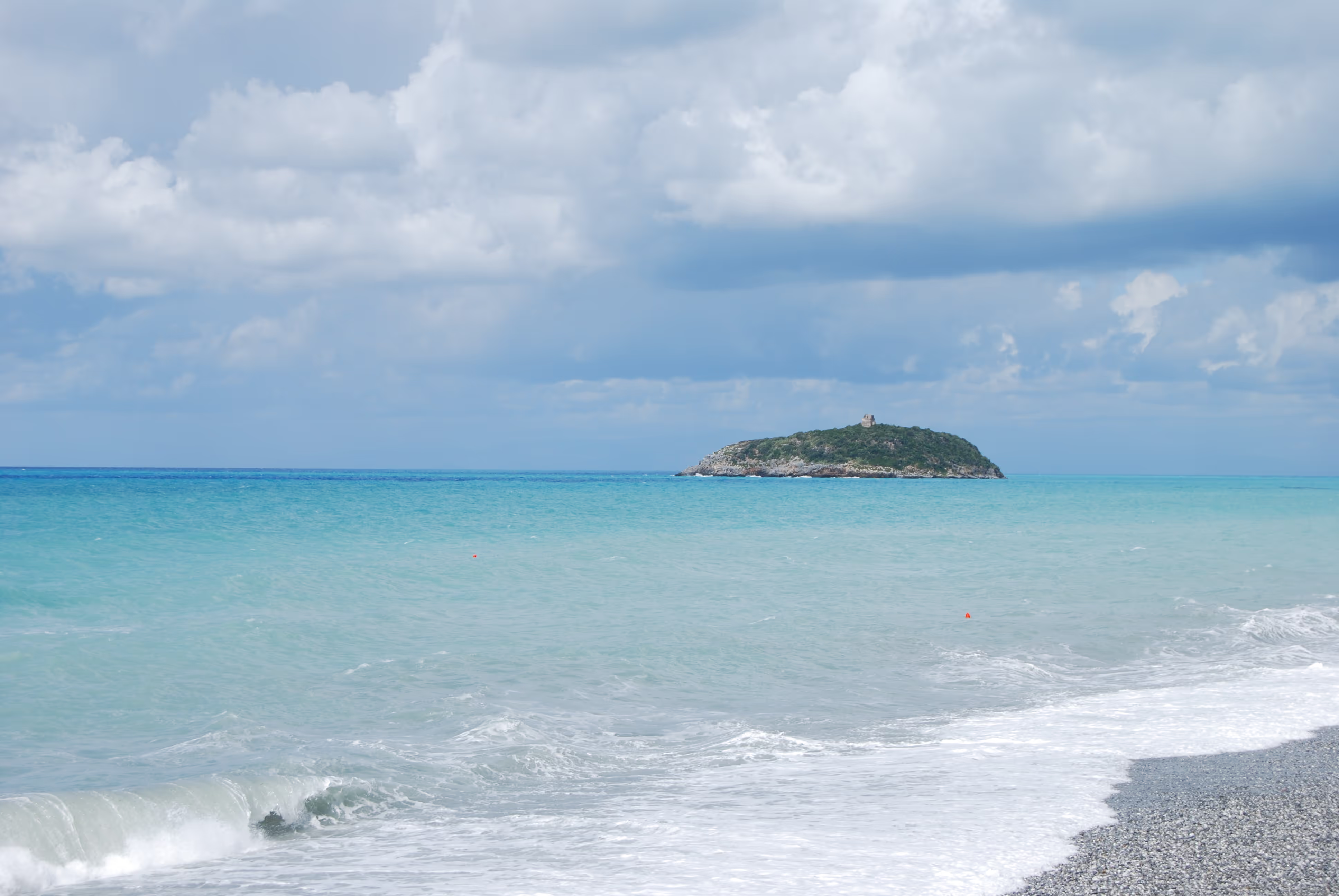
 Island of Cirella
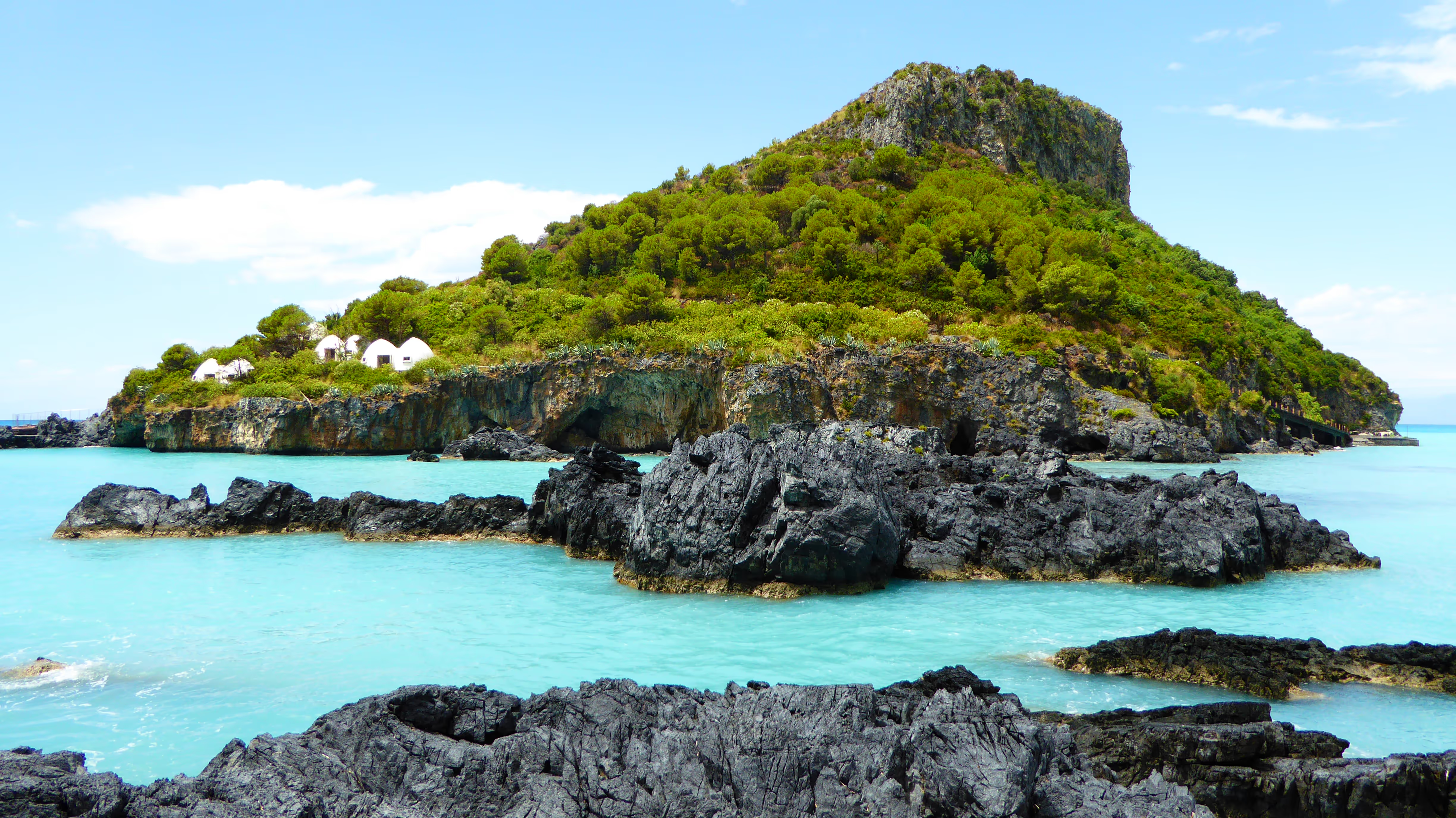
The islet facing Cirella, one of only two islands in Calabria, with a watchtower on top.
-
 Culture
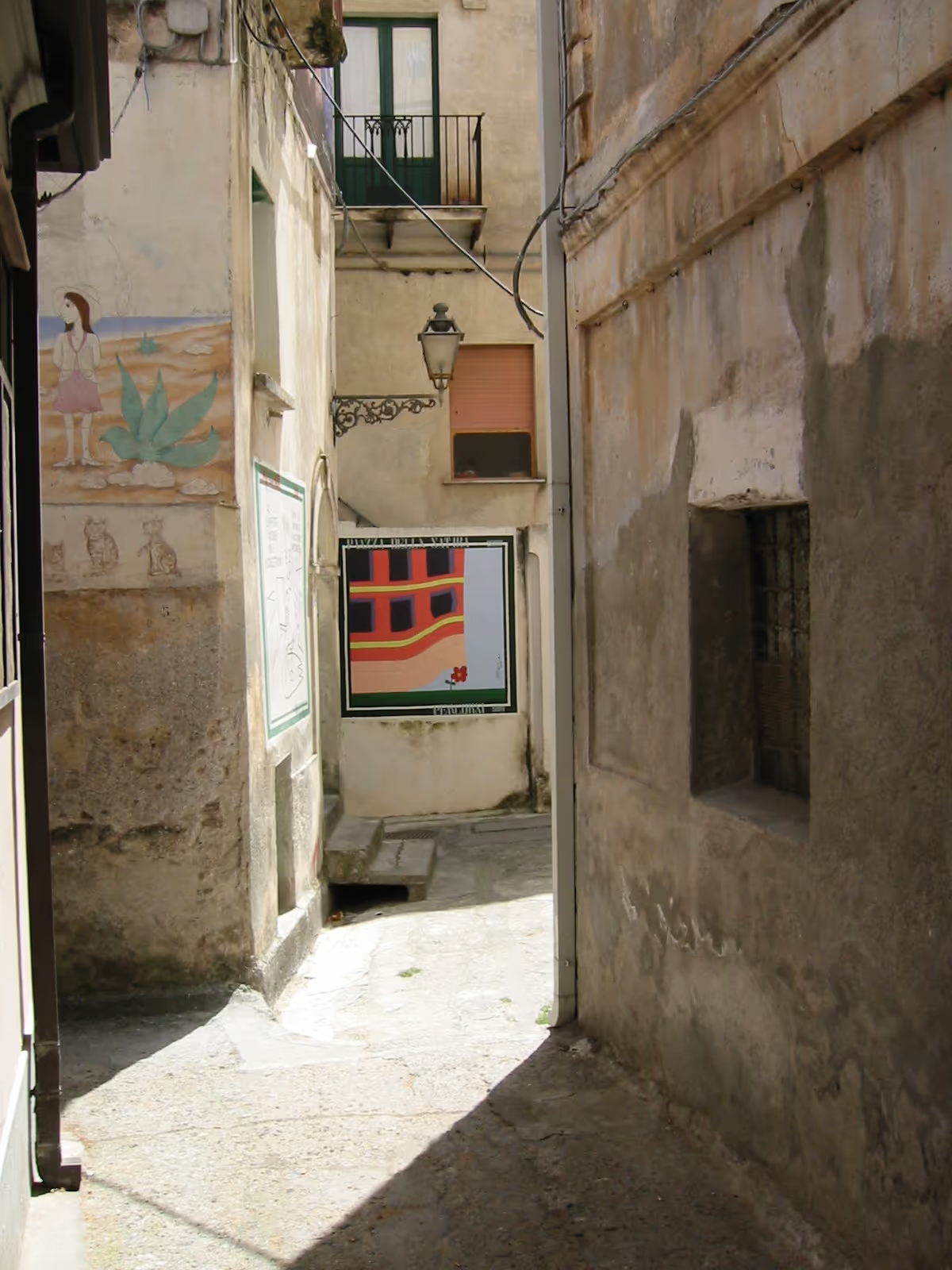
 The murals of Diamante
The wall paintings that since 1981 have turned the alleys of Diamante and Cirella into an open-air gallery.
- Culture
Torre del Semaforo
The 16th-century tower overlooking Diamante’s old town, today a museum and information point.
Itineraries through here
-
 4 daysGrand tour
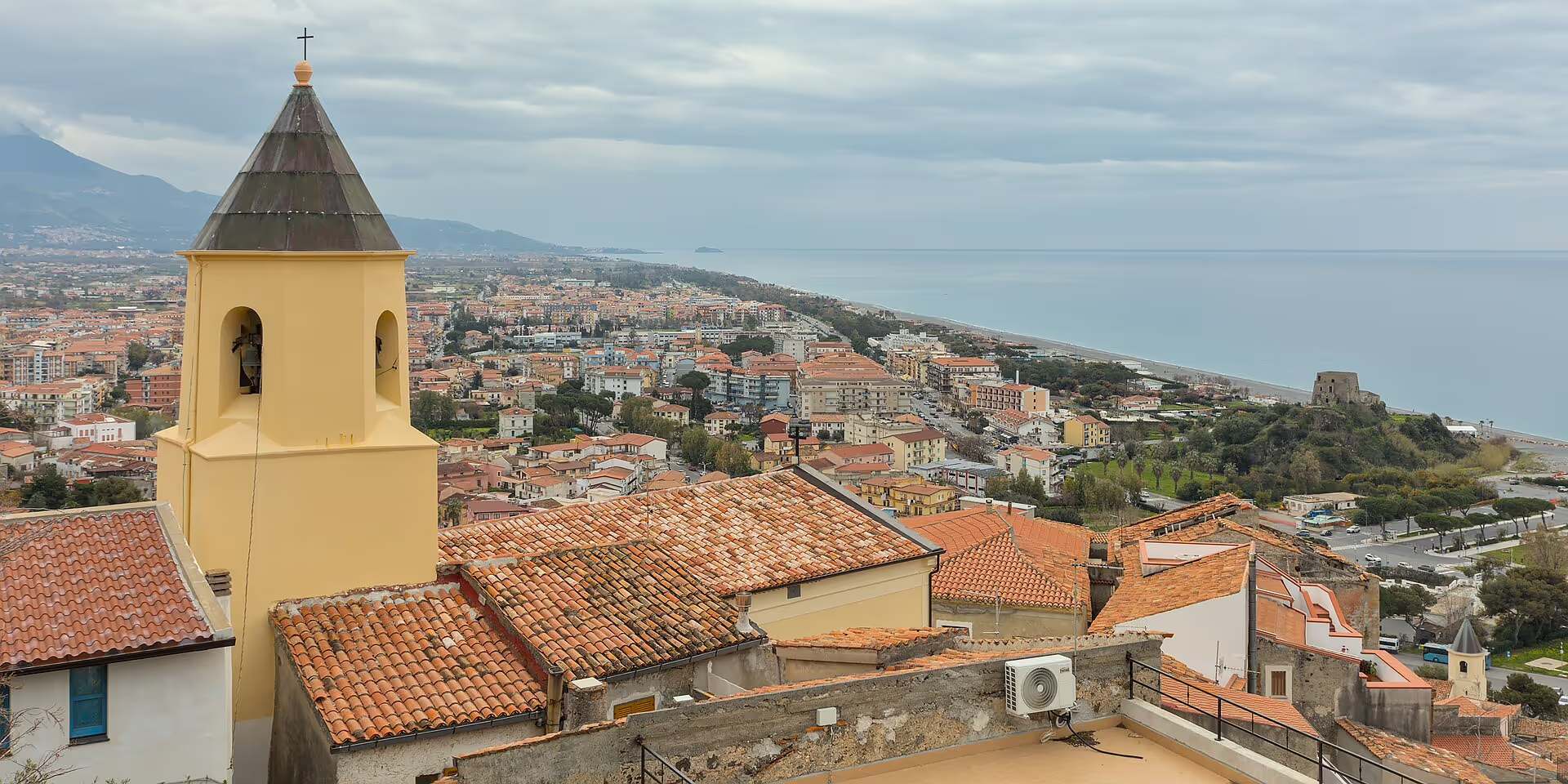
Grand Tour of the Riviera dei Cedri
Four days from north to south along the Upper Tyrrhenian Cosentino coast: islands, Norman towns, murals and sanctuaries.
11 stops8 townsMay–OctoberSee the stops - 2 daysSea & beaches
Sea & beaches
Two days among rock arches, islands and lidos of the Cosentino Tyrrhenian coast.
4 stops4 townsJune–SeptemberSee the stops -
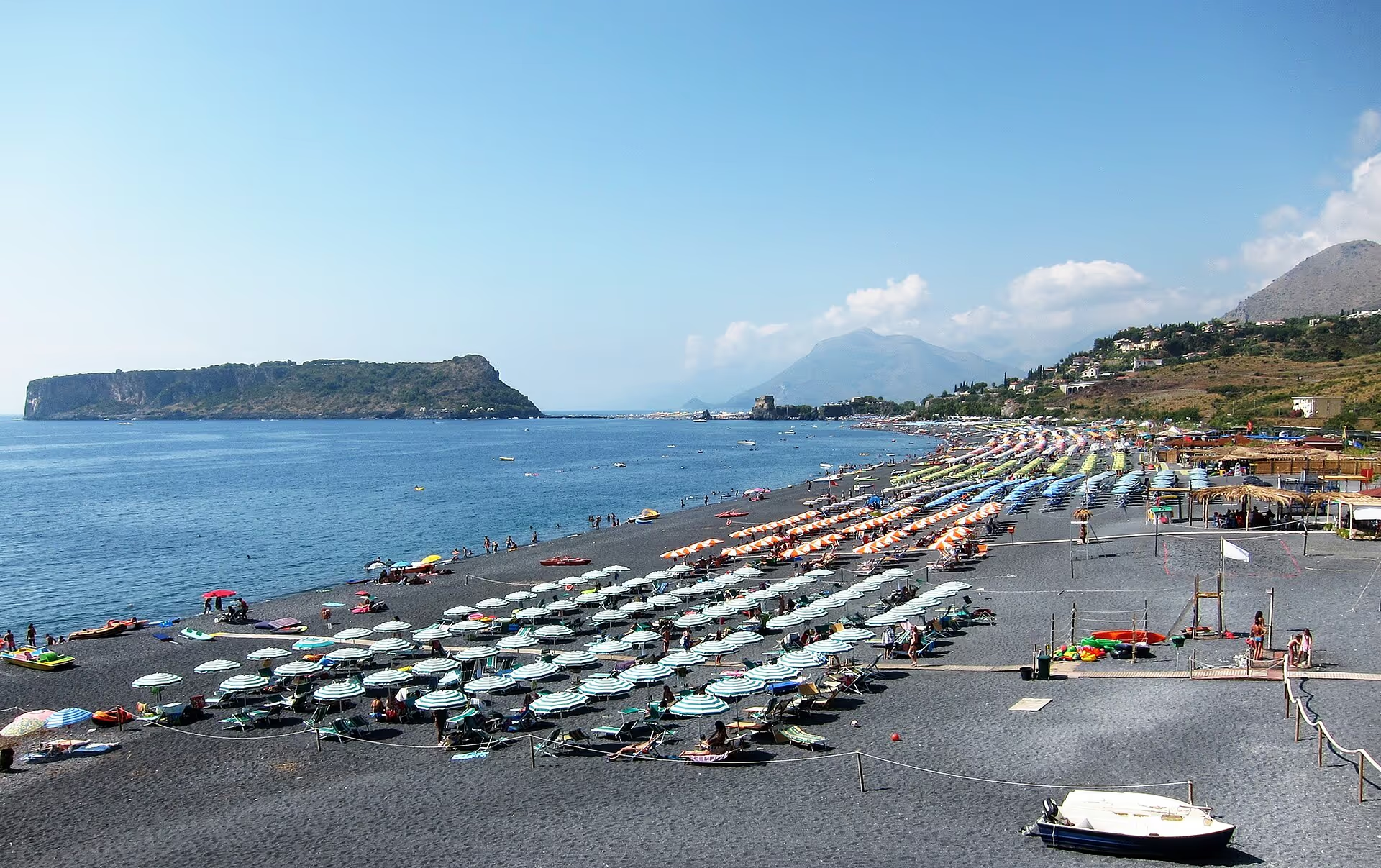 3 daysSea & beaches
Three days by the sea
Three days along the Tyrrhenian coast: islands, rock arches and beaches from north to south.
6 stops5 townsJune–SeptemberSee the stops -
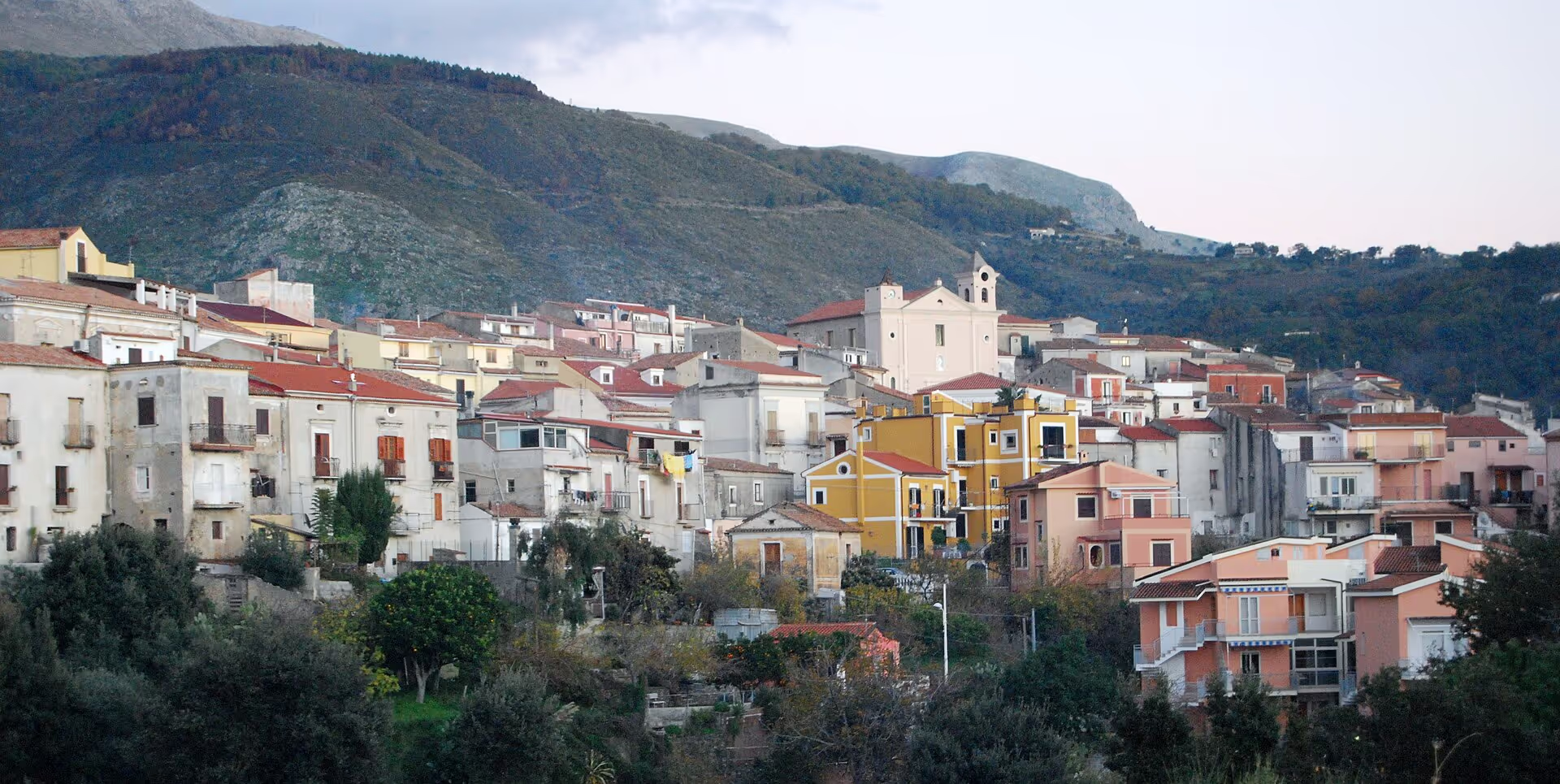 4 daysSea & beaches
Four days on the Tyrrhenian coast
Four days devoted to the sea, from San Nicola Arcella to Cetraro: arches, islands, beaches and marina.
8 stops6 townsJune–SeptemberSee the stops -
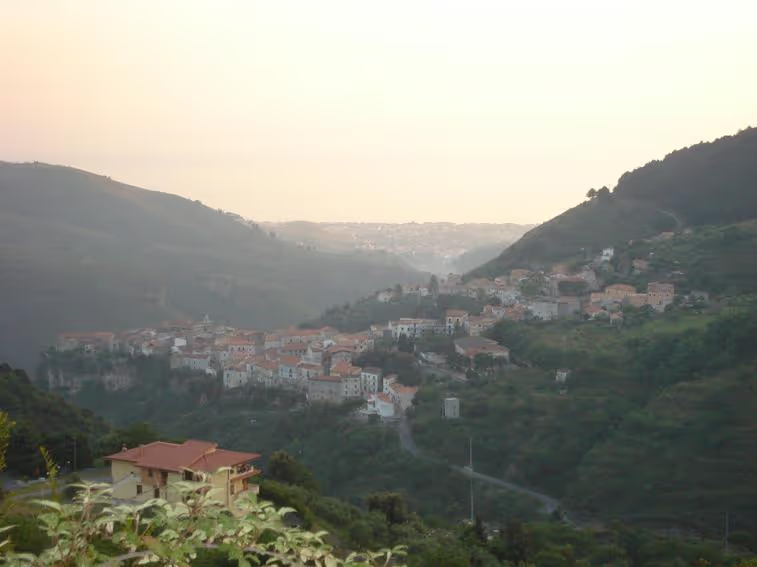 2 daysTowns & history
Weekend in the old towns
Two days among museum, stone village and murals: history and art without a devotional focus.
4 stops3 townsAll year roundSee the stops -
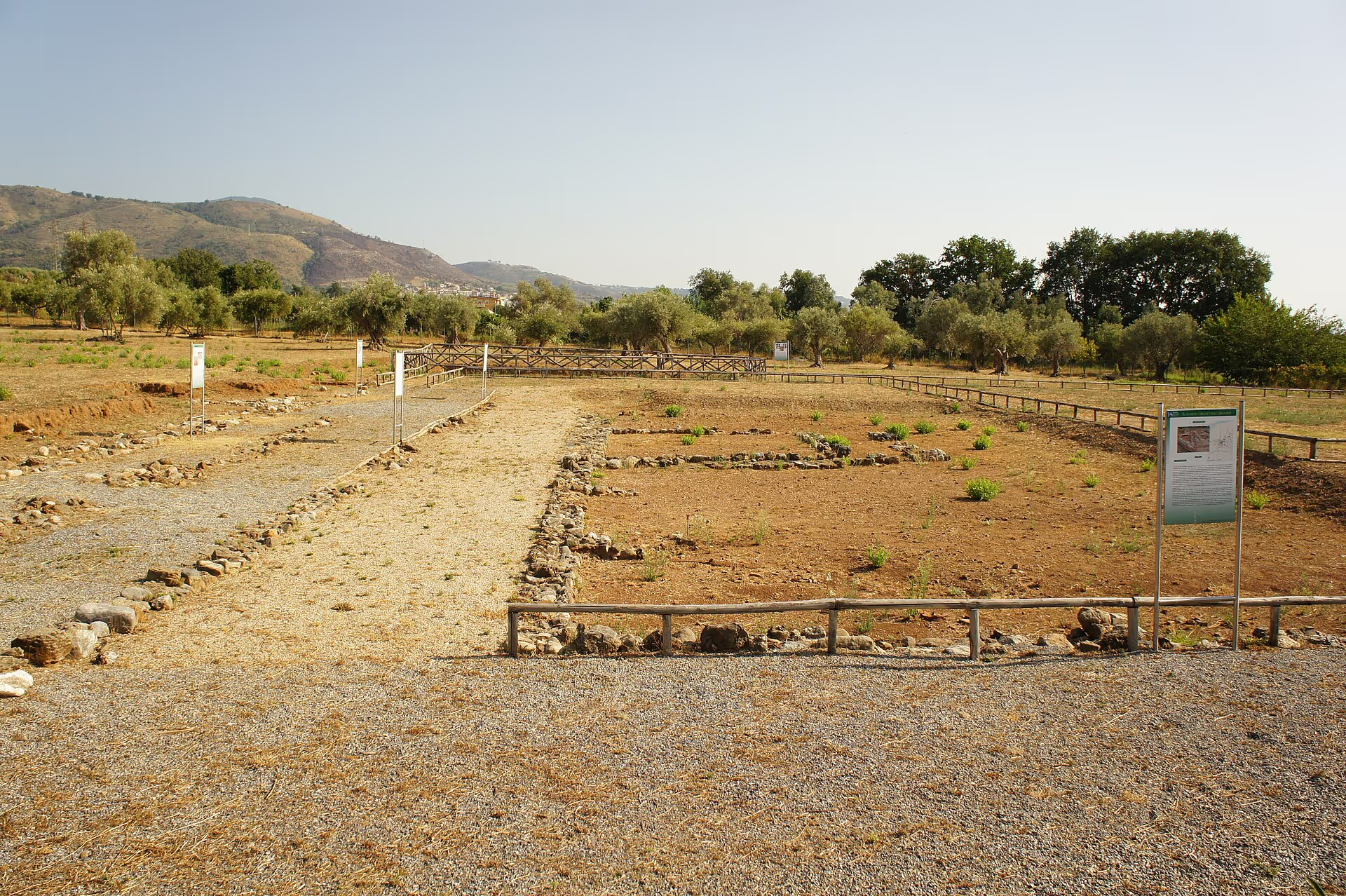 2 daysGrand tour
Flavours of the Riviera
Two days among citron, chilli pepper and harbour: the typical products of the Upper Tyrrhenian Cosentino coast.
4 stops3 townsAll year roundSee the stops -
 3 daysGrand tour
Flavours and traditions
Three days among citron, old towns and harbour: a journey through the flavours of the Upper Tyrrhenian Cosentino coast.
6 stops4 townsAll year roundSee the stops -
 3 daysFamily
Family on the coast
Three easy days for families: beaches, murals and a boat trip to the island of Dino.
6 stops3 townsJune–SeptemberSee the stops