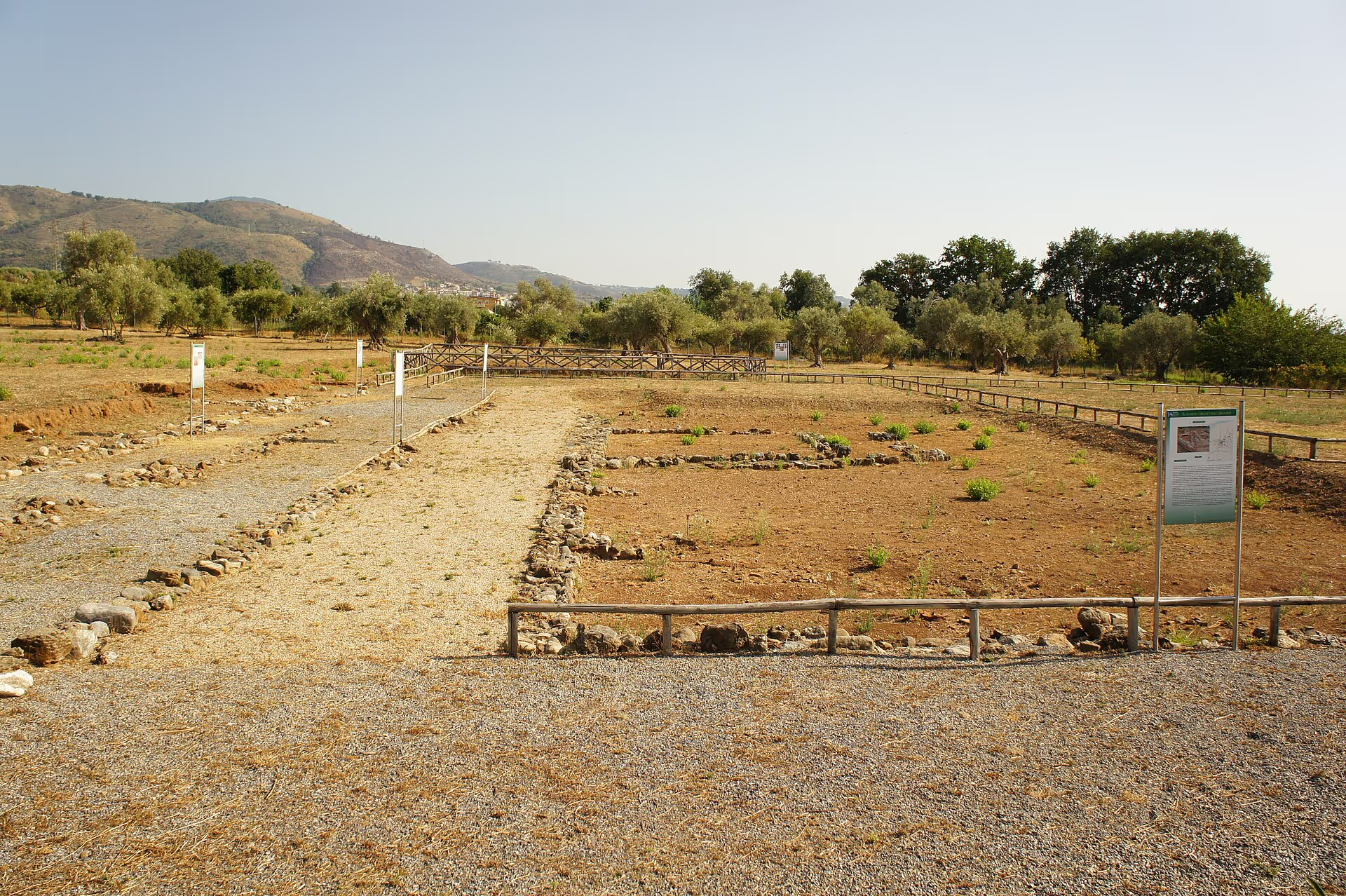
 Santa Maria del Cedro
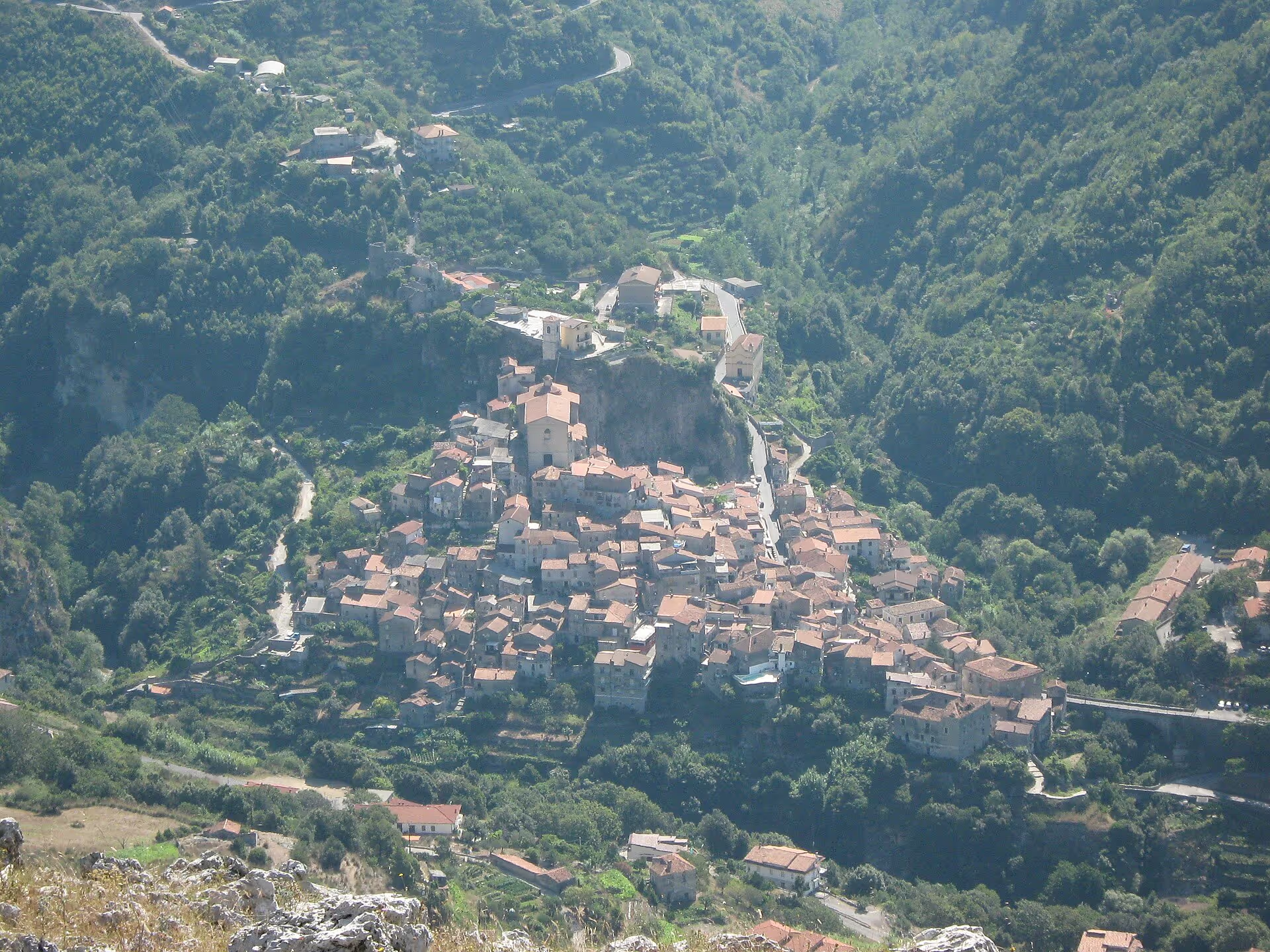
 Abatemarco and the Castle of San Michele
The medieval settlement destroyed by a flood in the 17th century, with the ruins of the castle and the Norman aqueduct: Santa Maria del Cedro was born from here.
Riviera dei Cedri · Calabria
36 places across 21 towns, selected and fact-checked by the ALTICOS editorial team against open sources. Each entry tells the story of the place, shows the town and the map, and links to the ready-made itineraries that pass through it.
Santa Maria del Cedro The medieval settlement destroyed by a flood in the 17th century, with the ruins of the castle and the Norman aqueduct: Santa Maria del Cedro was born from here.
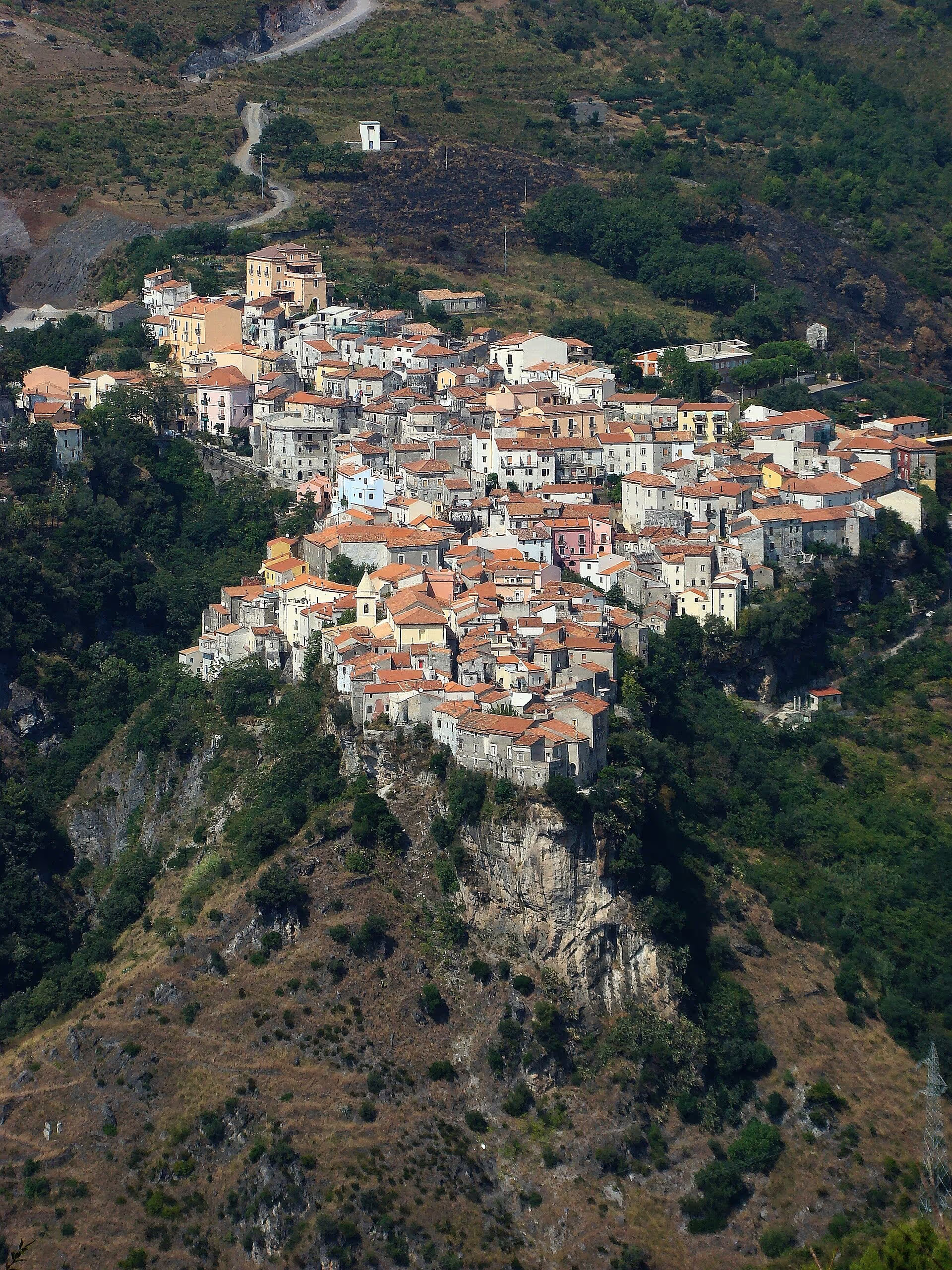 Aieta
Aieta The archaeological site of Aieta’s first settlement, on Monte Calimaro: the Lucanians’ lookout post, strengthened by the Byzantines against Goths and Lombards and abandoned after the Normans.
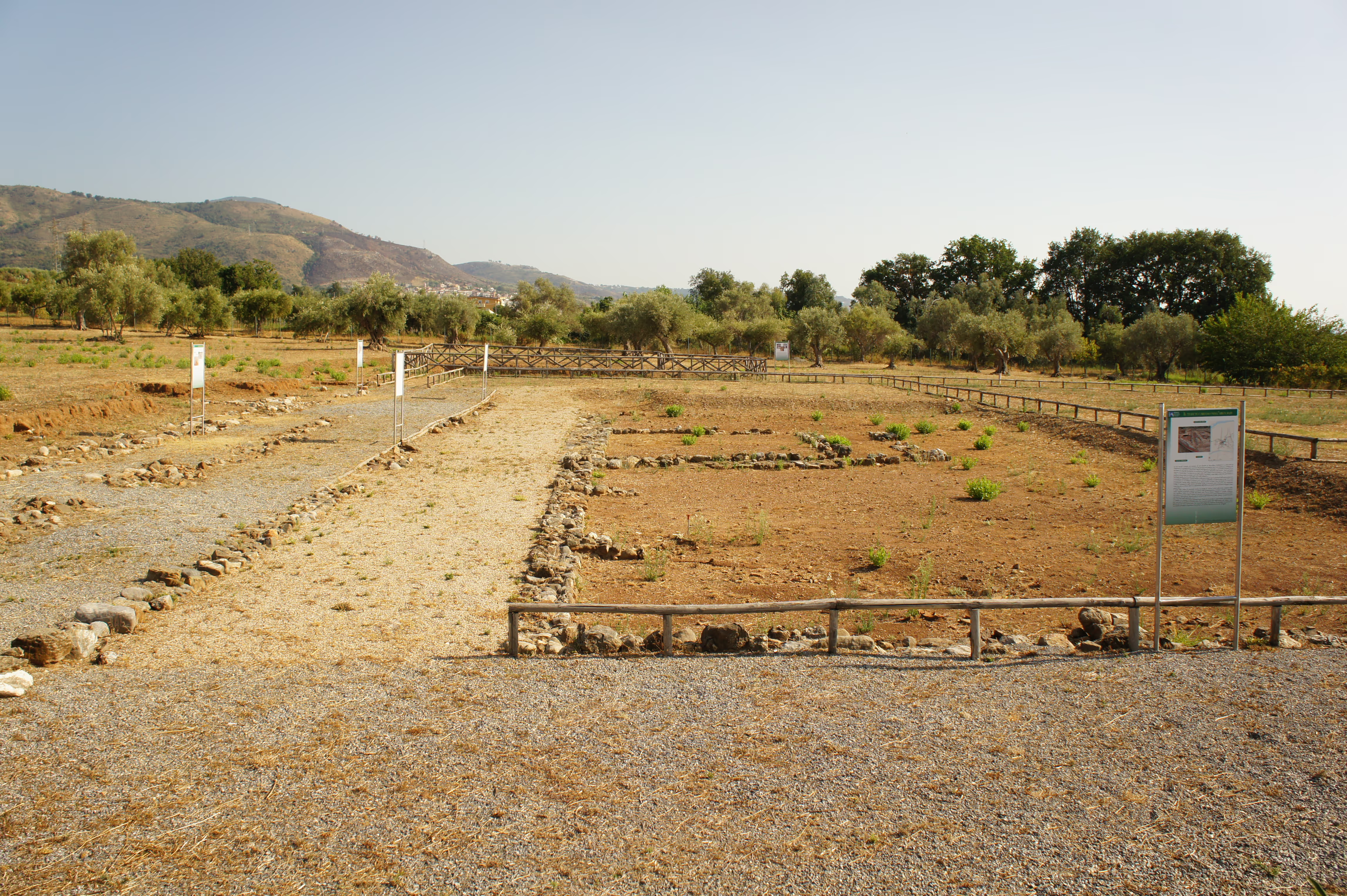 Santa Maria del Cedro
 The remains of the Magna Graecia city founded by refugees from Sybaris, on the hill above Marcellina: “as large as Pompeii” according to Strabo.
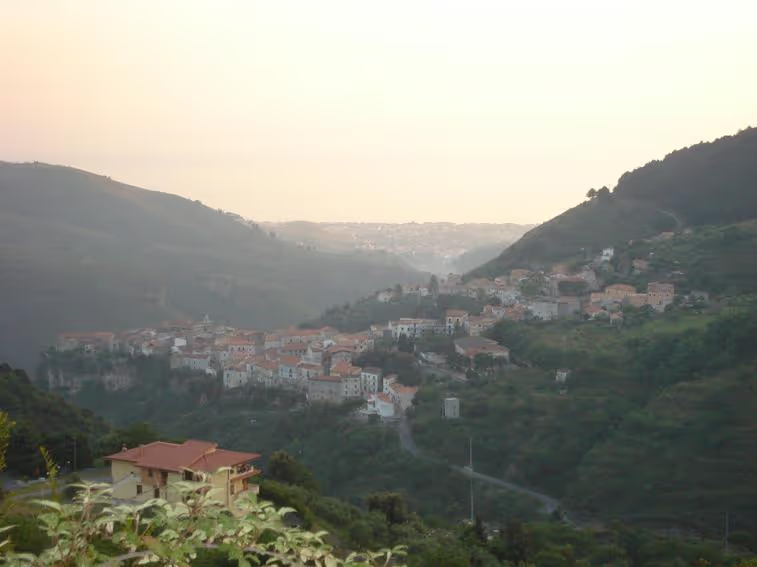 Tortora
 The hill where the Oenotrian, Lucanian and Roman city of Blanda Julia rose, with its walls, forum, three small temples and the San Brancato necropolis: the site identified in 1891 and excavated from 1990.
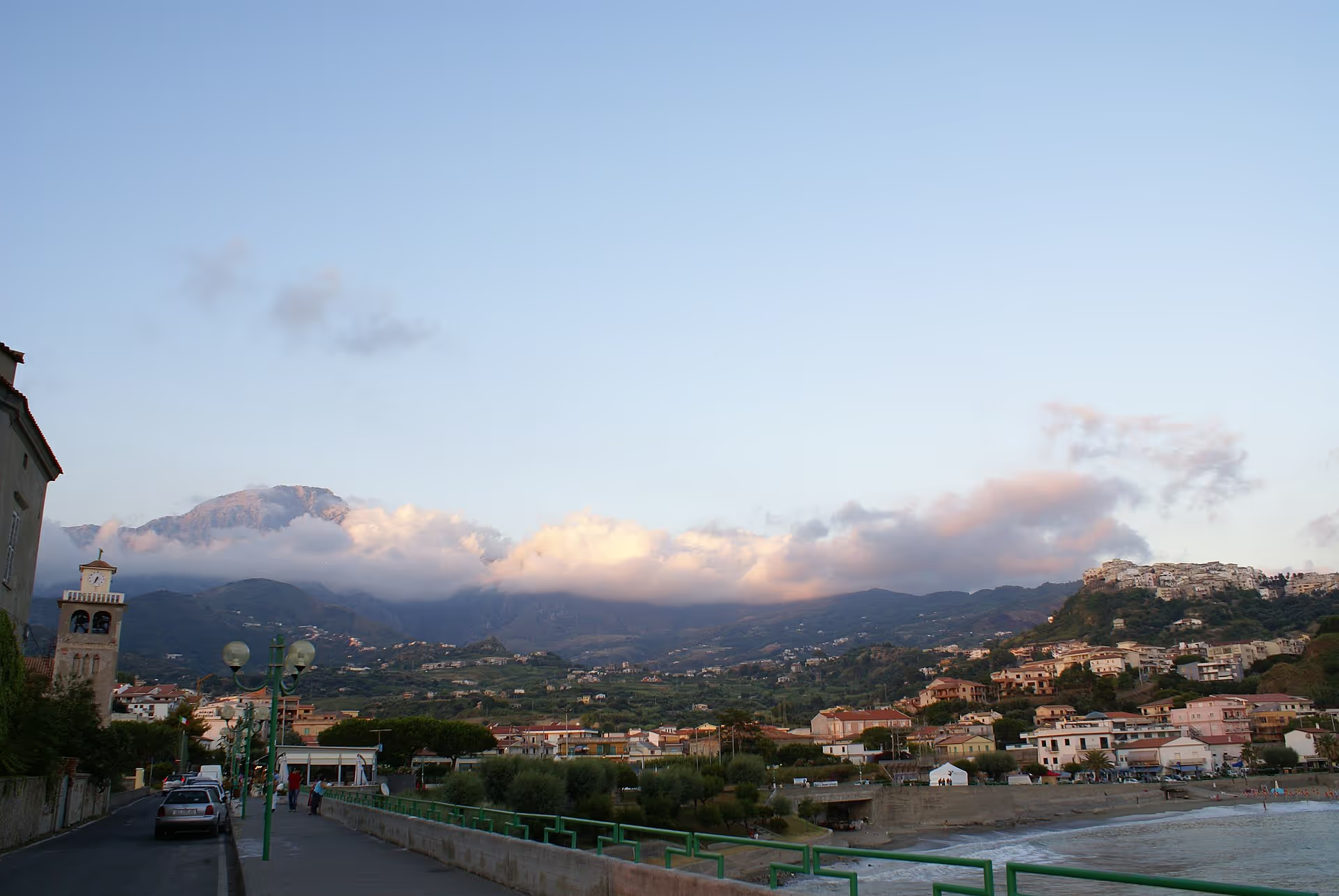 Belvedere Marittimo
 The headland of Belvedere’s Marina where in 1956 Bruttian burials of the 4th–3rd century BC came to light and, on the Cotura plain, a Roman villa d’otium.
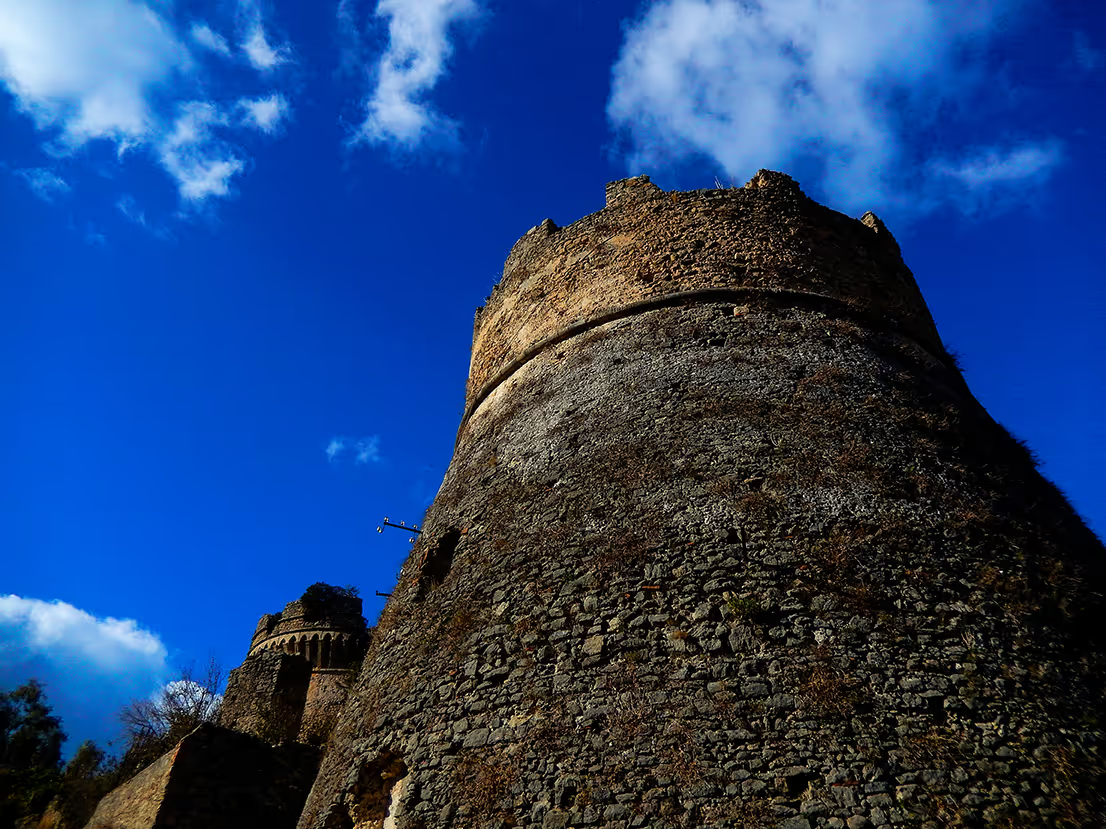 Belvedere Marittimo
 The Sanseverino fortress dominating the medieval village: Norman core, Angevin residence and Renaissance forms of 1490, with the coat of arms of Ferrante of Aragon on the gate.
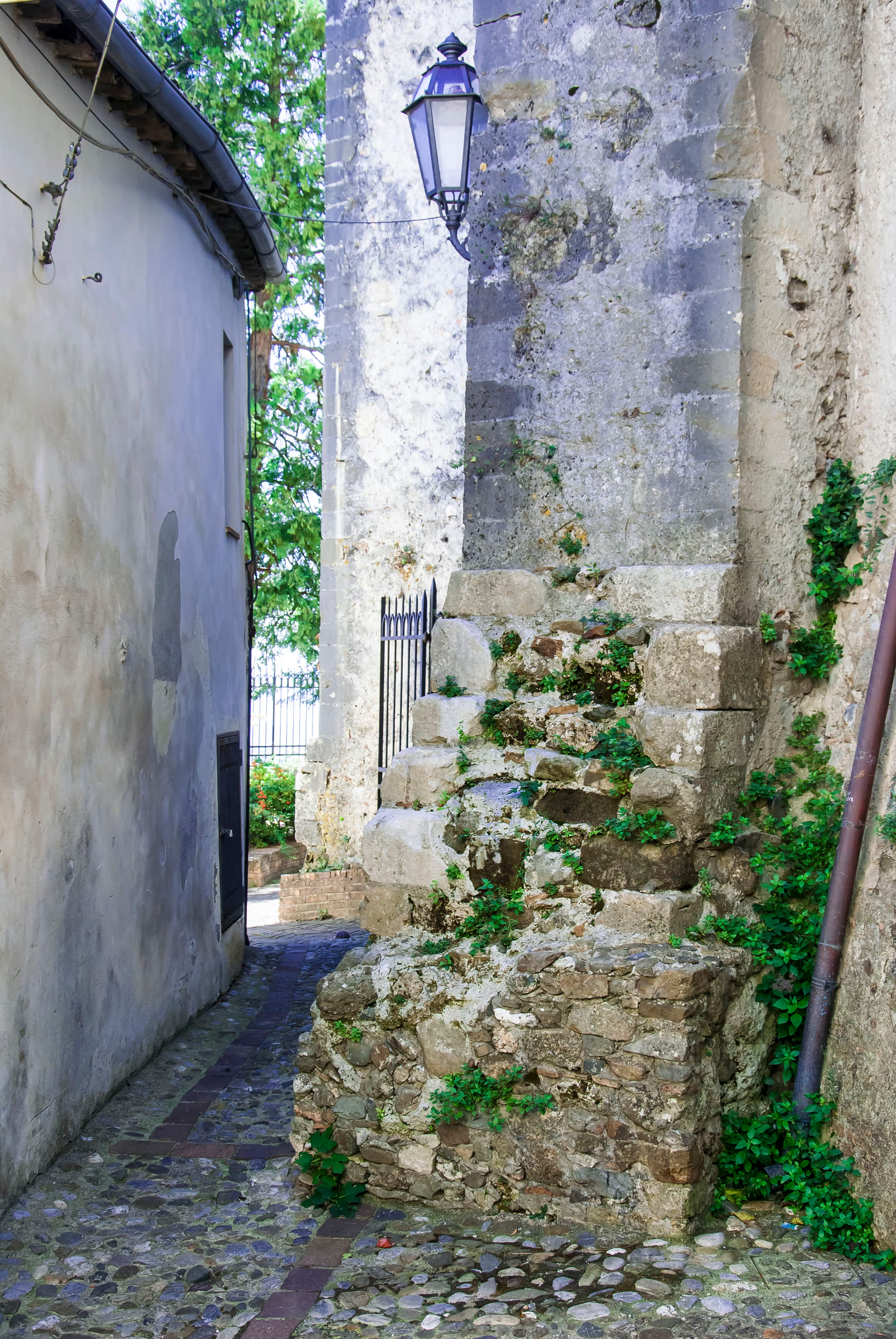 Sangineto
 The castle of the Sanseverino princes of Bisignano (second half of the 15th century), rectangular with a wide arcade: in the courtyard, the olive tree planted by Austrian prisoners on 4 November 1918.
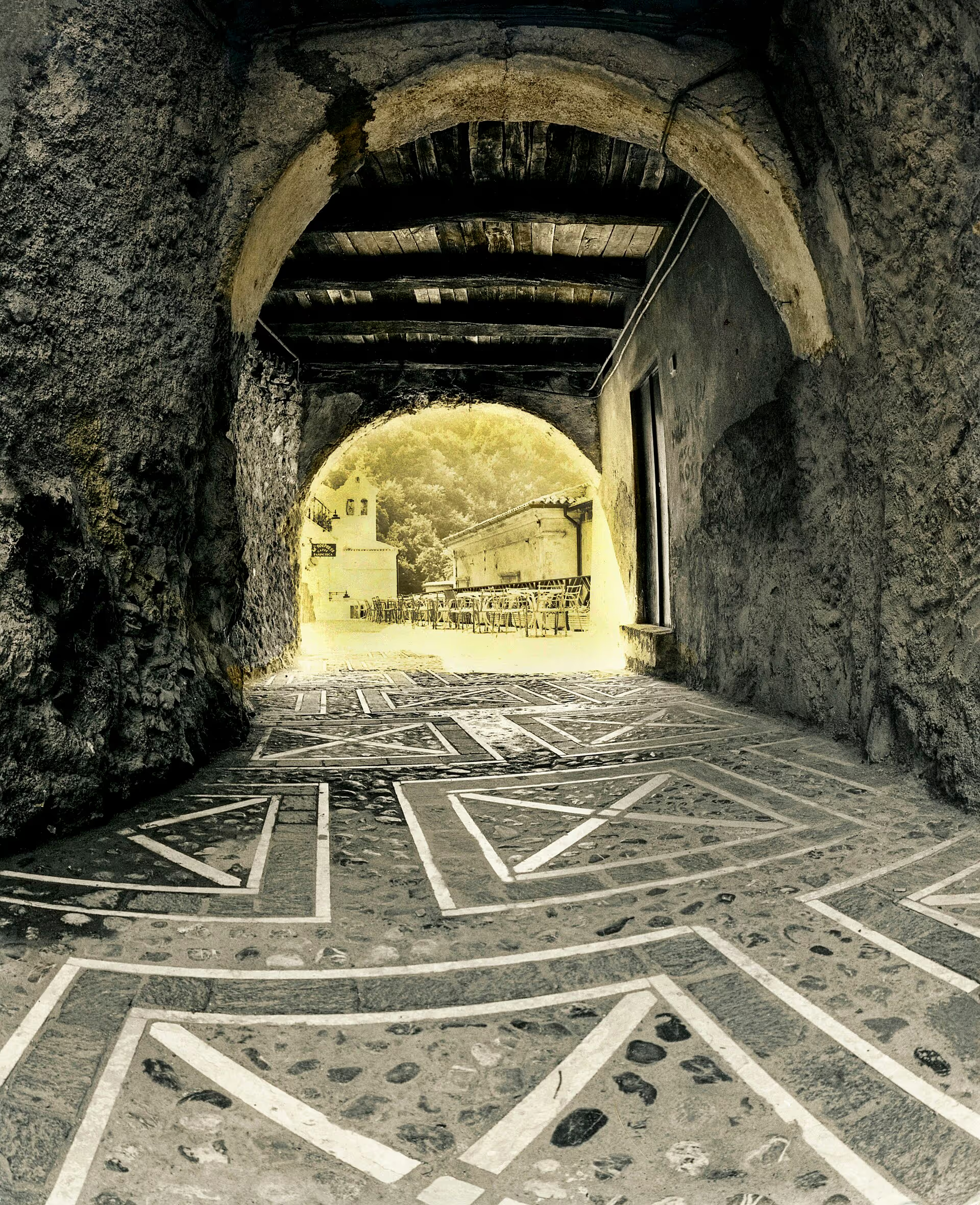 Buonvicino
 The cave of Venicelle at the foot of Monte Romano, on the Corvino, where Abbot Ciriaco, a disciple of Saint Nilus, withdrew to pray: destination of the 17 September pilgrimage.
 Cetraro
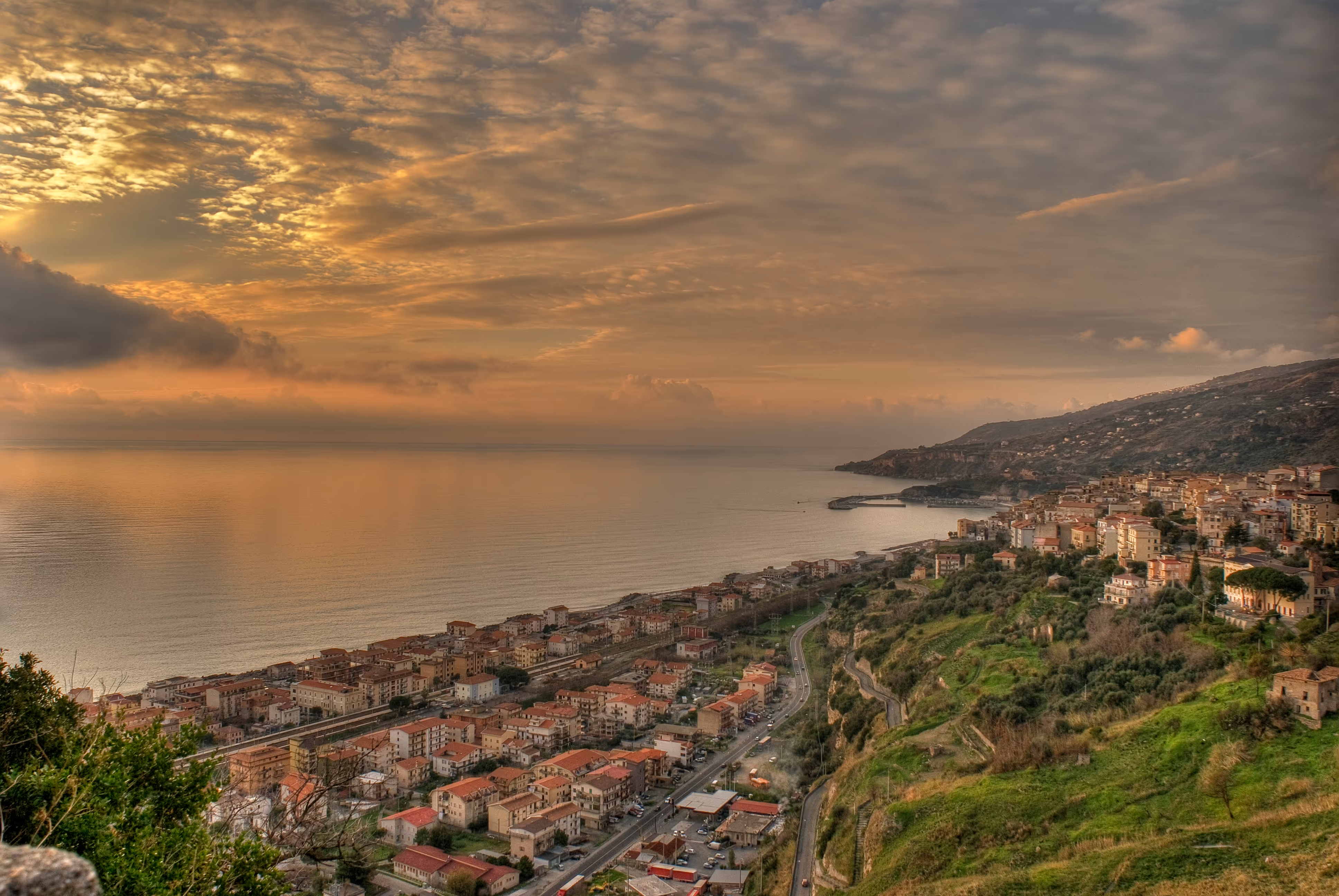
 The mother church founded by the monks of Montecassino, recorded from 1104 and remade in Baroque forms in the 18th century: medieval tower, wooden choir and one of the finest organs in Calabria.
 Scalea
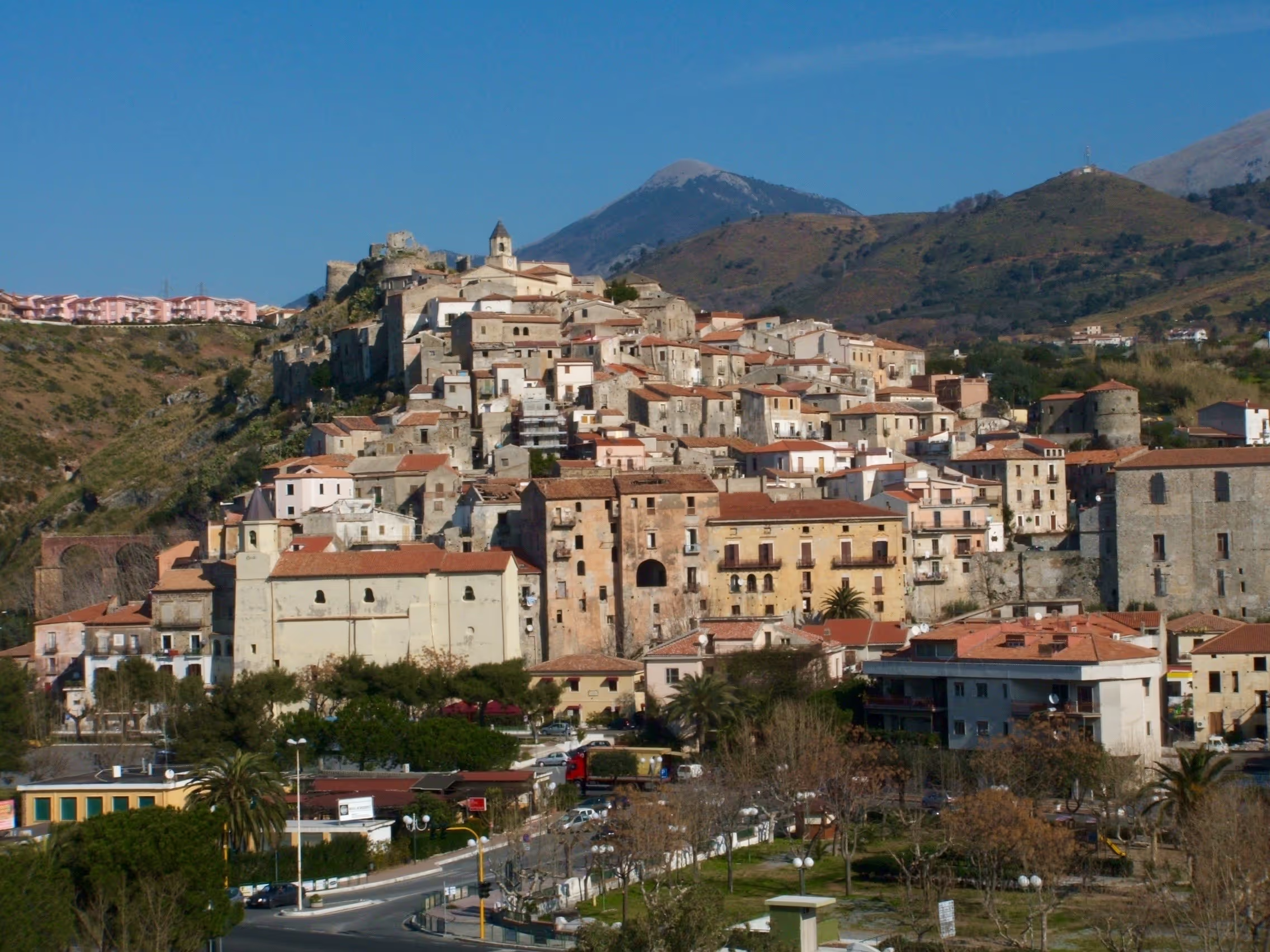
 The “lower church” of Scalea’s old town, recorded from the 8th century: the 17th-century painting by Giovanni Bernardo Azzolino and, in the chapel of St Catherine, the funerary monument of Admiral Ademaro Romano.
 Scalea
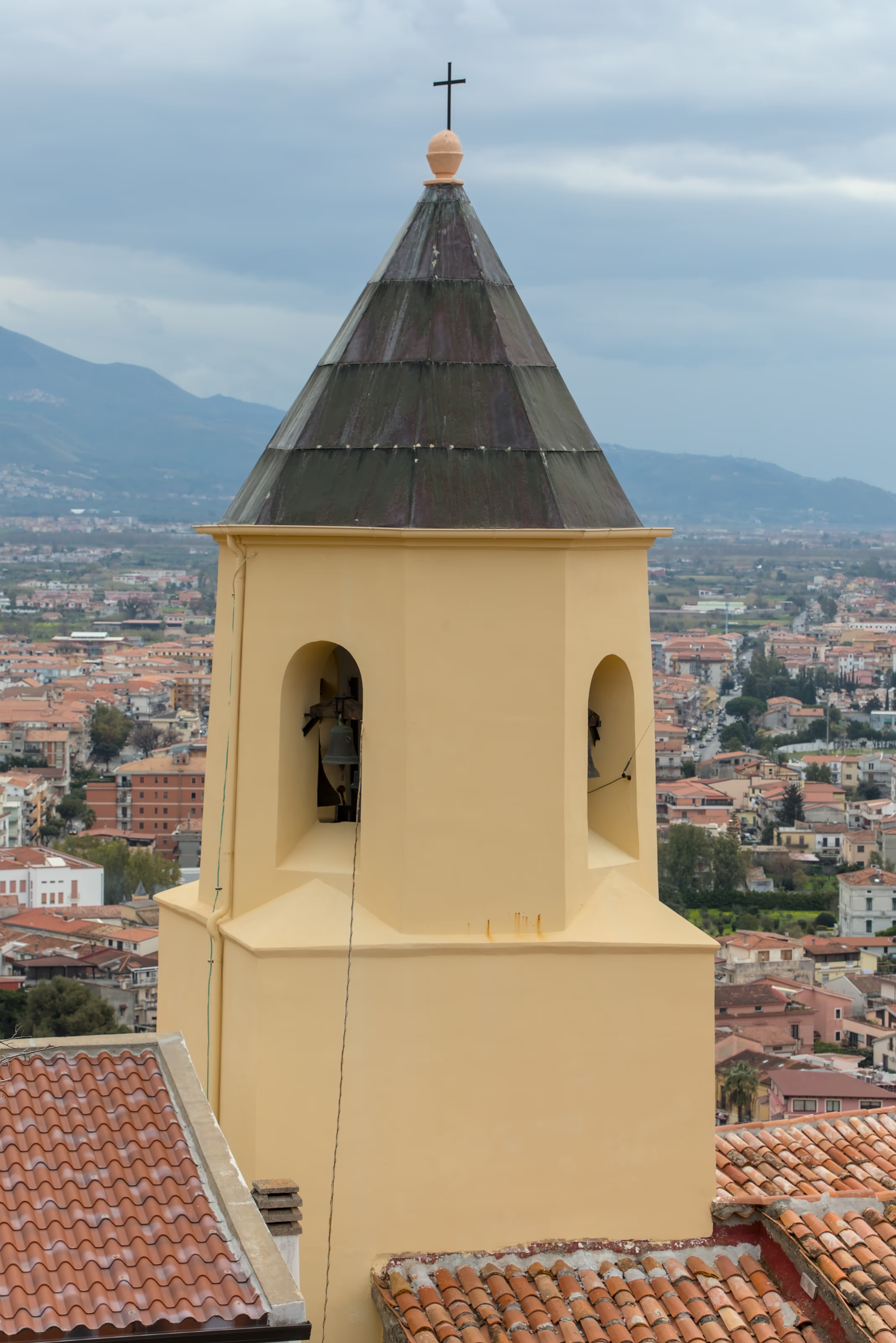
 The main church of Scalea's old town, dedicated to the Madonna del Carmine, patron of the city; its origins date back to the 8th century.
 Orsomarso
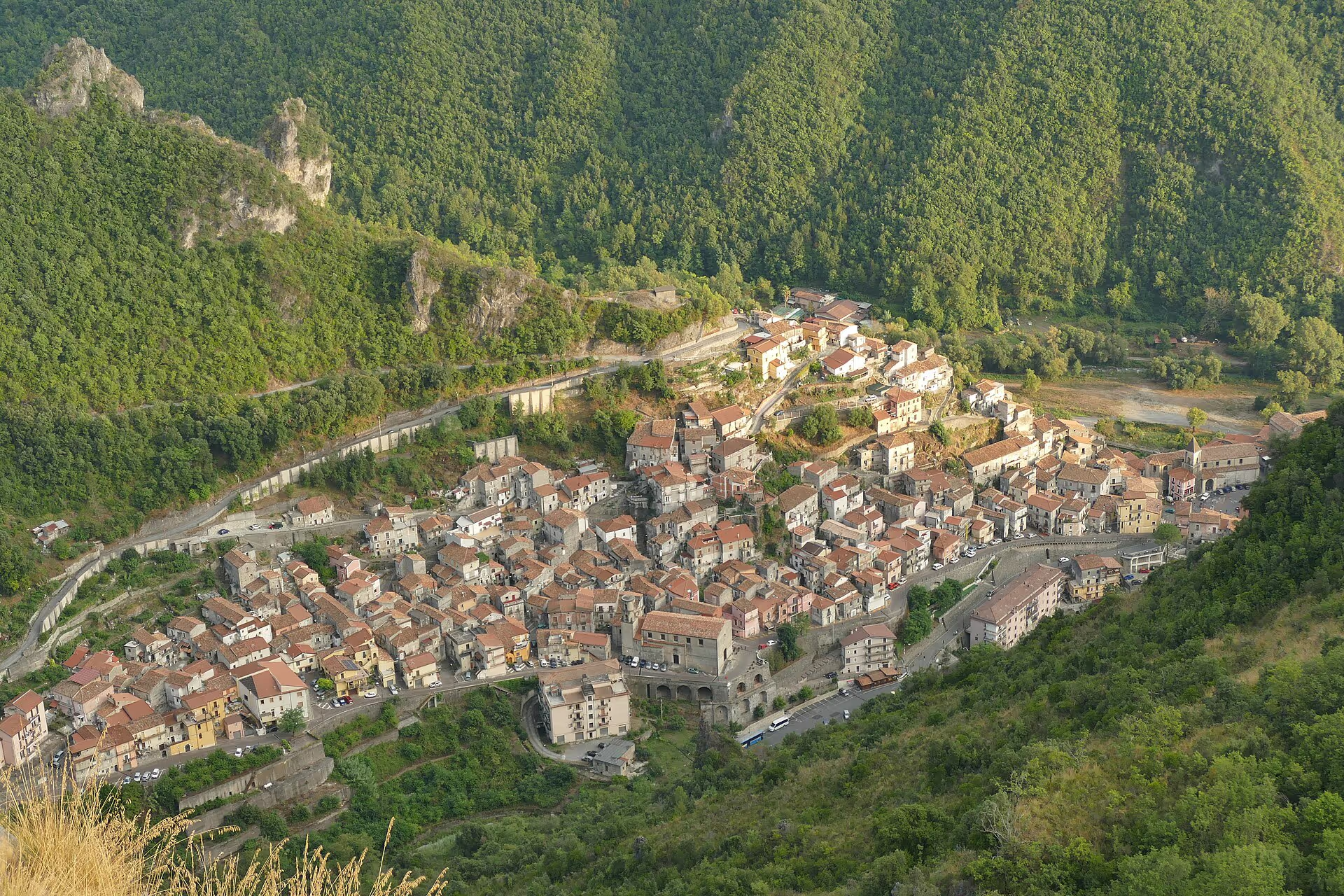
 The 10th-century Basilian chapel at Orsomarso, the only trace of the vanished settlement of Mercourion: single nave, semicircular apse, the monks’ masonry benches and a plaster Madonna.
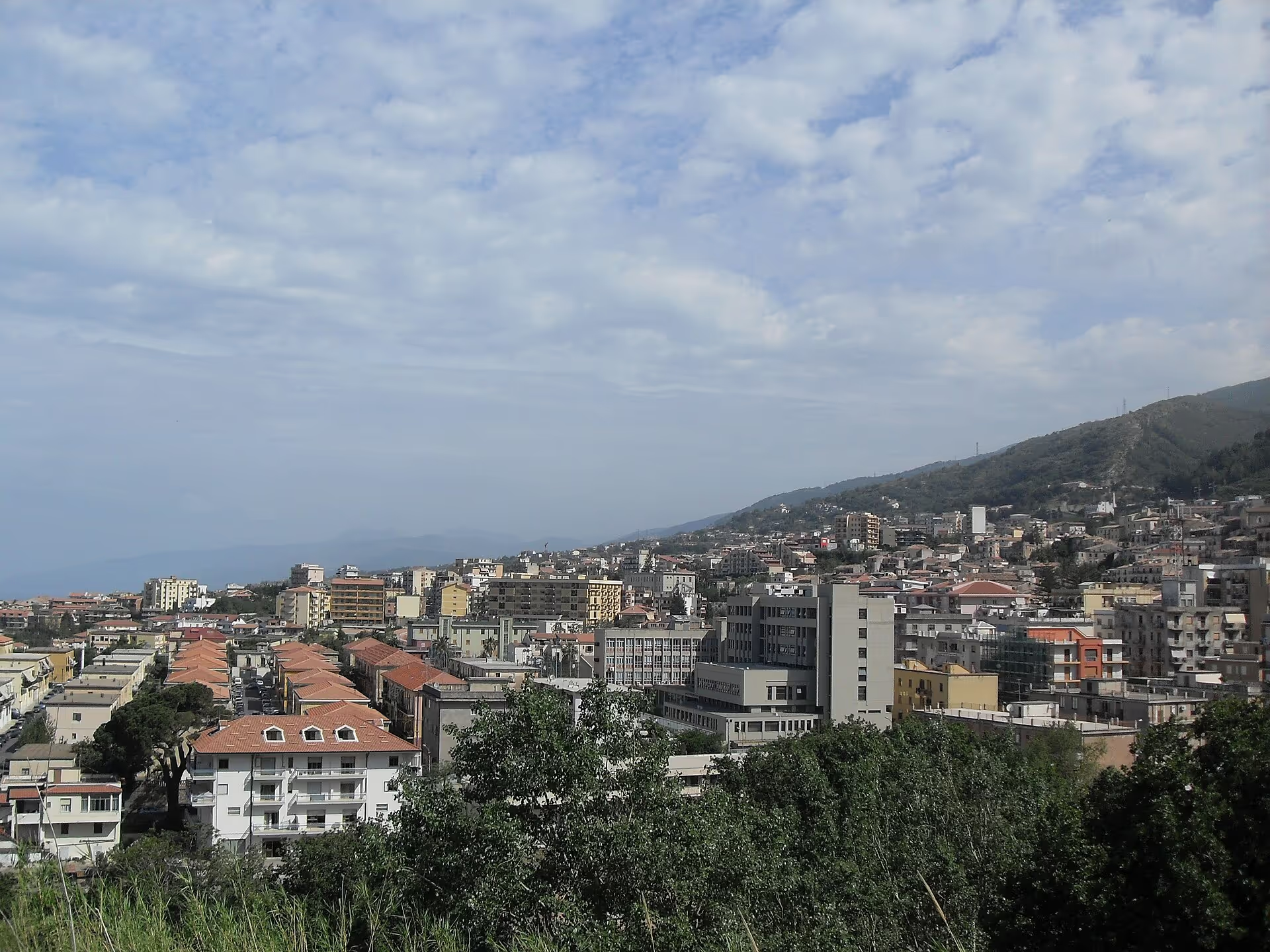 Paola
Paola Paola’s underground church, probably of the 9th–10th century, rediscovered in 1874 with its Byzantine frescoes and pilgrims’ graffiti.
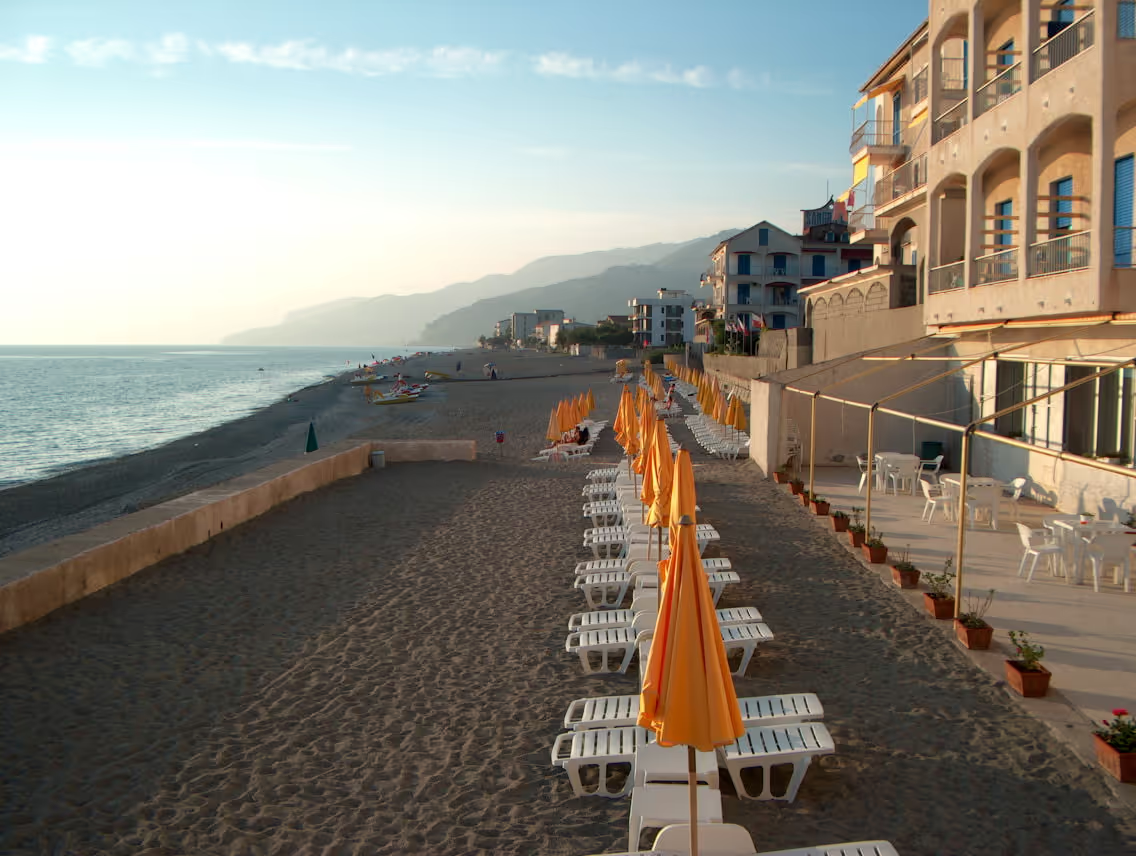 Fuscaldo
 The Archconfraternity’s church (1633) remade by Nicolò Ricciullo, with its 35-metre bell tower of twelve tuff columns carved by Fuscaldo’s stonemasons and Pascaletti’s Immaculate of 1748.
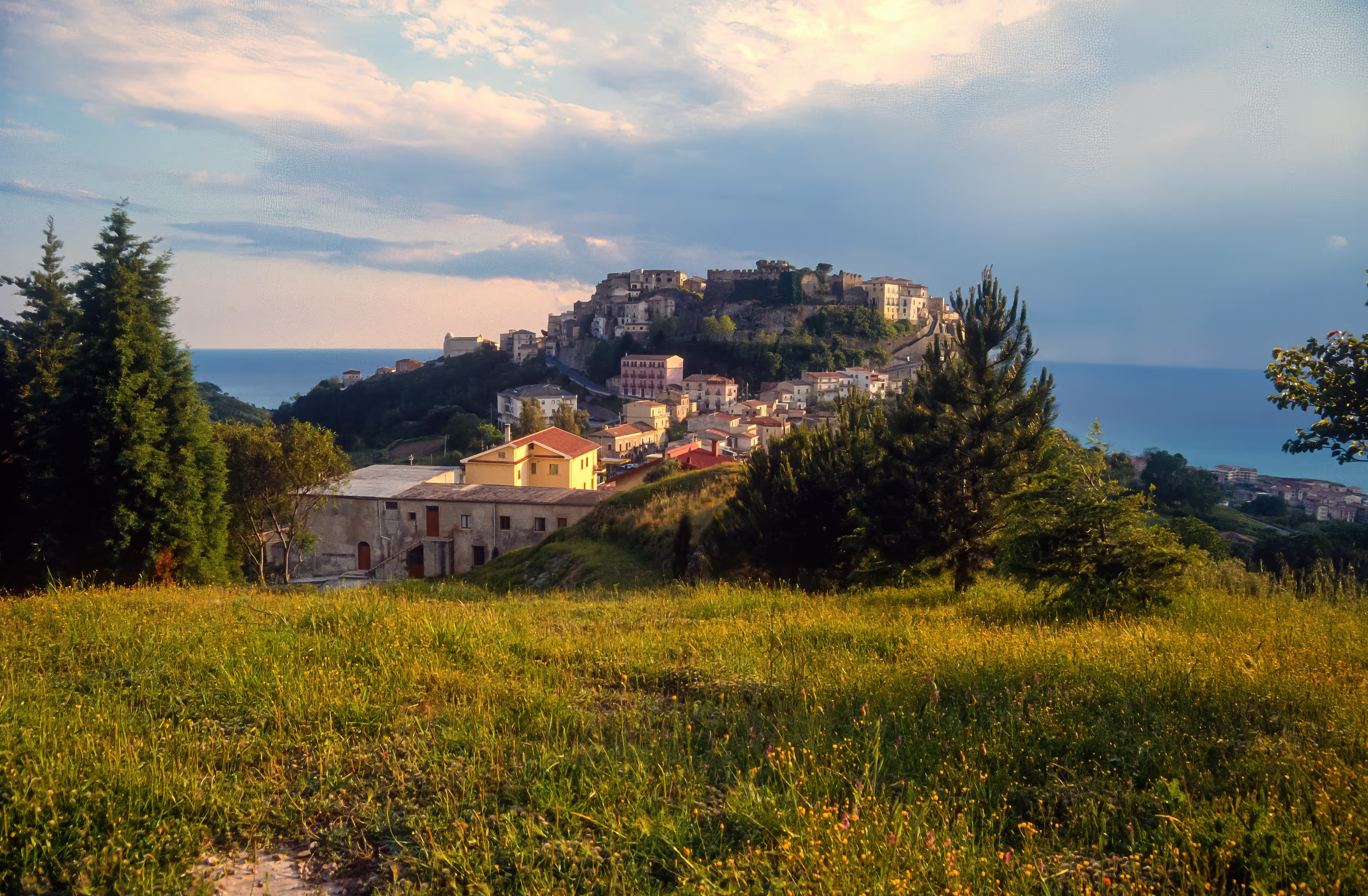 Belvedere Marittimo
 The small church of 1599 set against the village walls that houses the monumental wooden crucifix of 1711 conceived by Pietro Frasa.
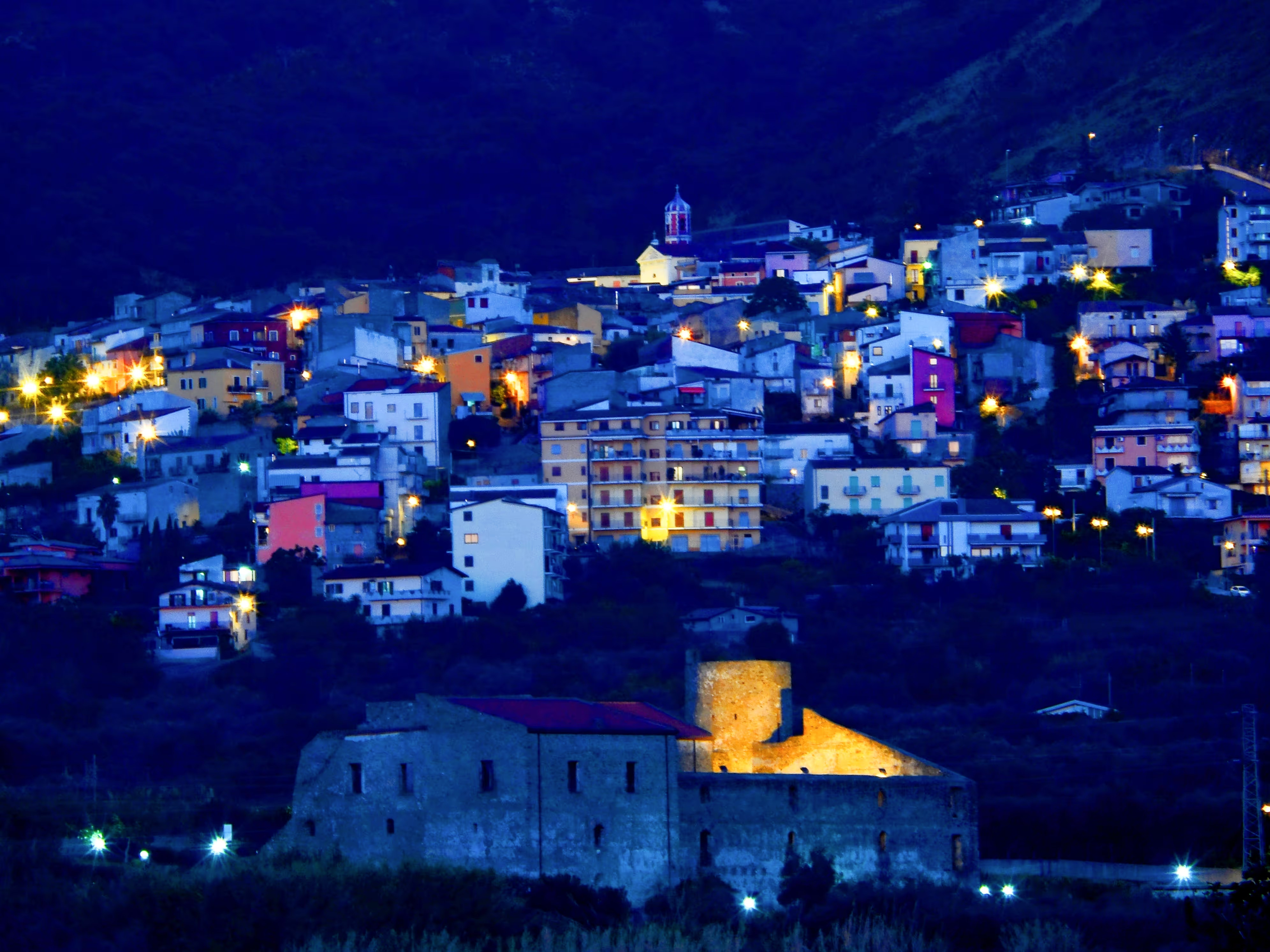 Santa Maria del Cedro
 The museum devoted to the Riviera’s citron, in the Sollazzo family’s 16th-century workshop: the citrus of candied fruit and of the Sukkot etrog.
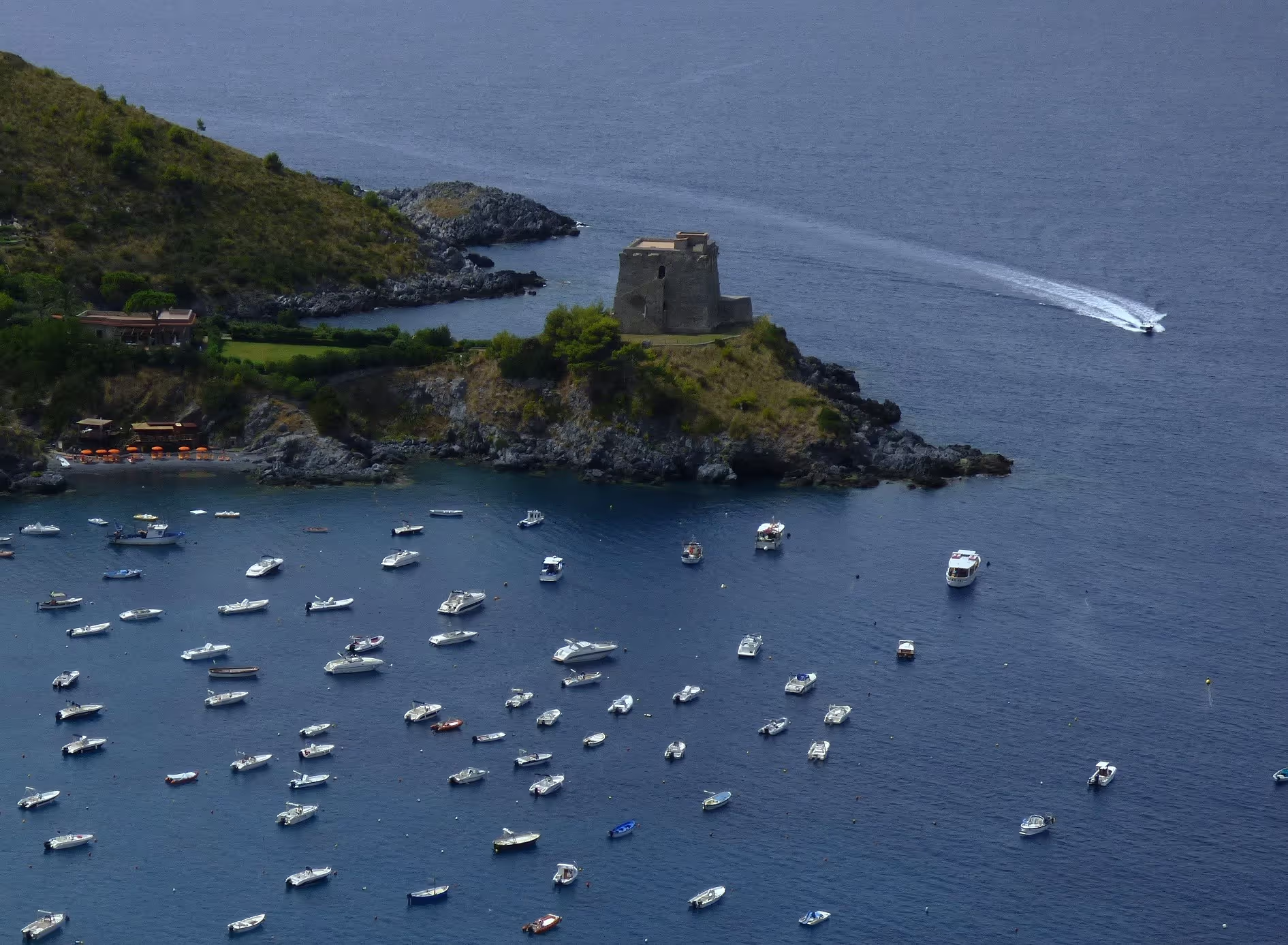 San Nicola Arcella
 The 15th-century tower on the headland of San Nicola Arcella, home of writer Francis Marion Crawford and setting of a vampire tale.
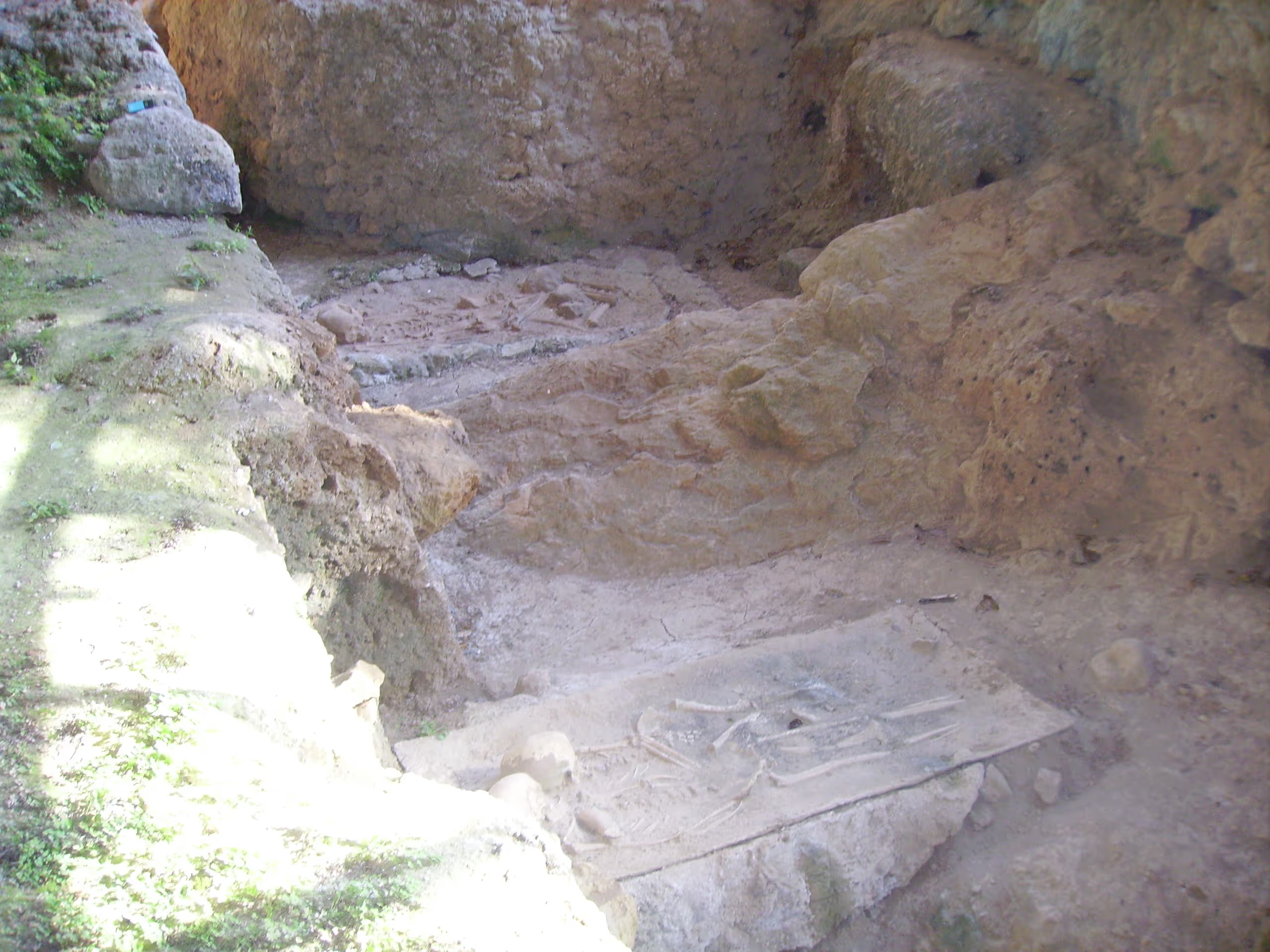 Papasidero
 Papasidero’s Palaeolithic site: the engraving of the great aurochs (14,000–12,000 years ago), nine Homo sapiens burials and 13,000 years of use from the Gravettian to the Neolithic.
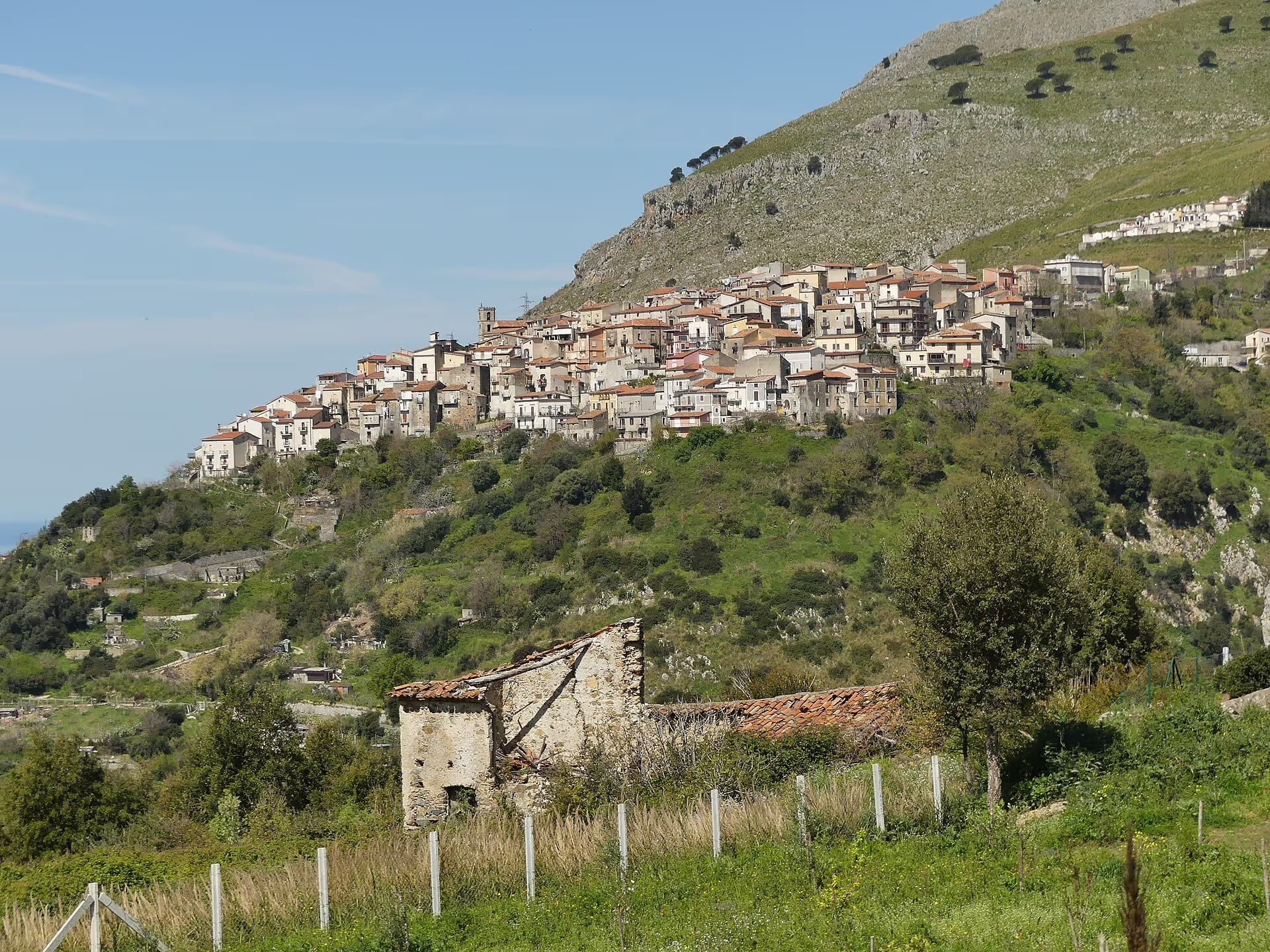 Santa Domenica Talao
 Santa Domenica Talao’s parish church of 1662, enlarged in 1701: two-arched loggia, sinuous stone staircase, Baroque stuccoes, a polychrome marble altar of 1774 and a small crypt.
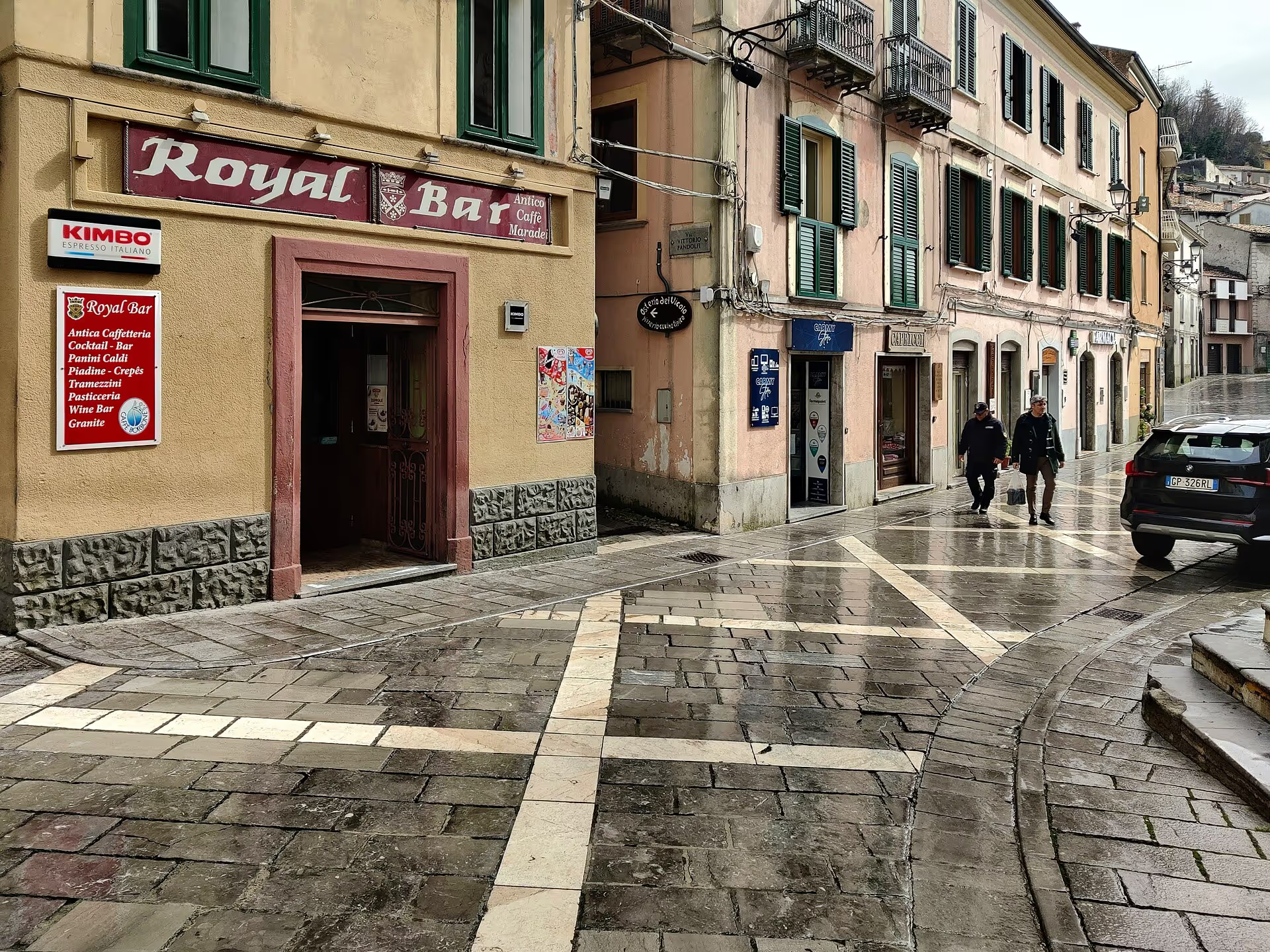 Mormanno
 Mormanno’s Neapolitan Baroque cathedral on Piazza Umberto I: built around 1700, consecrated in 1790, with Pietro Scardino’s tuff façade and the three portals of the confraternities.
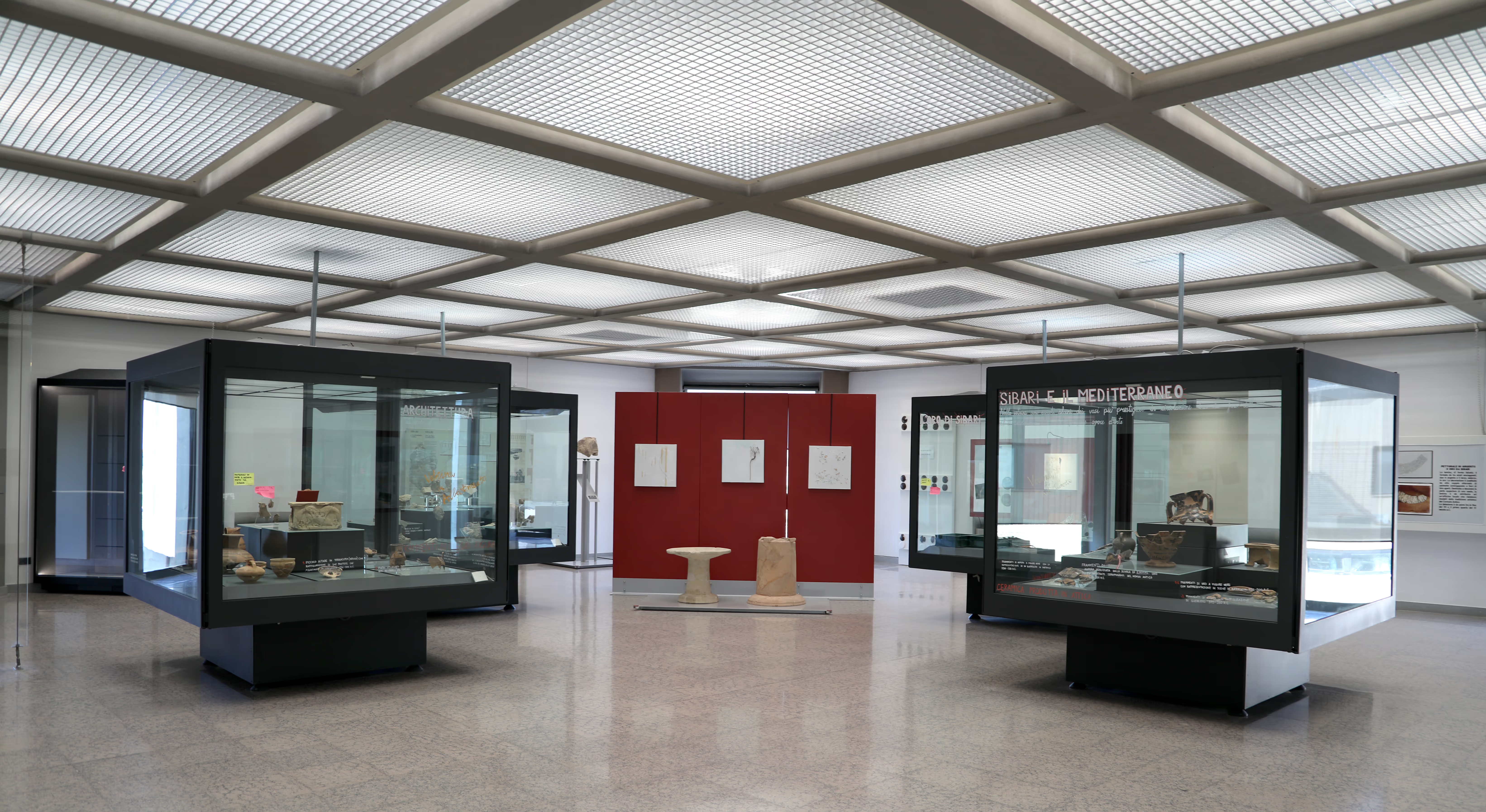 Tortora
 The old-town museum that tells of ancient settlement south of the Noce: the Oenotrian and Lucanian grave goods of San Brancato and the finds from Roman Blanda on the Palècastro.
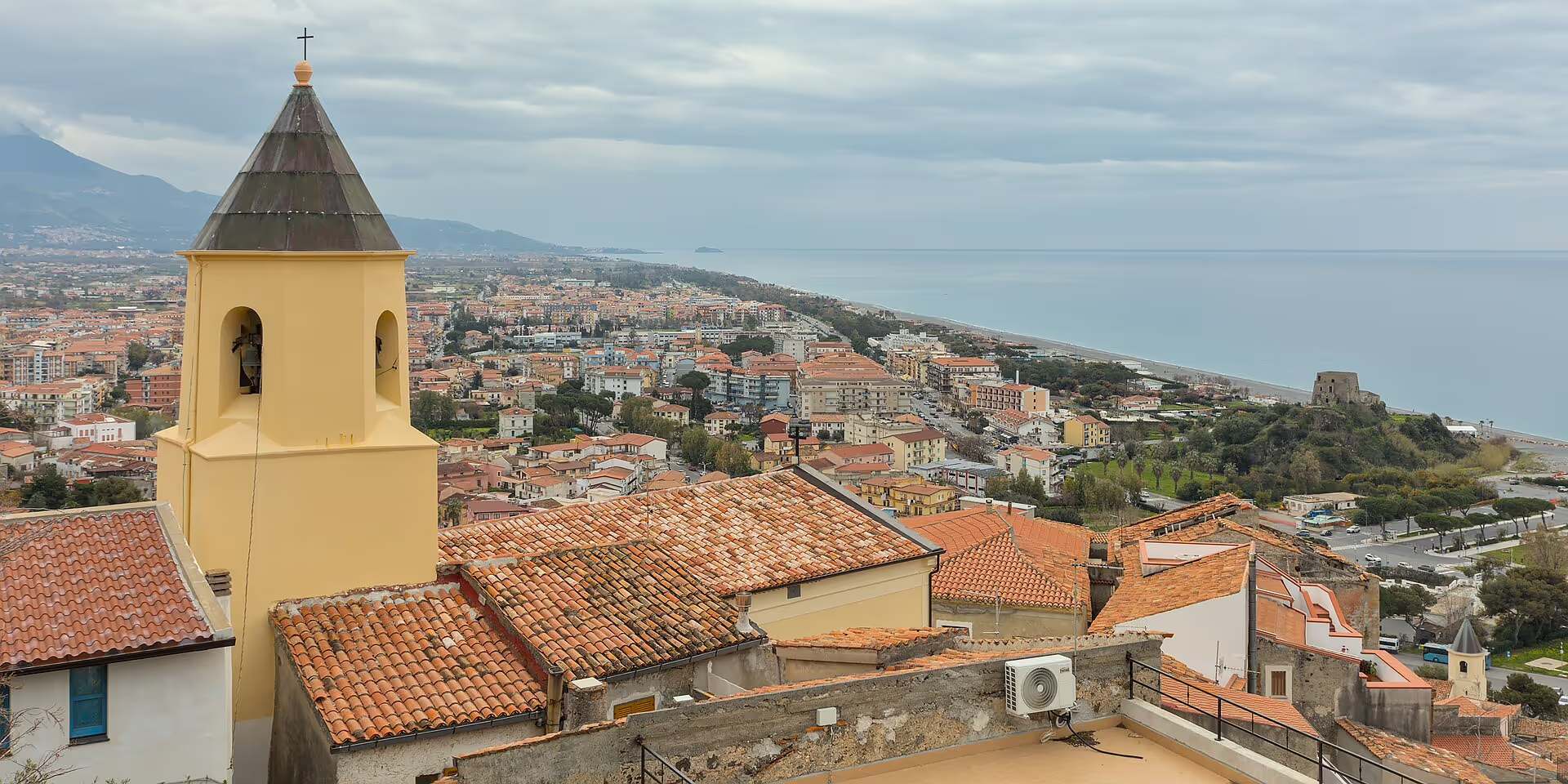 Scalea
 The castle ruins overlooking the old town of Scalea, offering a view over the coast and the Tyrrhenian Sea.
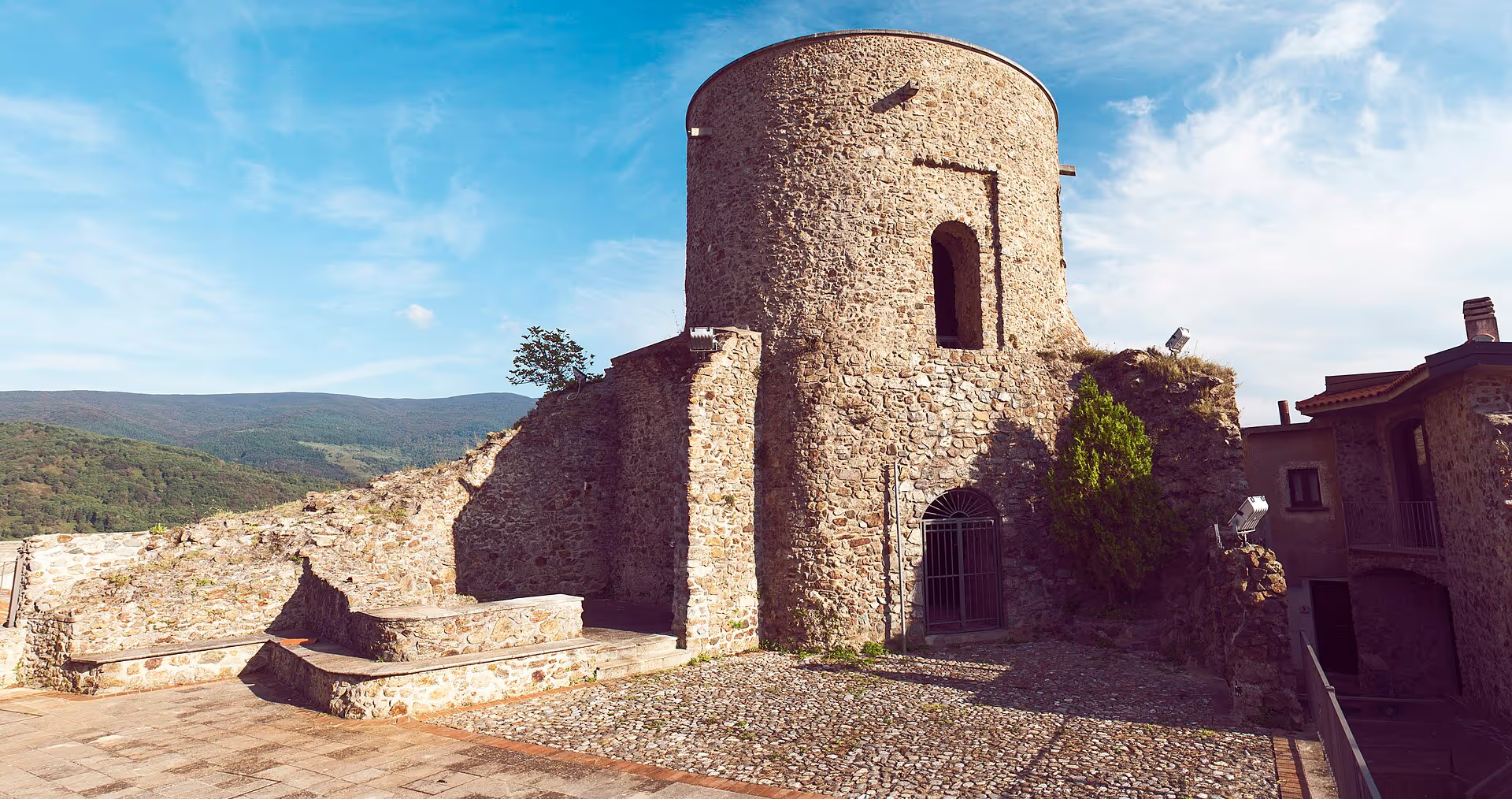 Guardia Piemontese
 The village’s main gate, the peephole doors and the Val Pellice Rock with its 118 names: the marks of the night of 5 June 1561 and of the Day of Remembrance.
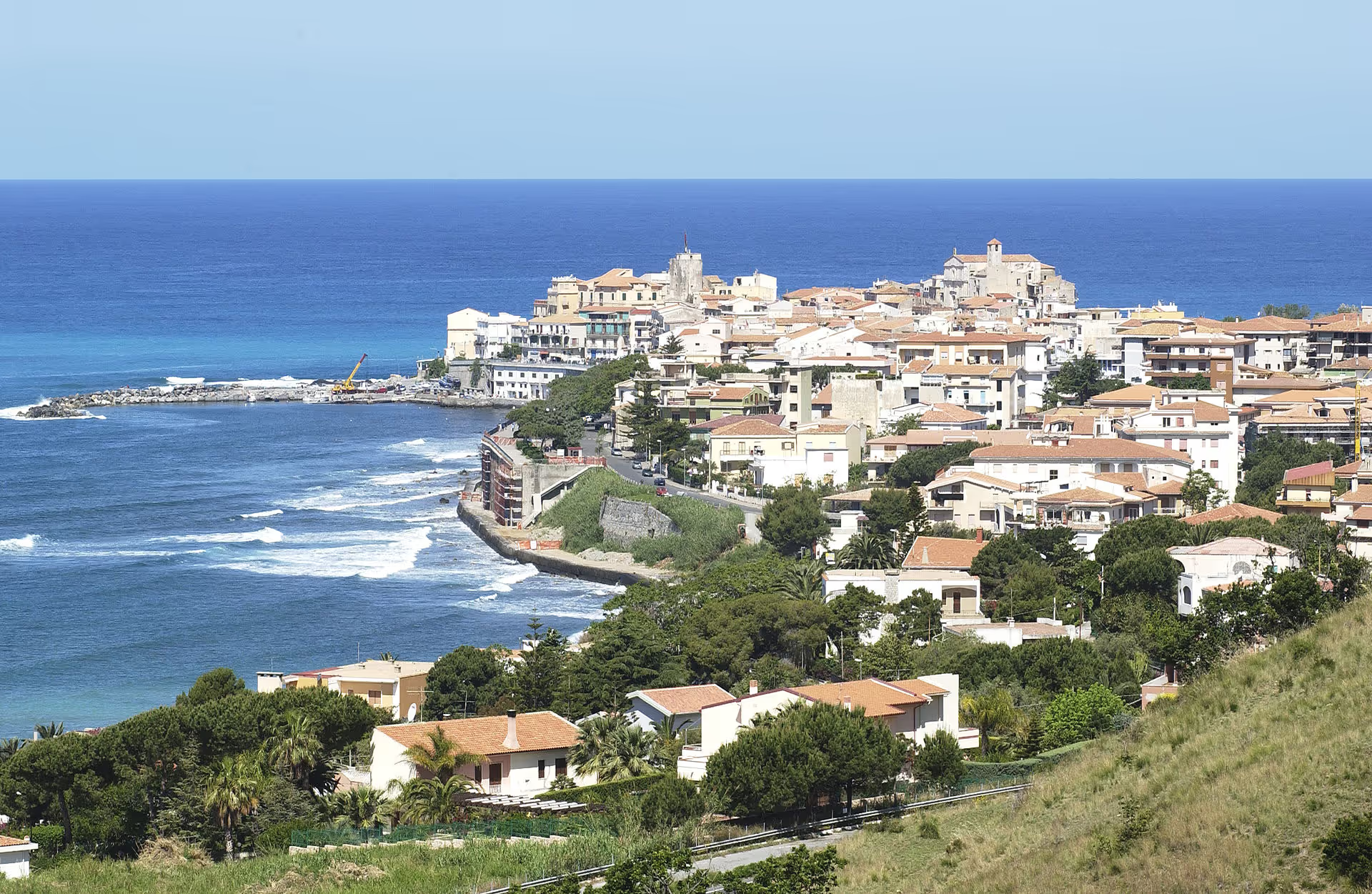 Diamante
 The abandoned medieval village on the hill of Cirella, with castle, Romanesque church, Monastery of the Minims and an open-air theatre.
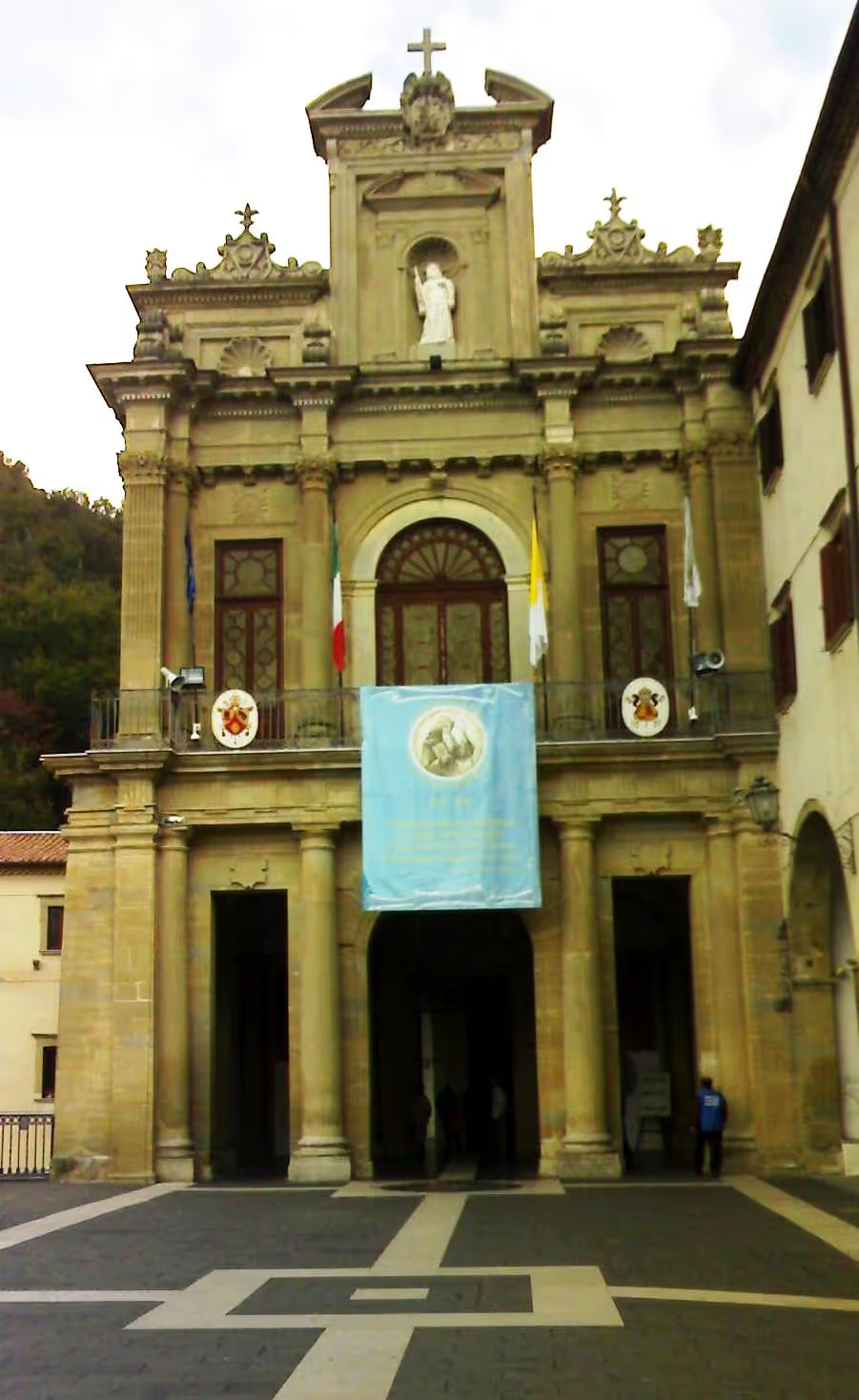 Paola
Paola The regional sanctuary of Calabria’s patron saint, in the Isca valley: old basilica, 1436 hermitage, Via dei Miracoli and the new basilica of 2000.
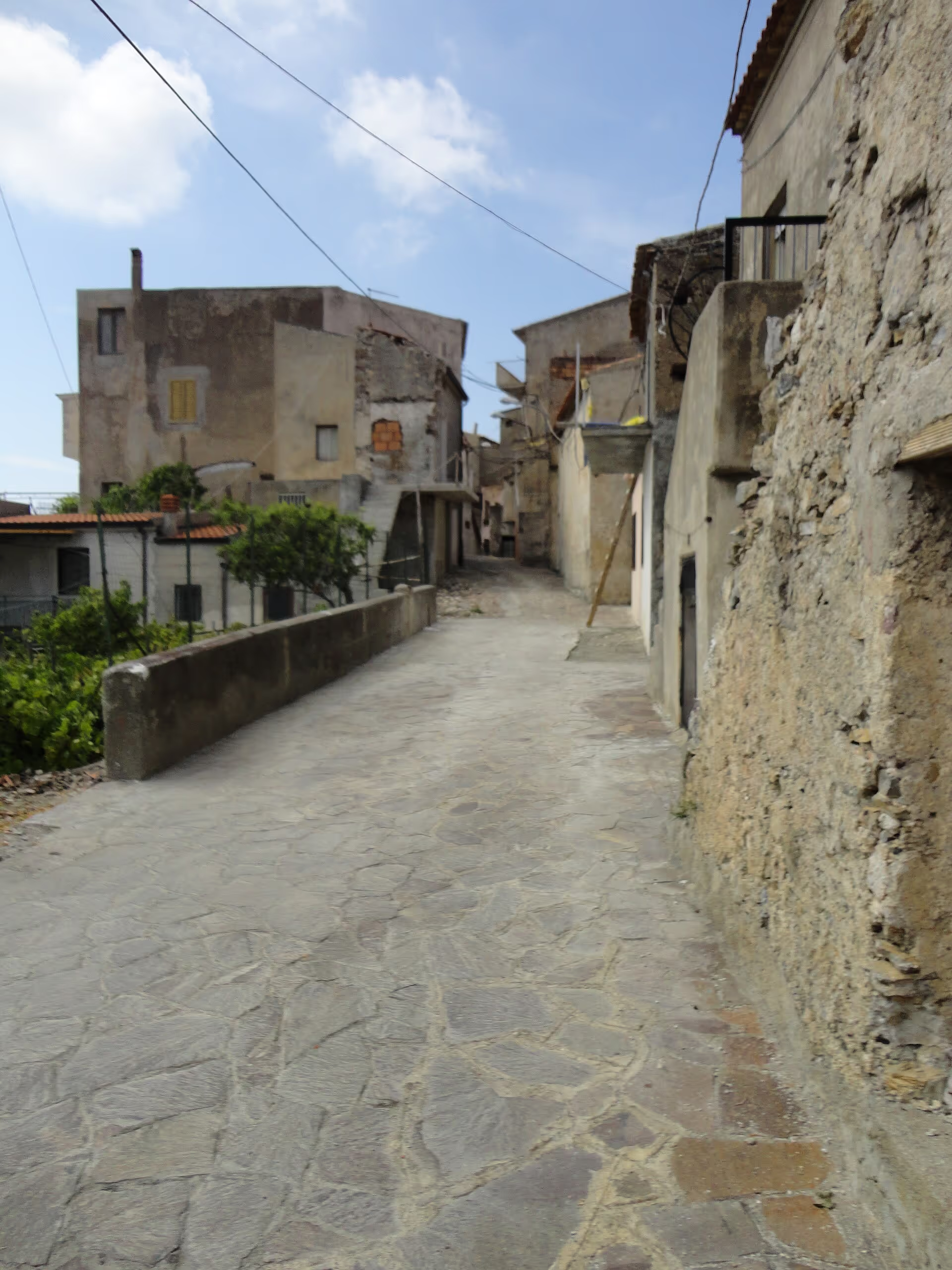 Grisolia
 The sanctuary in the upper part of Grisolia, a pilgrimage destination in August: on 15 and 16 August the San Rocco procession, with women carrying caggie of candles, flowers and ribbons on their heads.
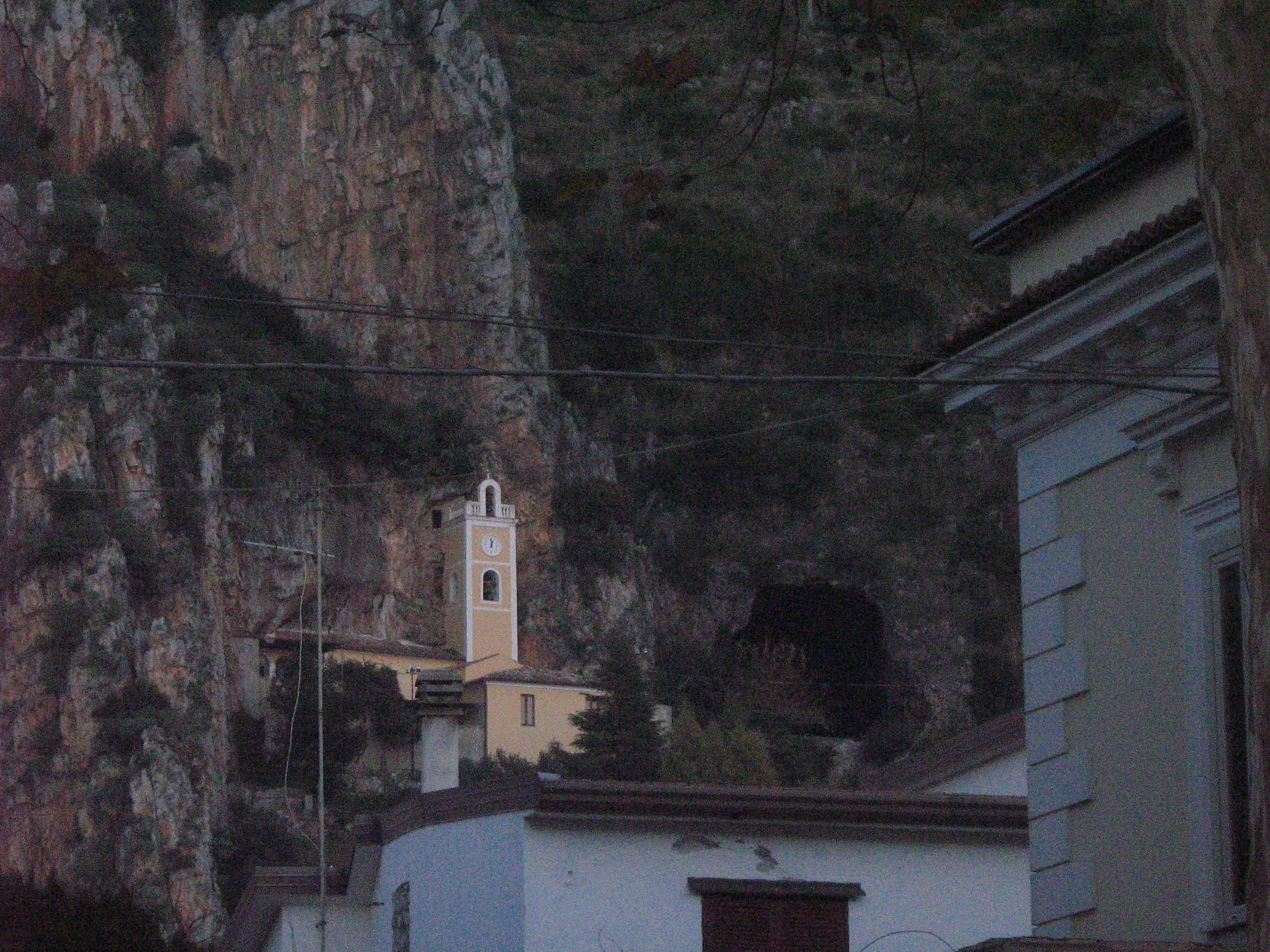 Praia a Mare
 The rock sanctuary of Praia a Mare, in a hillside cave, with the wooden statue of the Madonna that tradition says came from the sea in 1326.
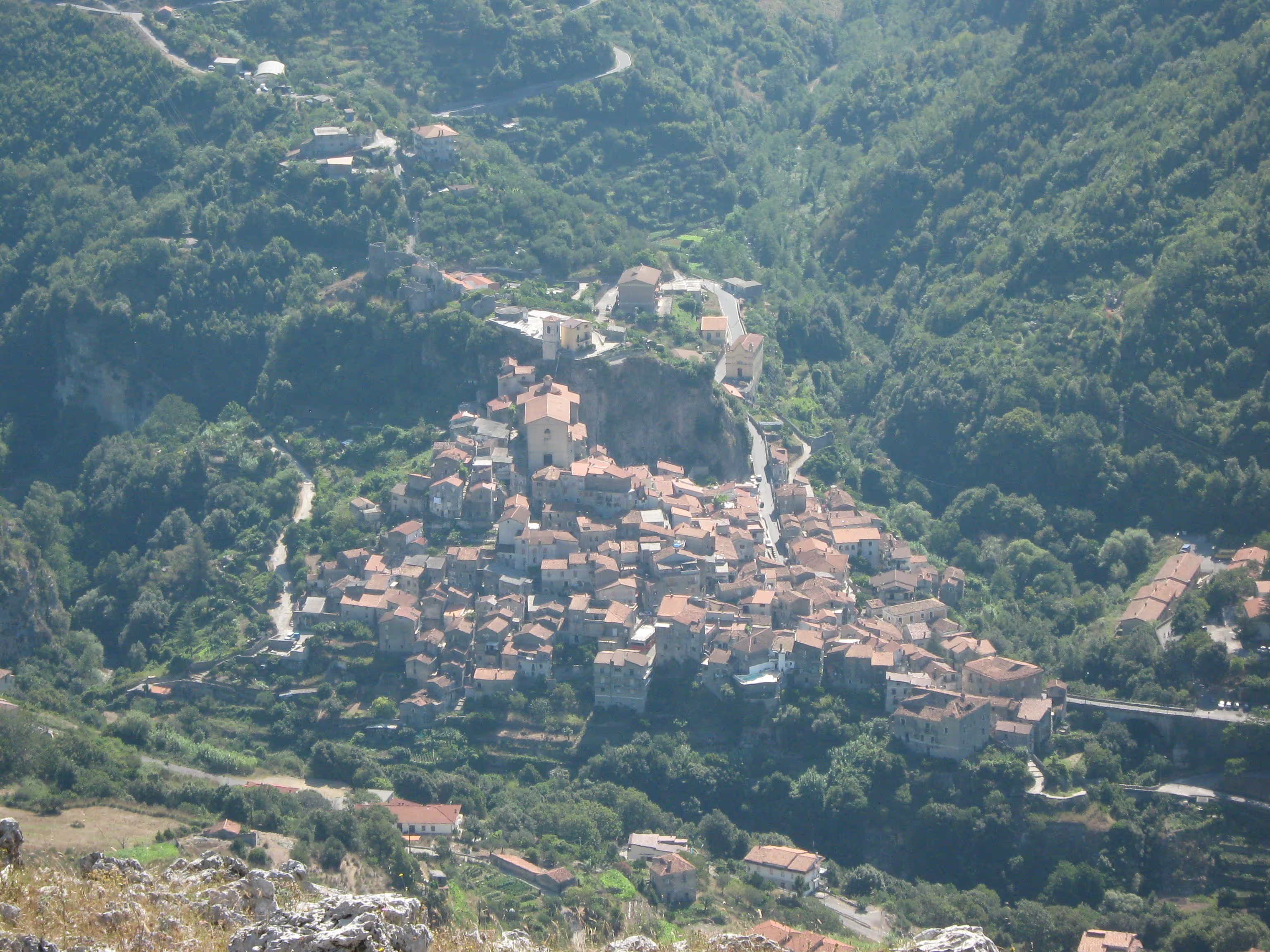 Papasidero
 The 17th–18th-century sanctuary dedicated to Papasidero’s patron saint, Our Lady of Constantinople, celebrated on the Tuesday after Pentecost.
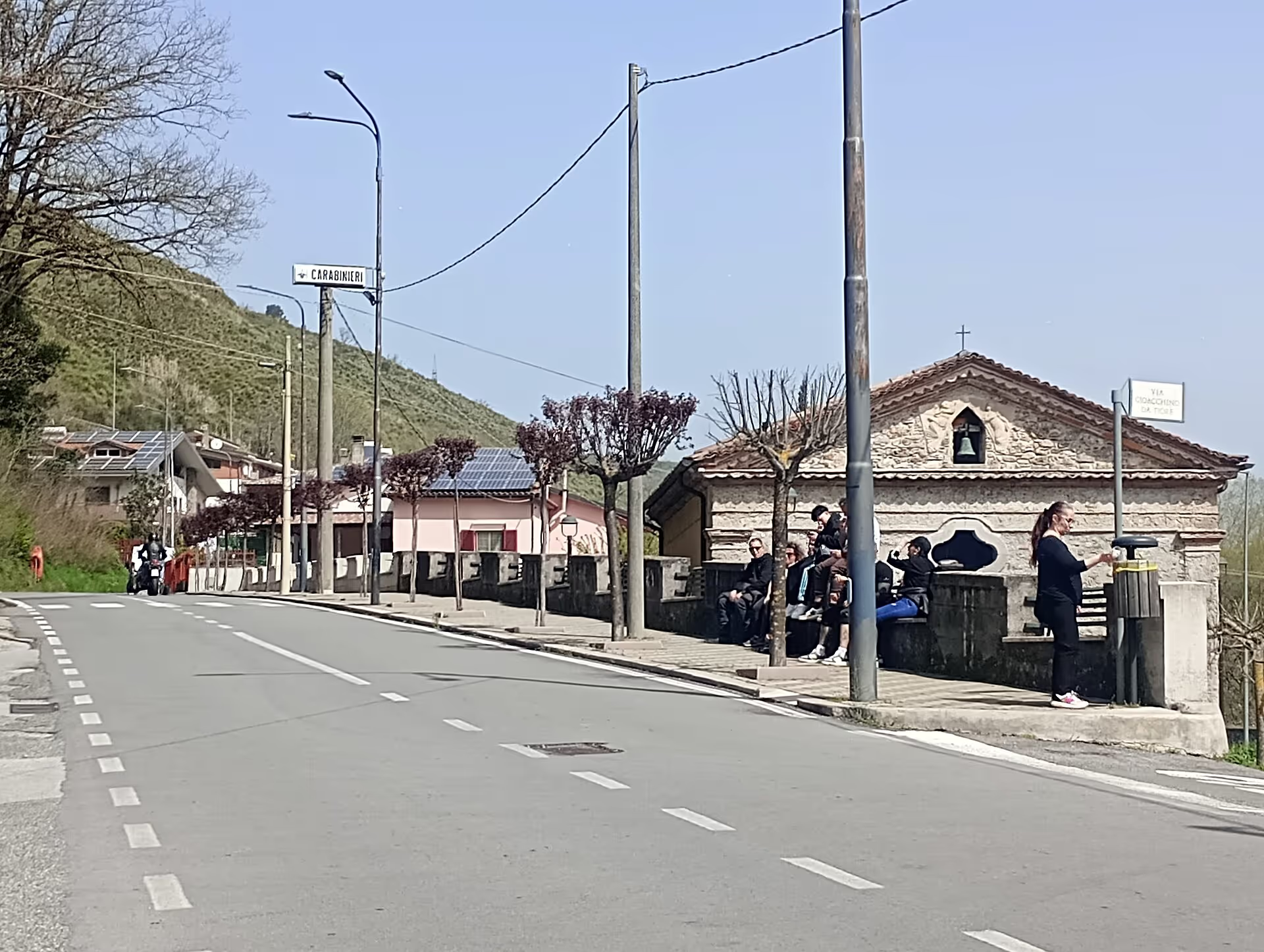 Laino Borgo
 The Sacred Mount of the Madonna dello Spasimo, 2 km from Laino Borgo: frescoed chapels recalling the places of the Holy Land, begun in 1557 by the pilgrim Domenico Longo, and the feast on the third Sunday of September.
Paola The monumental sandstone fountain at the foot of Paola’s stairway: a 15th-century trough, a basin of 1636 and the peacock symbol of the town.
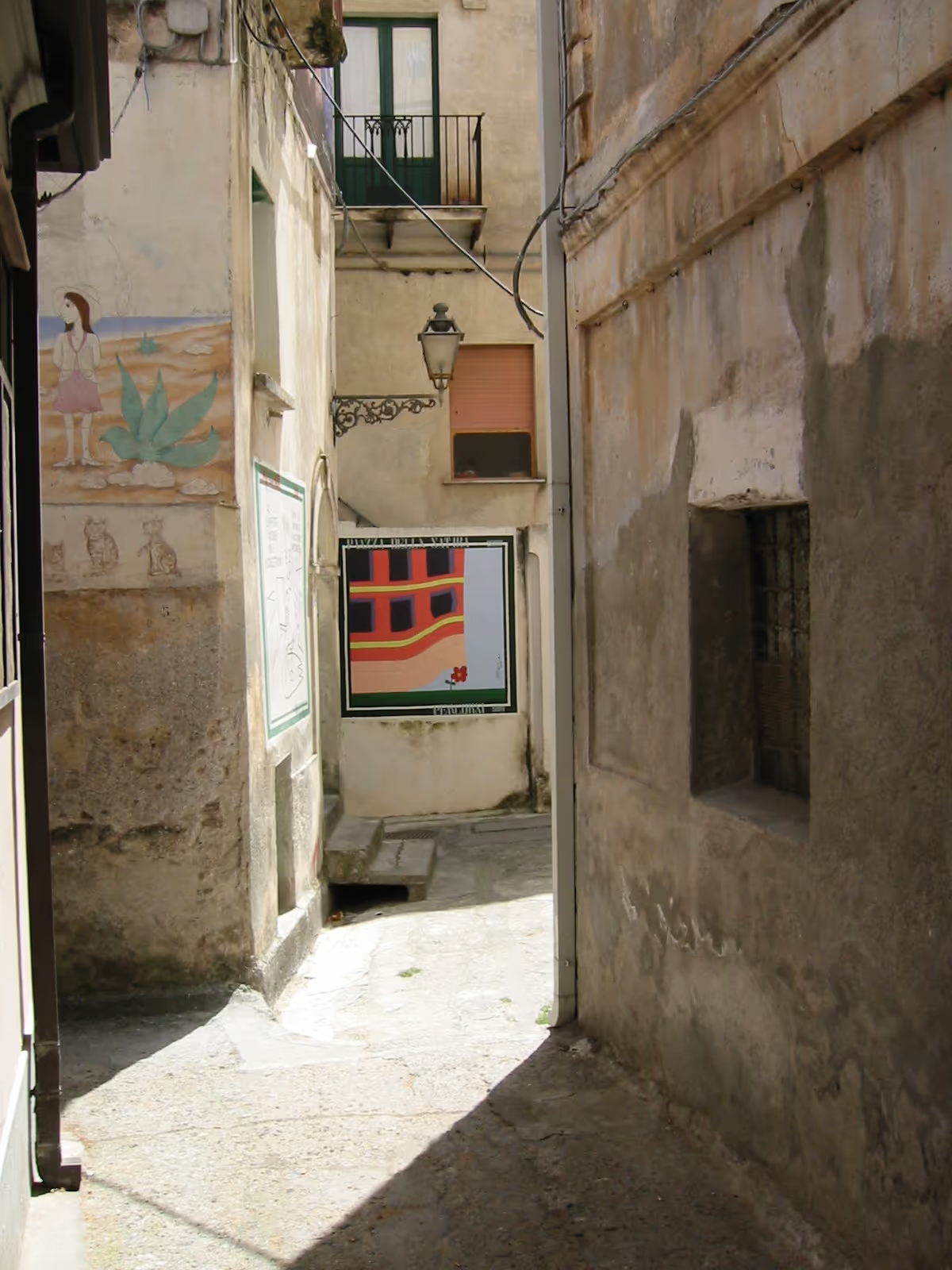 Diamante
 The wall paintings that since 1981 have turned the alleys of Diamante and Cirella into an open-air gallery.
Diamante The 16th-century tower overlooking Diamante’s old town, today a museum and information point.
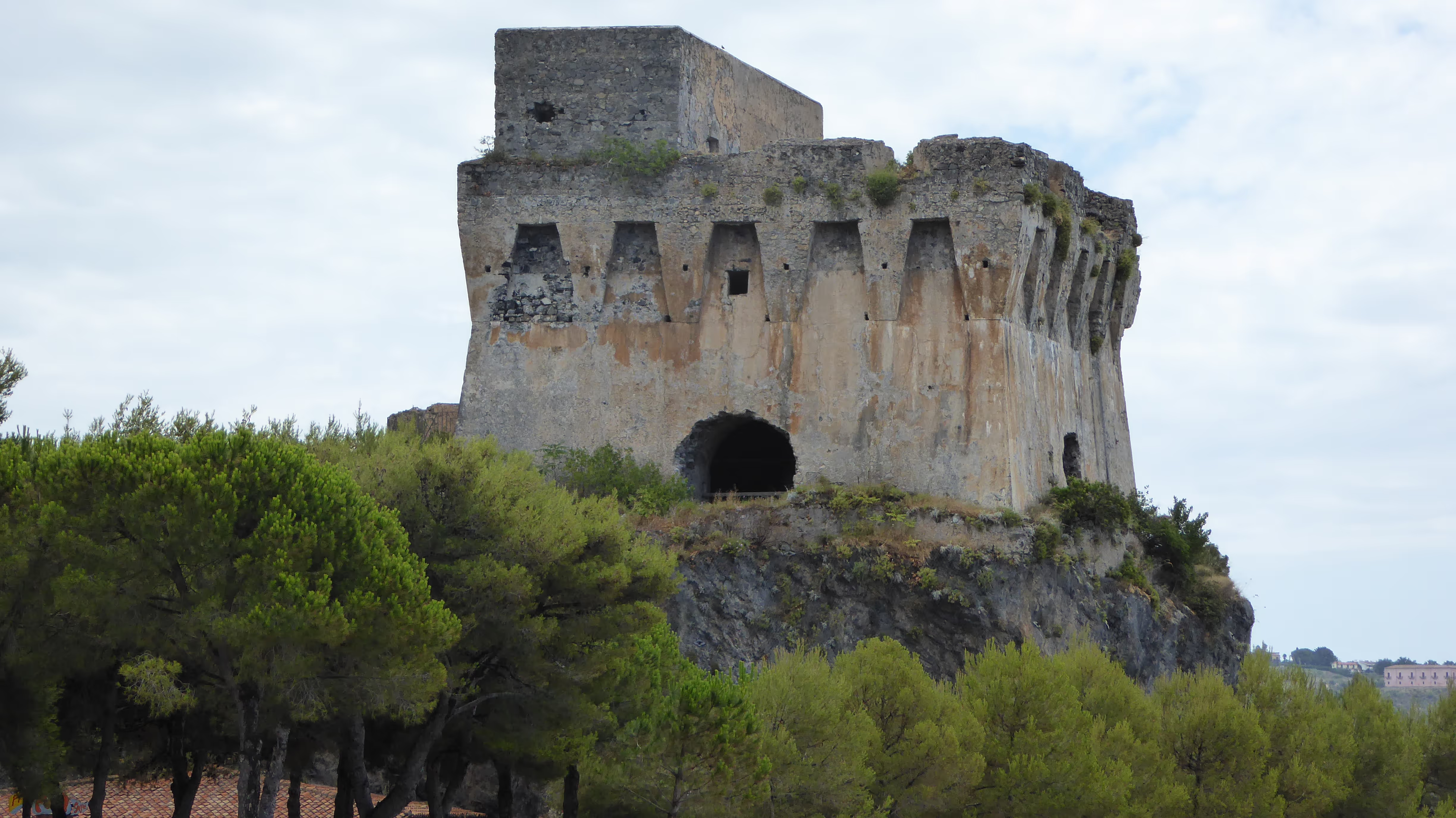 Praia a Mare
 The coastal tower on a 15-metre sea stack at Praia a Mare, facing the island of Dino, heir to an Angevin tower.
 Bonifati
 Five centuries of towers in Bonifati: the Torre del Capo (12th century), the Torre Parise (15th), the Torre di Fella and the Torre di Porta Malvitana (16th) and the vanished Torre del Telegrafo, which named a district of Cittadella del Capo.
Mormanno The 1928 regional monument on Monte San Michele in Mormanno: a mountain lighthouse in memory of the Calabrians who fell in the Great War, with relics of the 11 gold medals and the Remembrance Park.
Guardia Piemontese The two museums that explain Guardia Piemontese: the history of Calabria’s Waldensians in the “Gian Luigi Pascale” cultural centre and Occitan culture in video and documents in the municipal museum.
4 daysFour days from north to south along the Upper Tyrrhenian Cosentino coast: islands, Norman towns, murals and sanctuaries.
2 daysTwo days among citron, chilli pepper and harbour: the typical products of the Upper Tyrrhenian Cosentino coast.
3 daysThree days among citron, old towns and harbour: a journey through the flavours of the Upper Tyrrhenian Cosentino coast.
 3 days
Three days among spa, Palaeolithic cave and mountains of the Pollino National Park.